
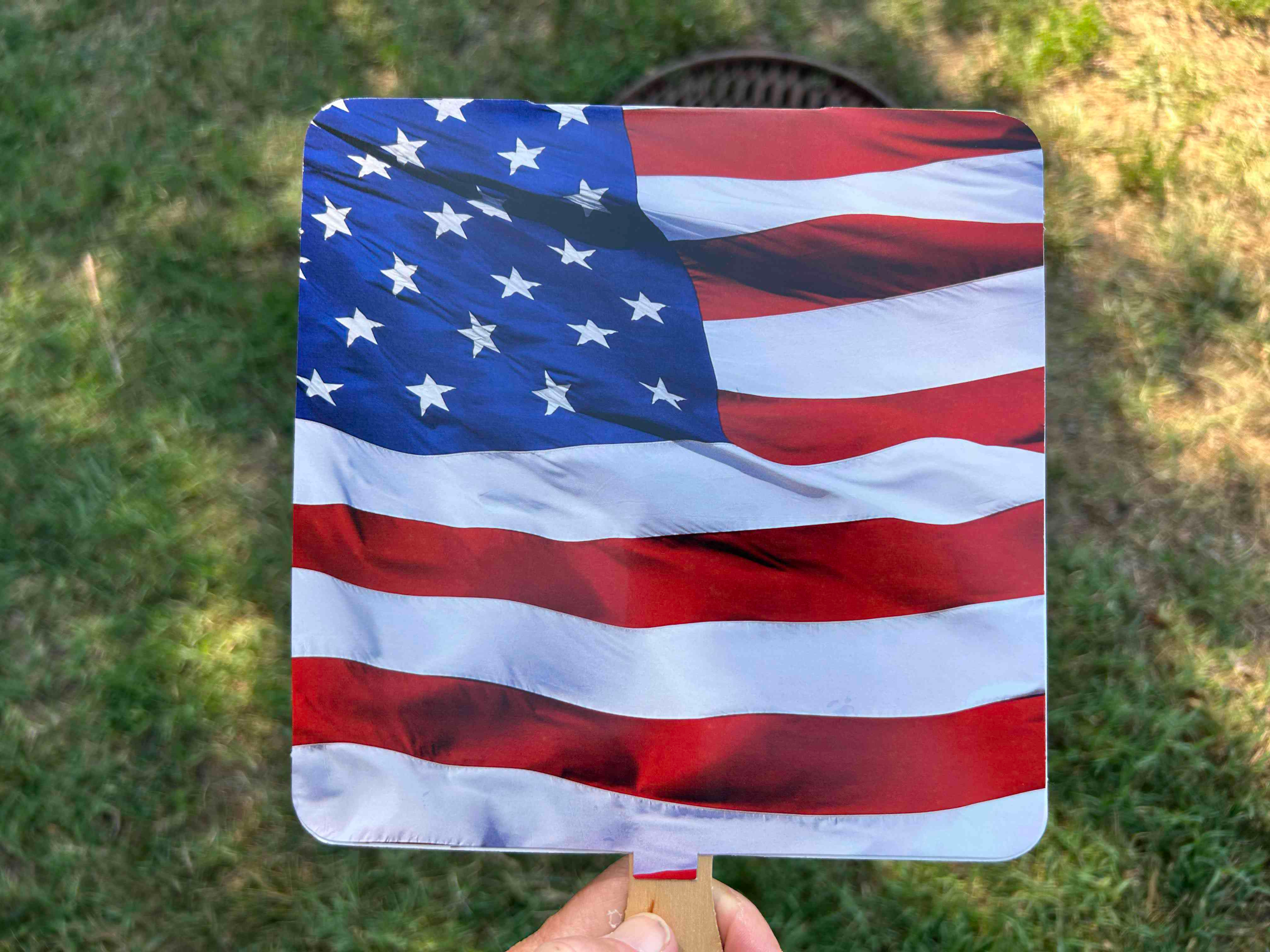
Saturday, July 4, 2026: We returned to Mount Vernon for the Fourth of July. Thankfully, they were handing out fans.
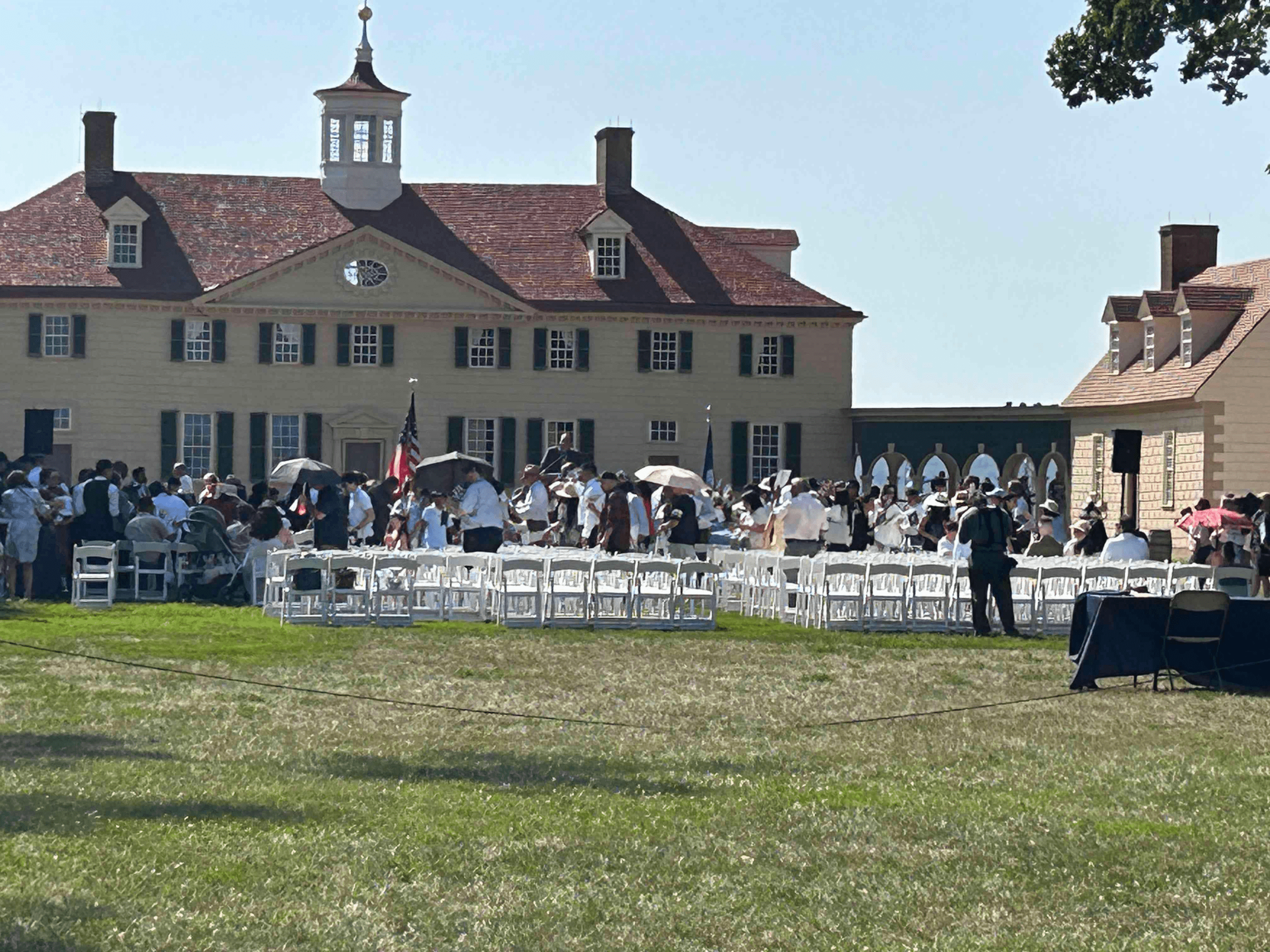
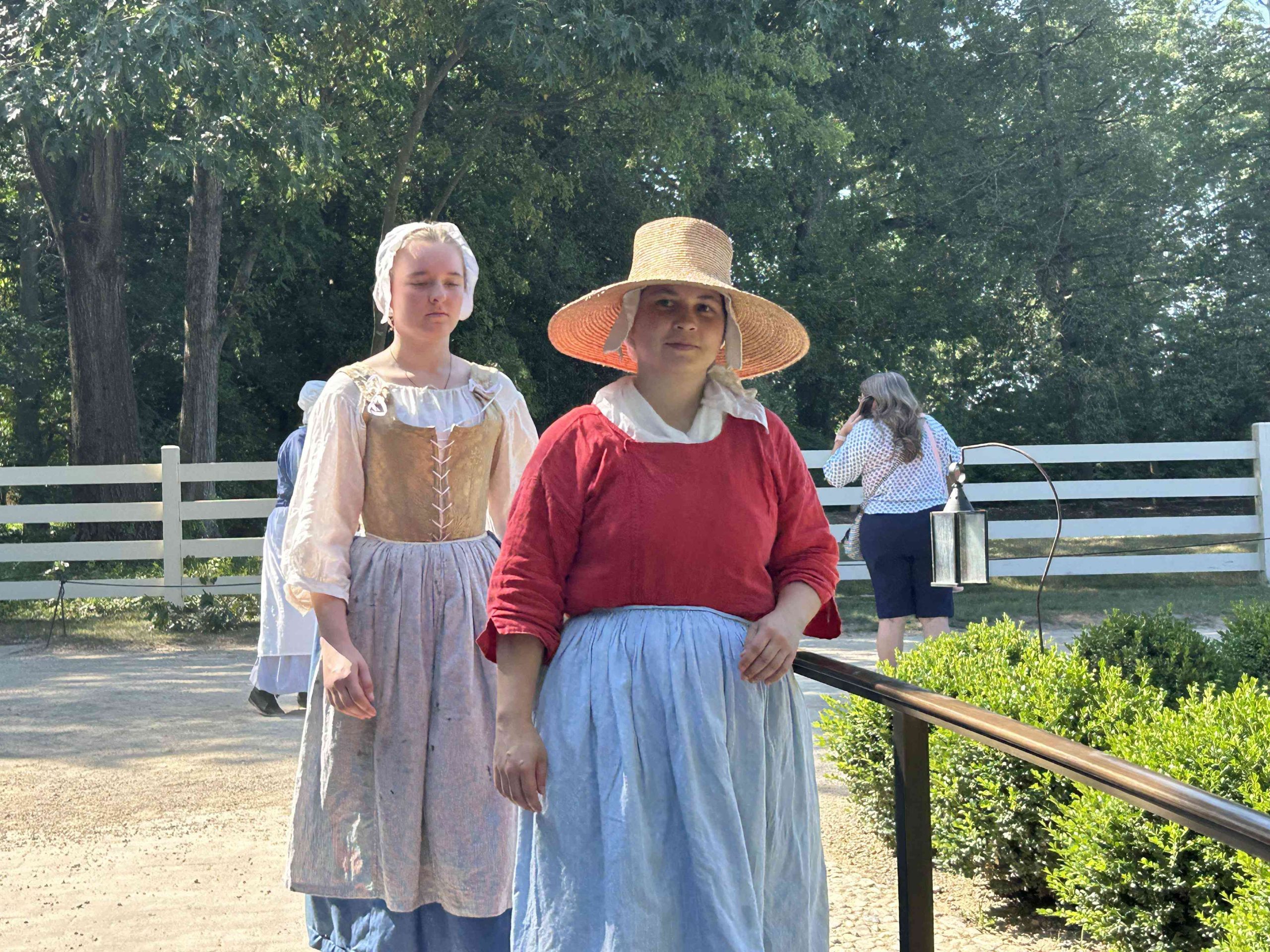
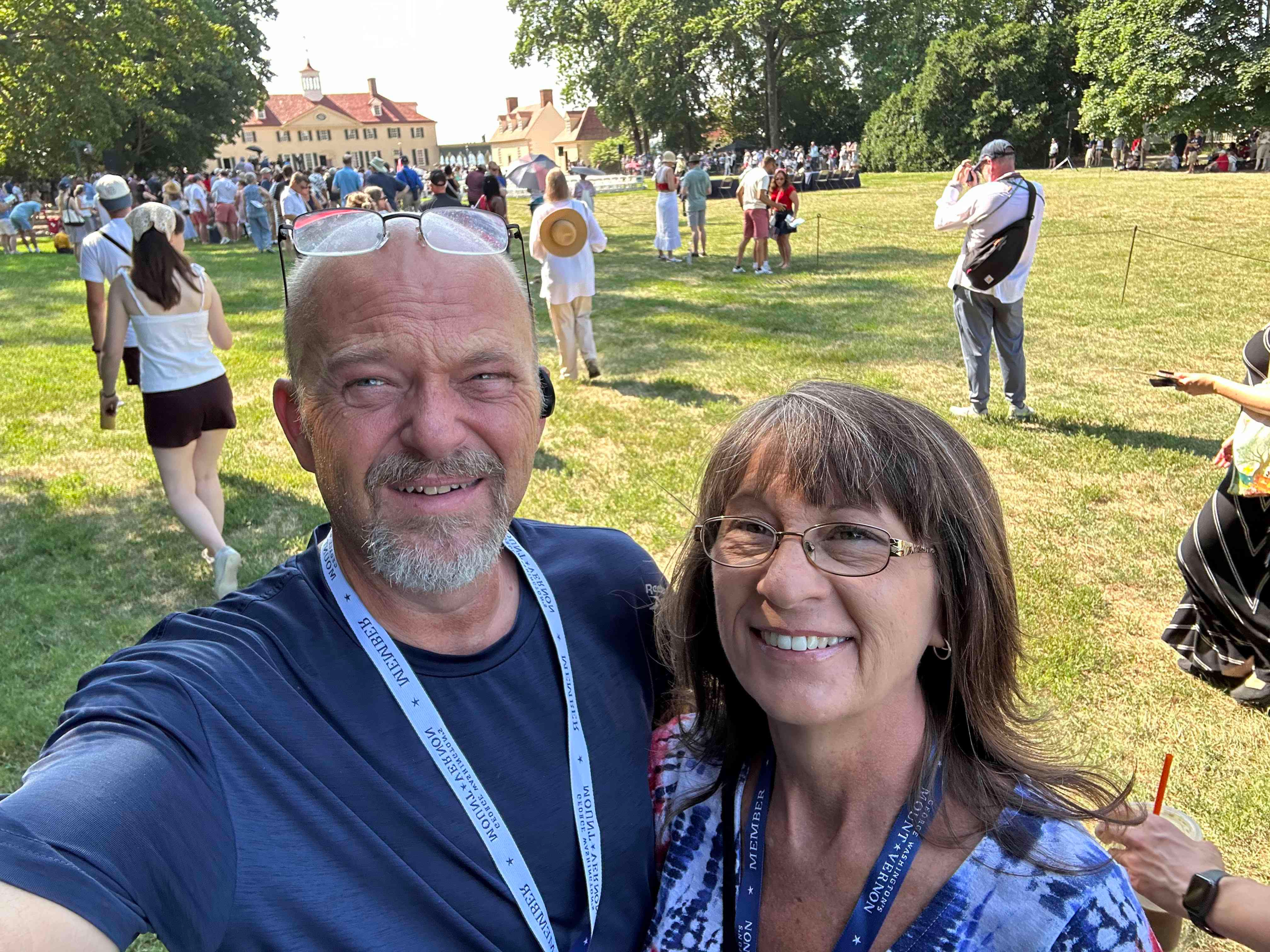
At 10:00 that morning, they held a naturalization ceremony where about 150 people became new United States citizens. It was emotional to watch and felt especially fitting on July 4th during the America250 celebration.
Standing there at Mount Vernon, watching new citizens take that step on Independence Day, was one of those moments that felt bigger than a regular sightseeing stop.
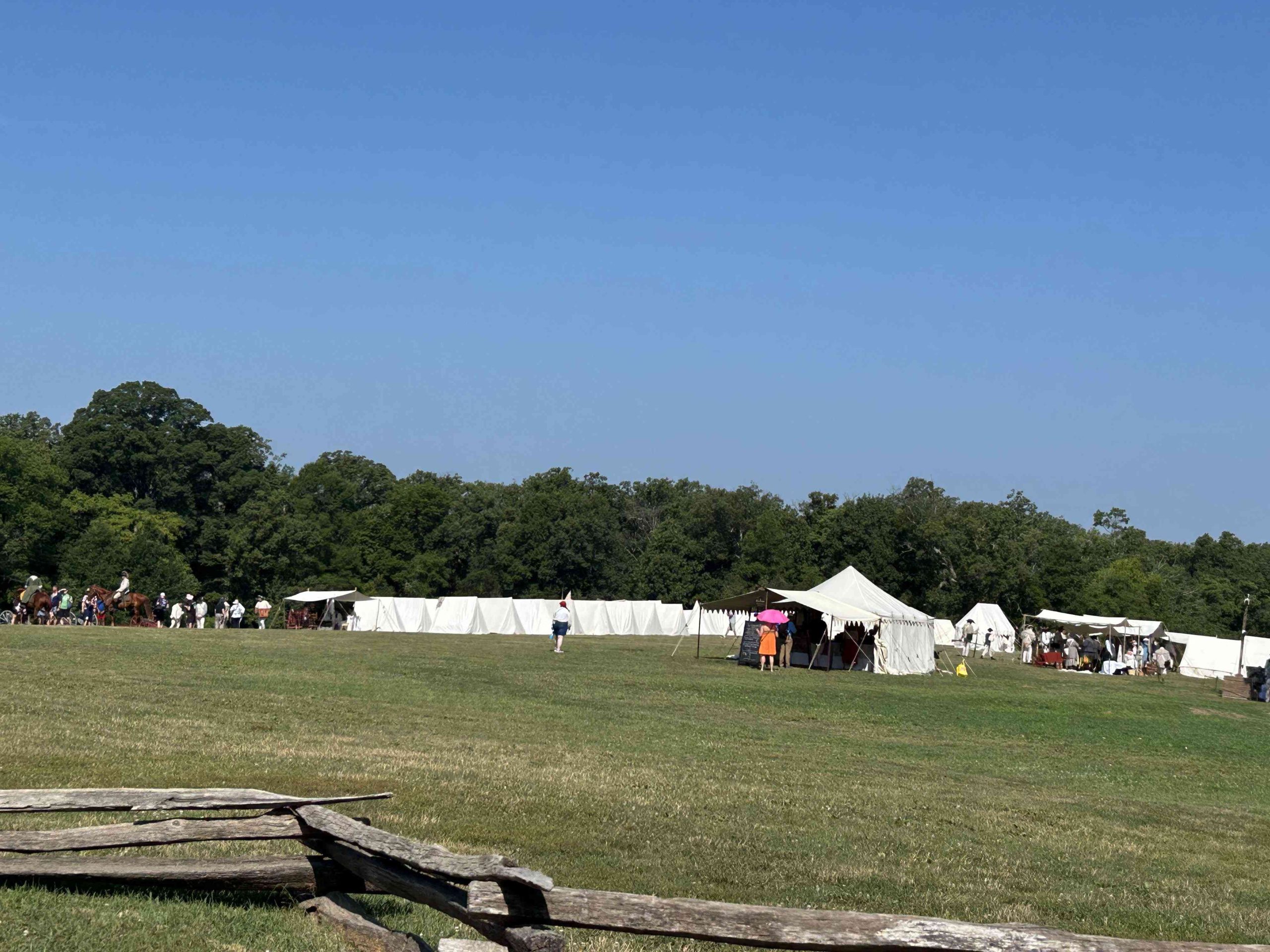
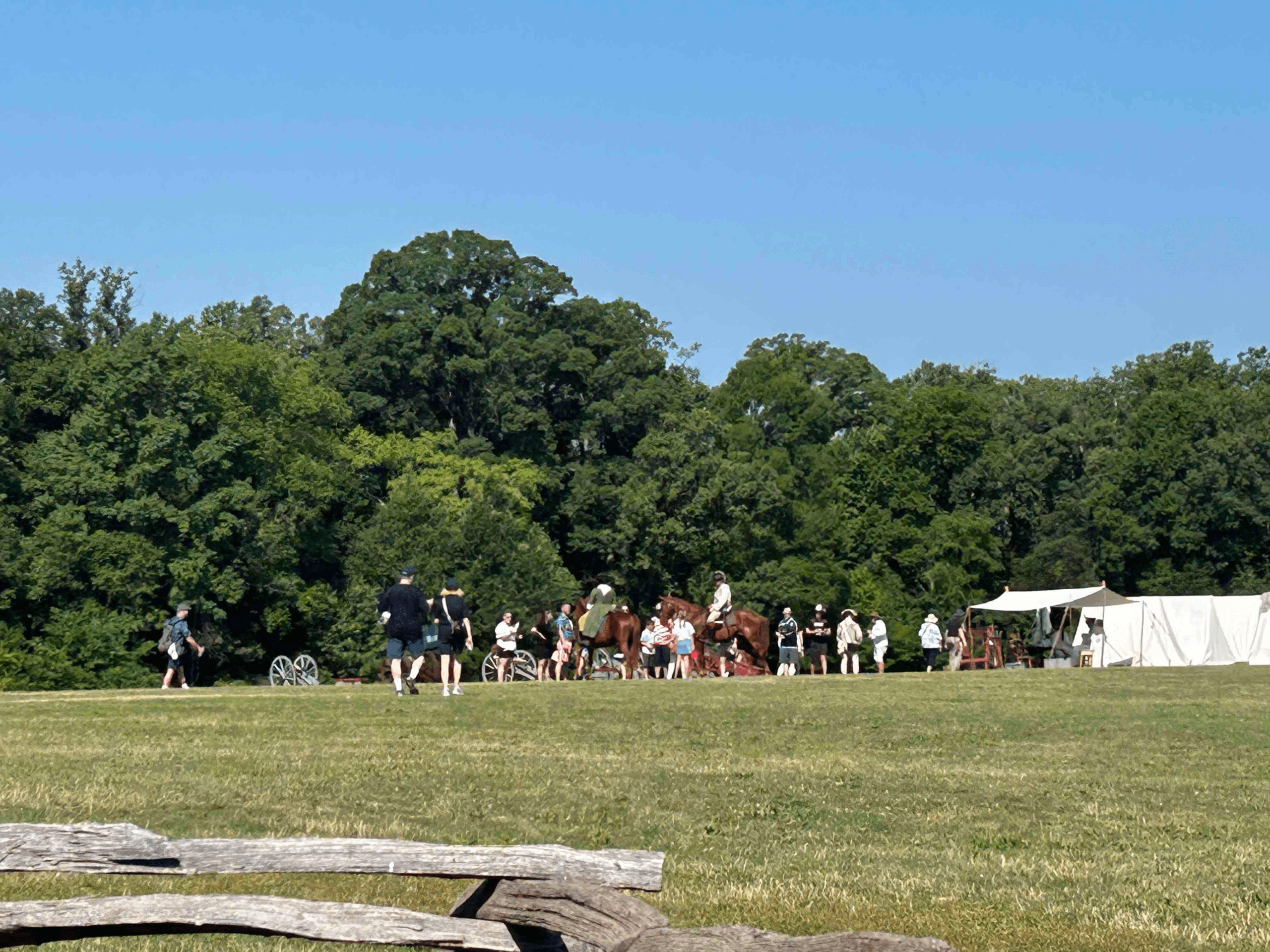
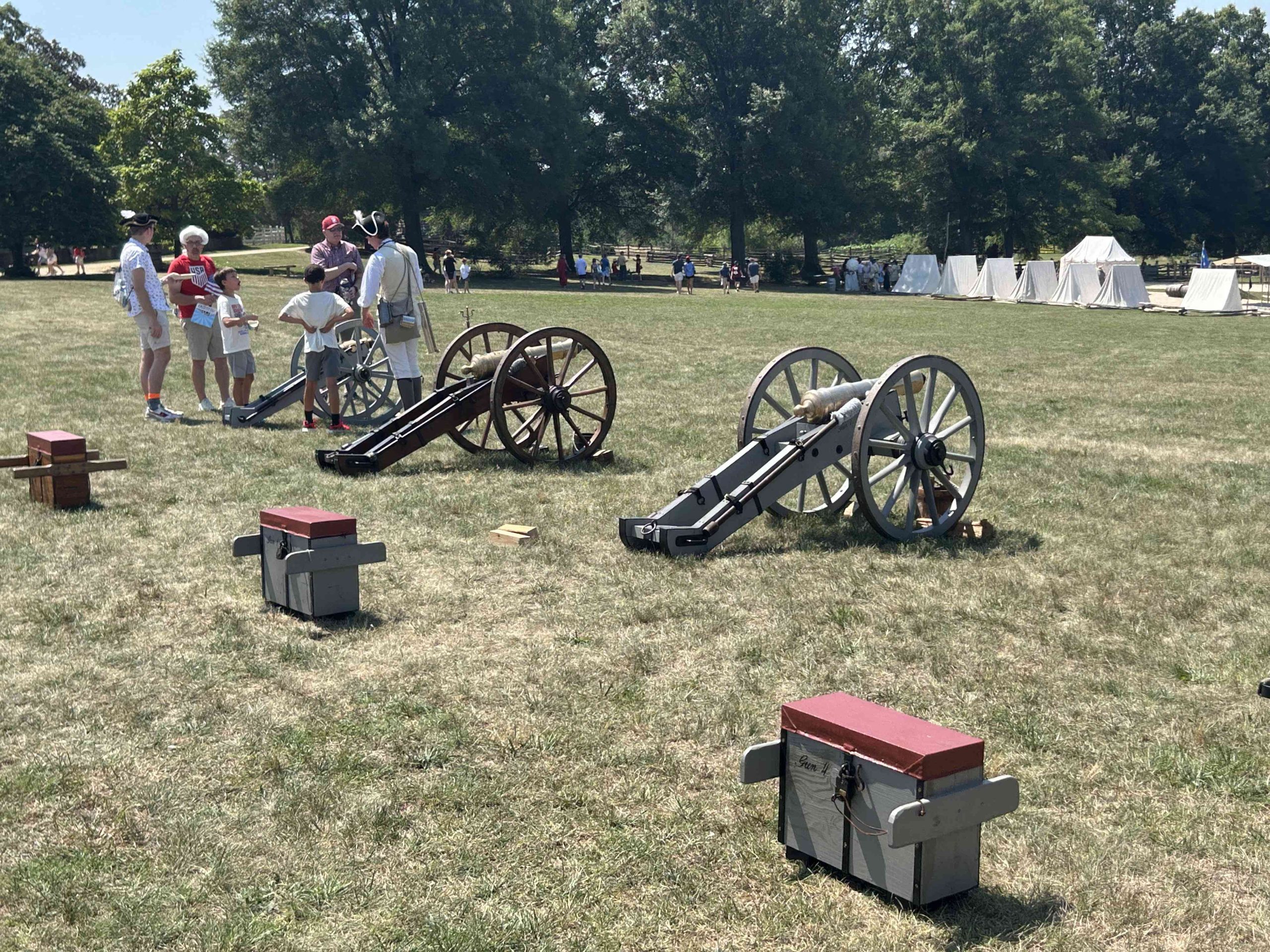
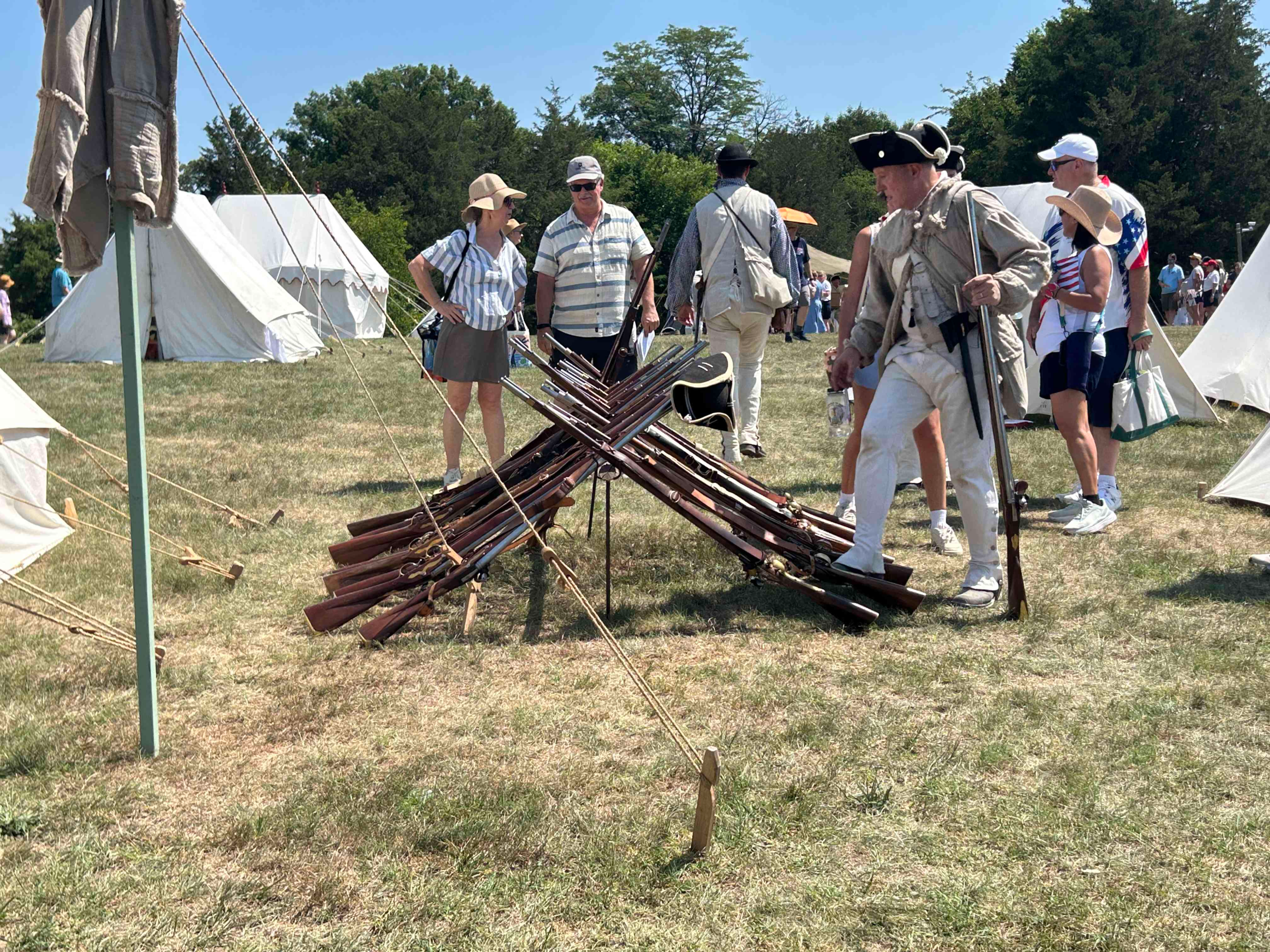
After the ceremony, we walked through the encampment living displays and watched George Washington inspect the regiments. We also listened to the reading of the Declaration of Independence, which was another meaningful part of the day.
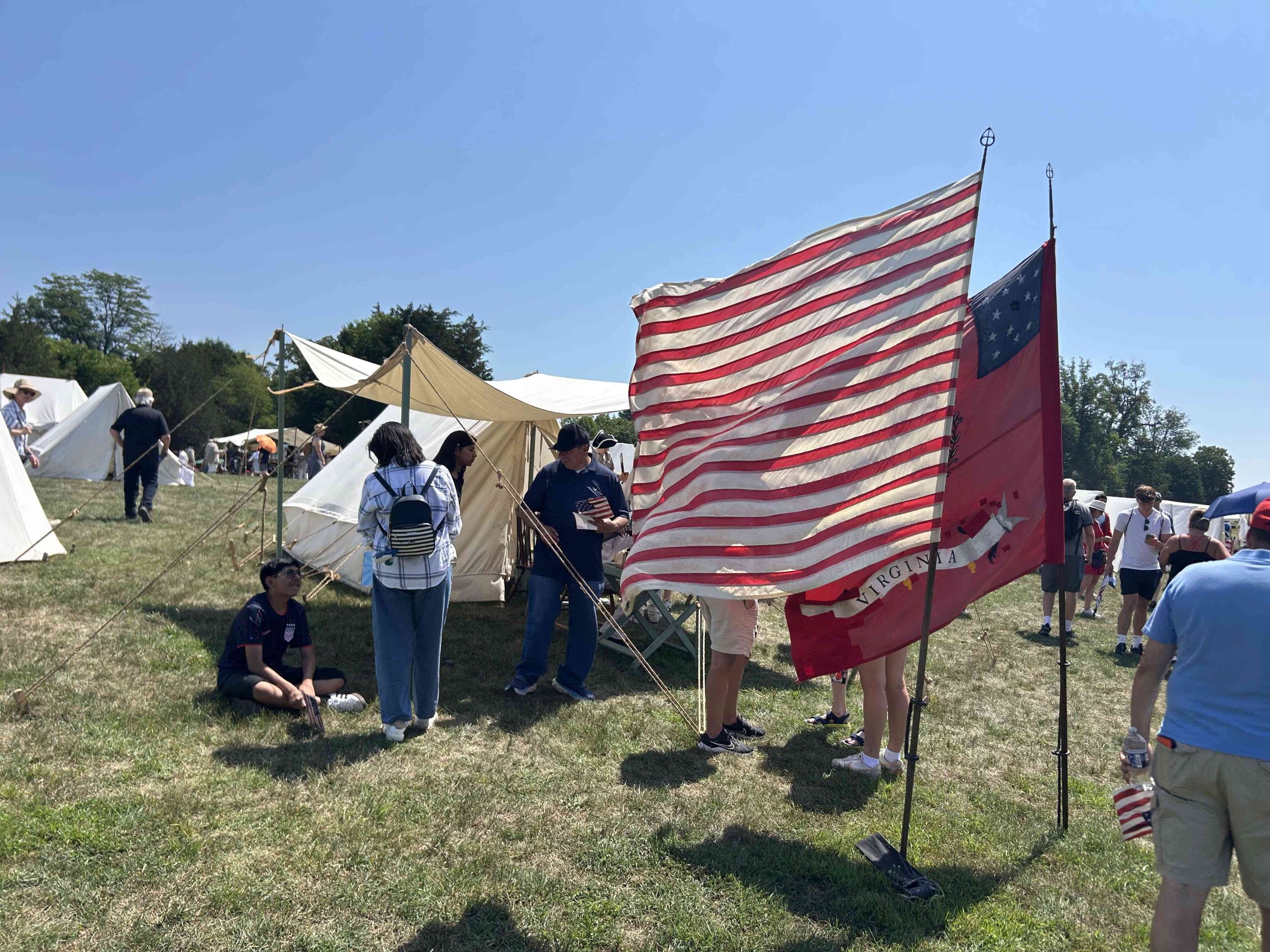
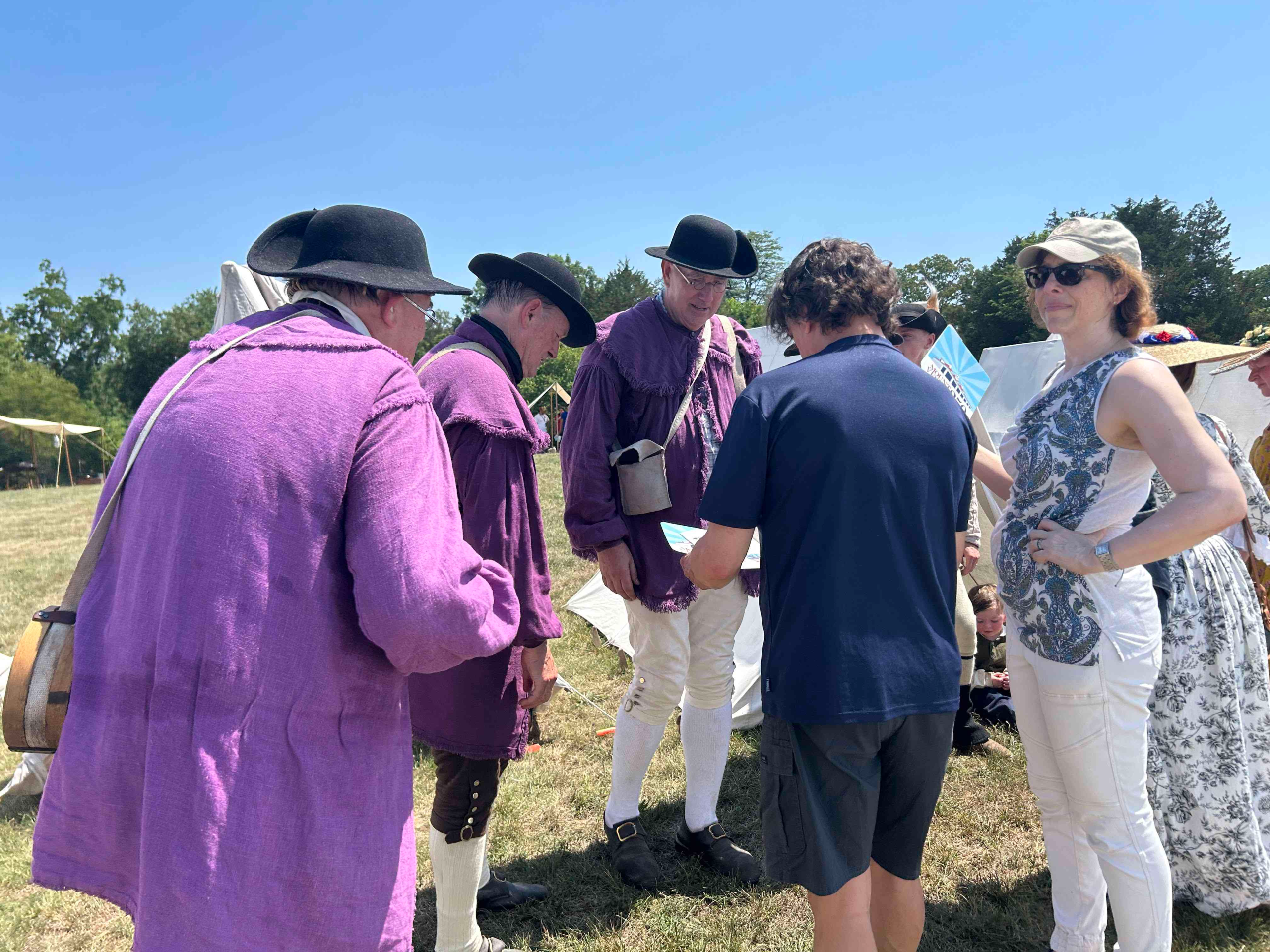
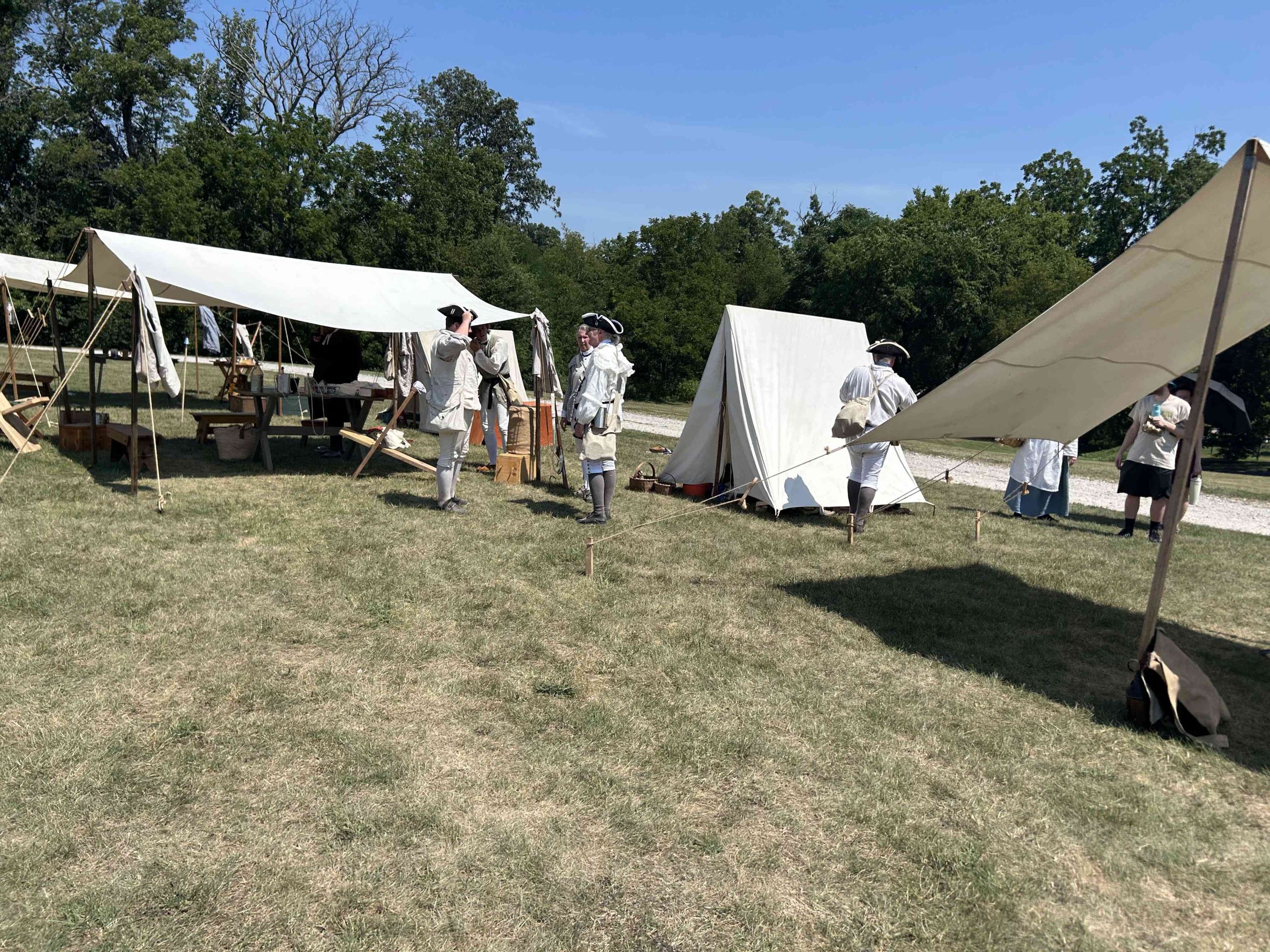
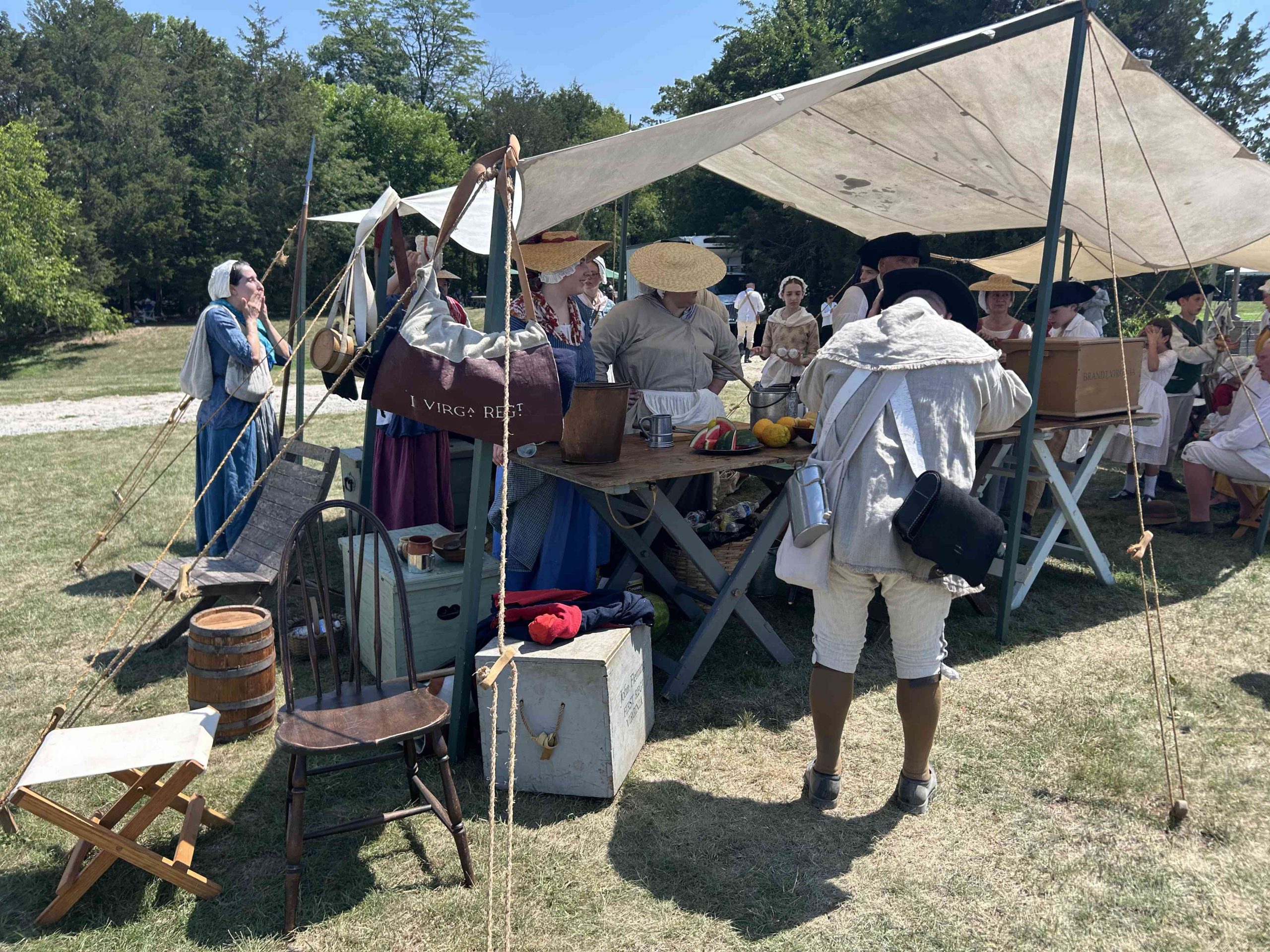
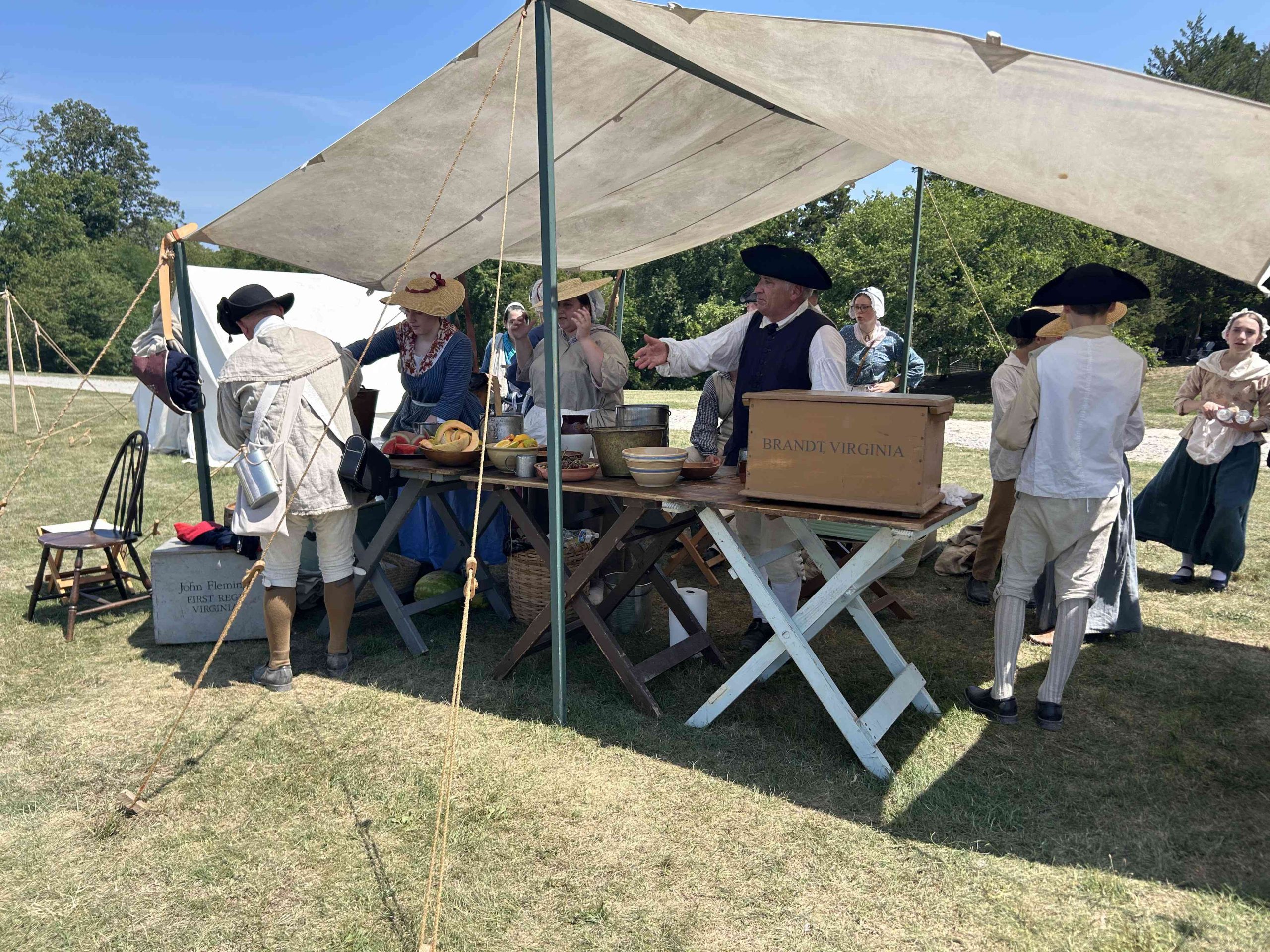
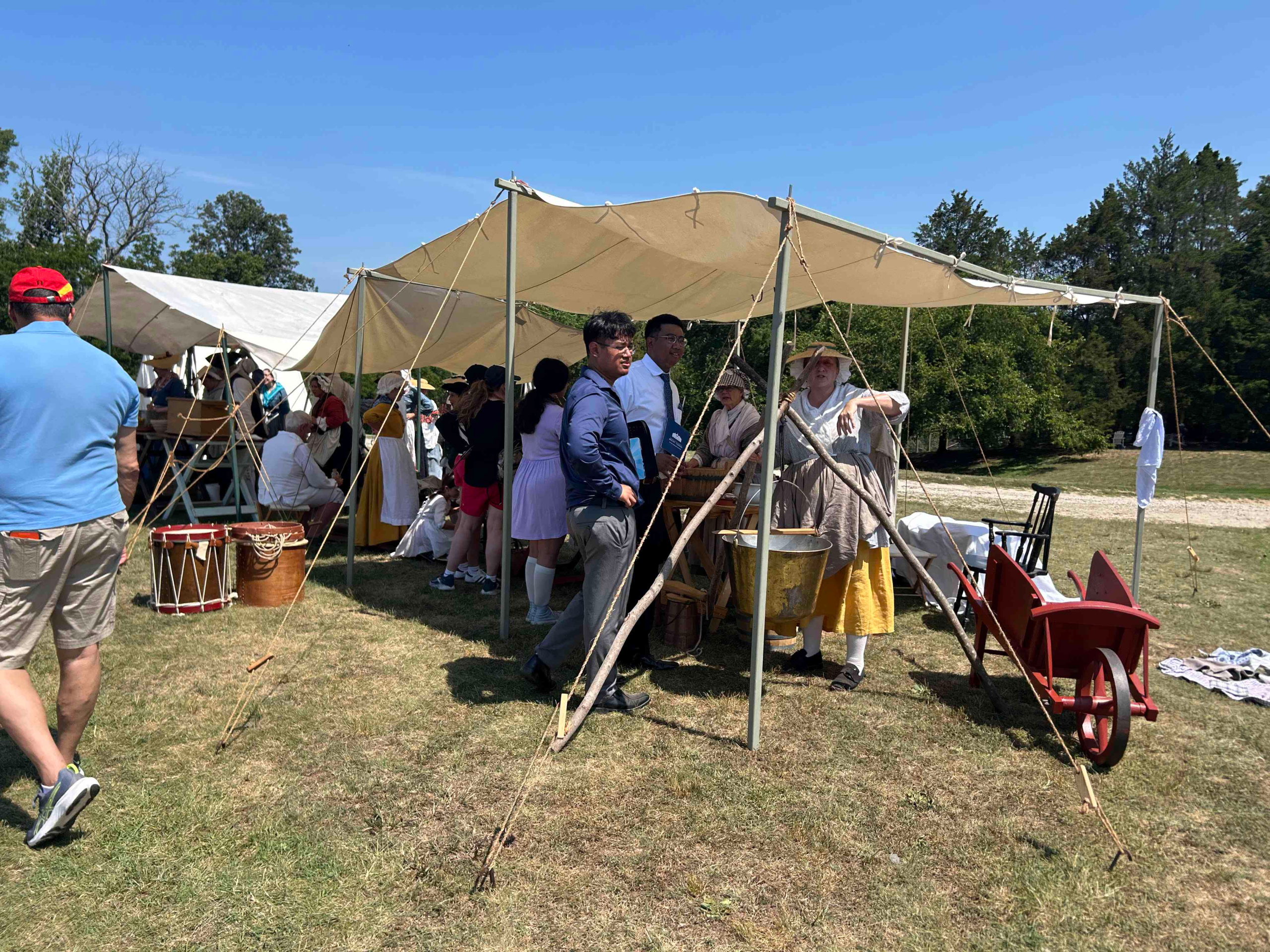
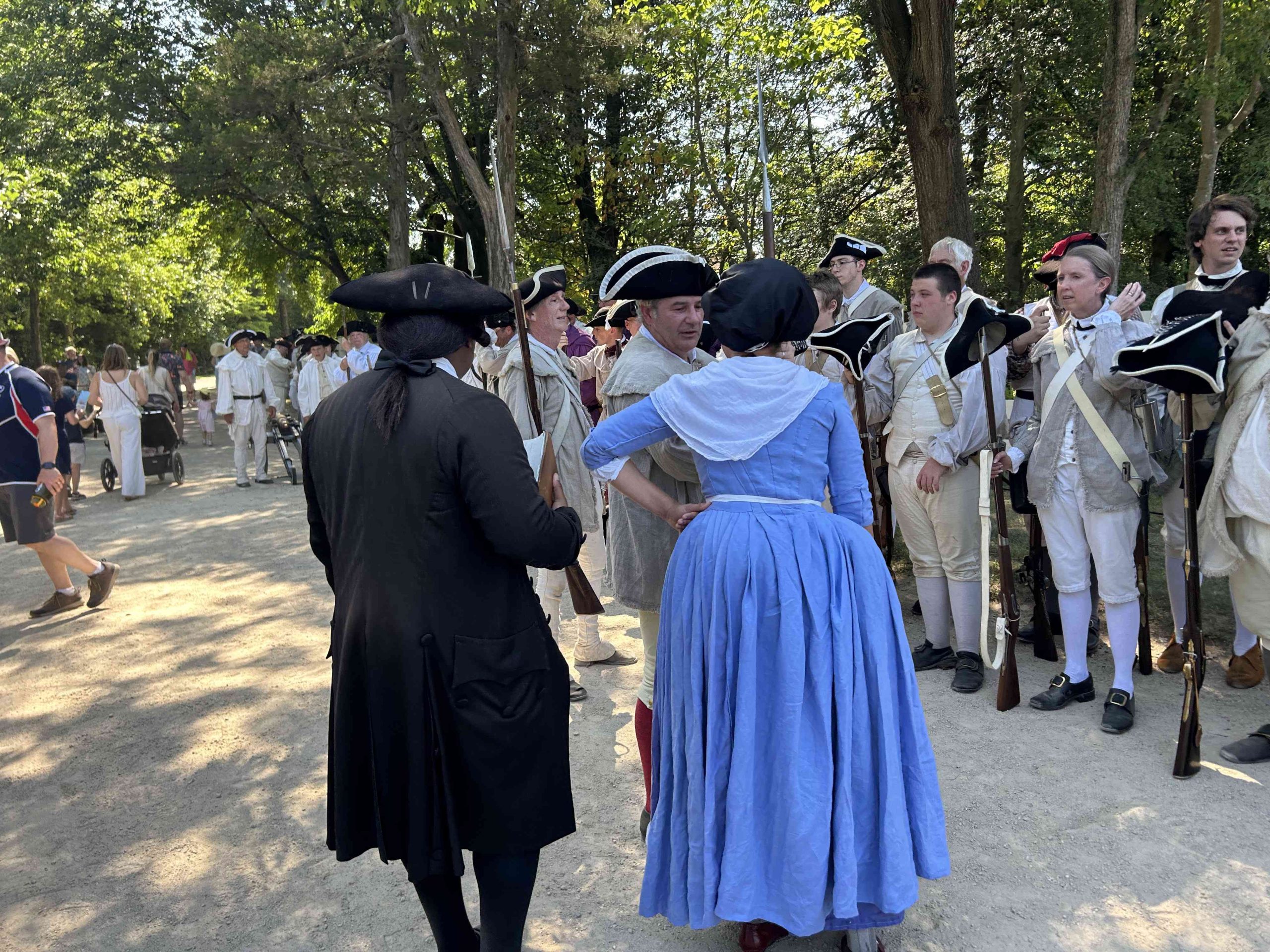
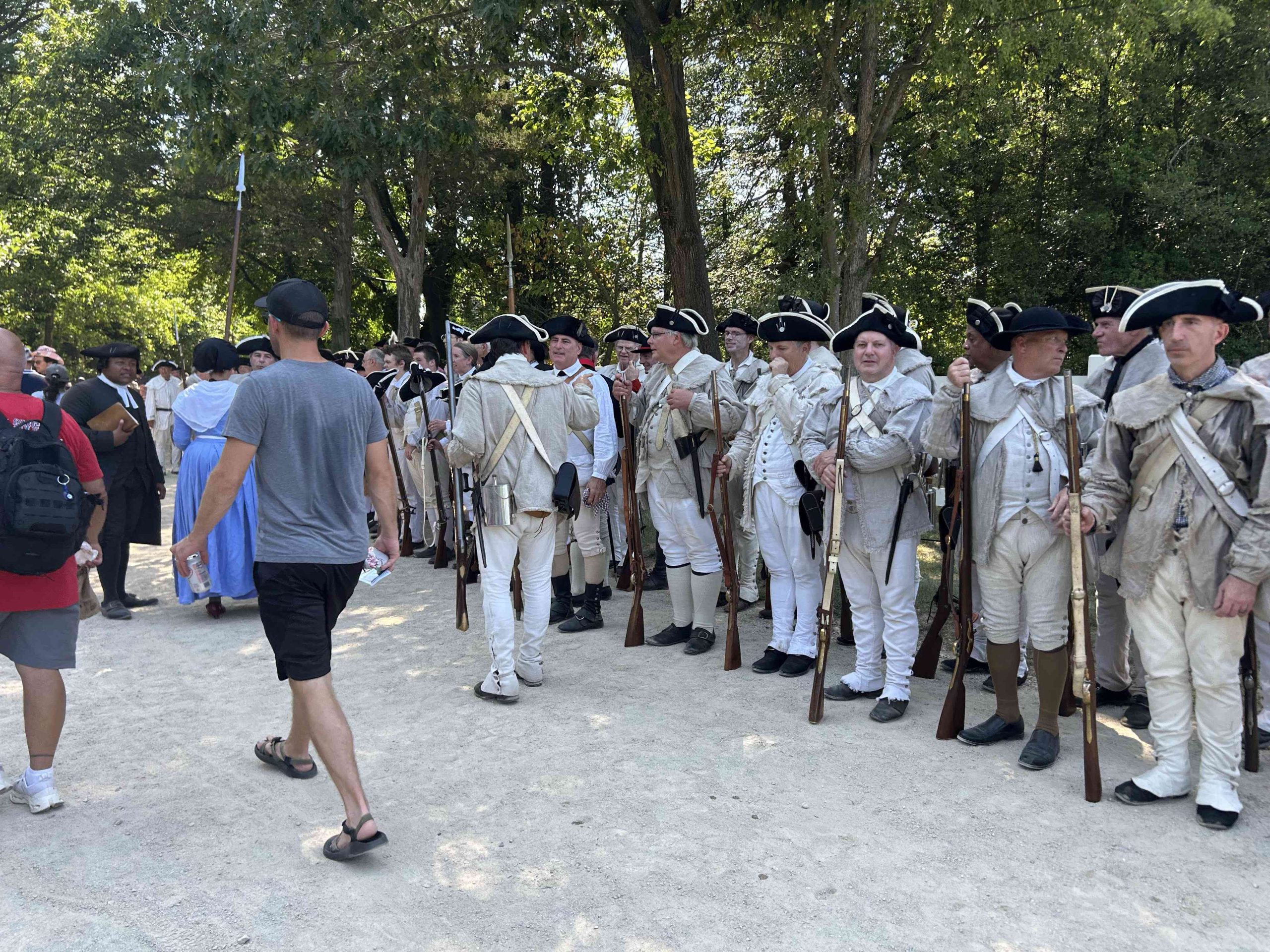
The heat, however, was not playing around.
With the temperature climbing over 100 degrees, we decided to head back to camp that afternoon. There is a point where history, patriotism, and common sense all have to agree that shade and air conditioning are a good idea.
On the way back to camp, we stopped at a farm stand and bought some produce for the week. We love finding local produce while we travel, and so far the choices have been excellent.
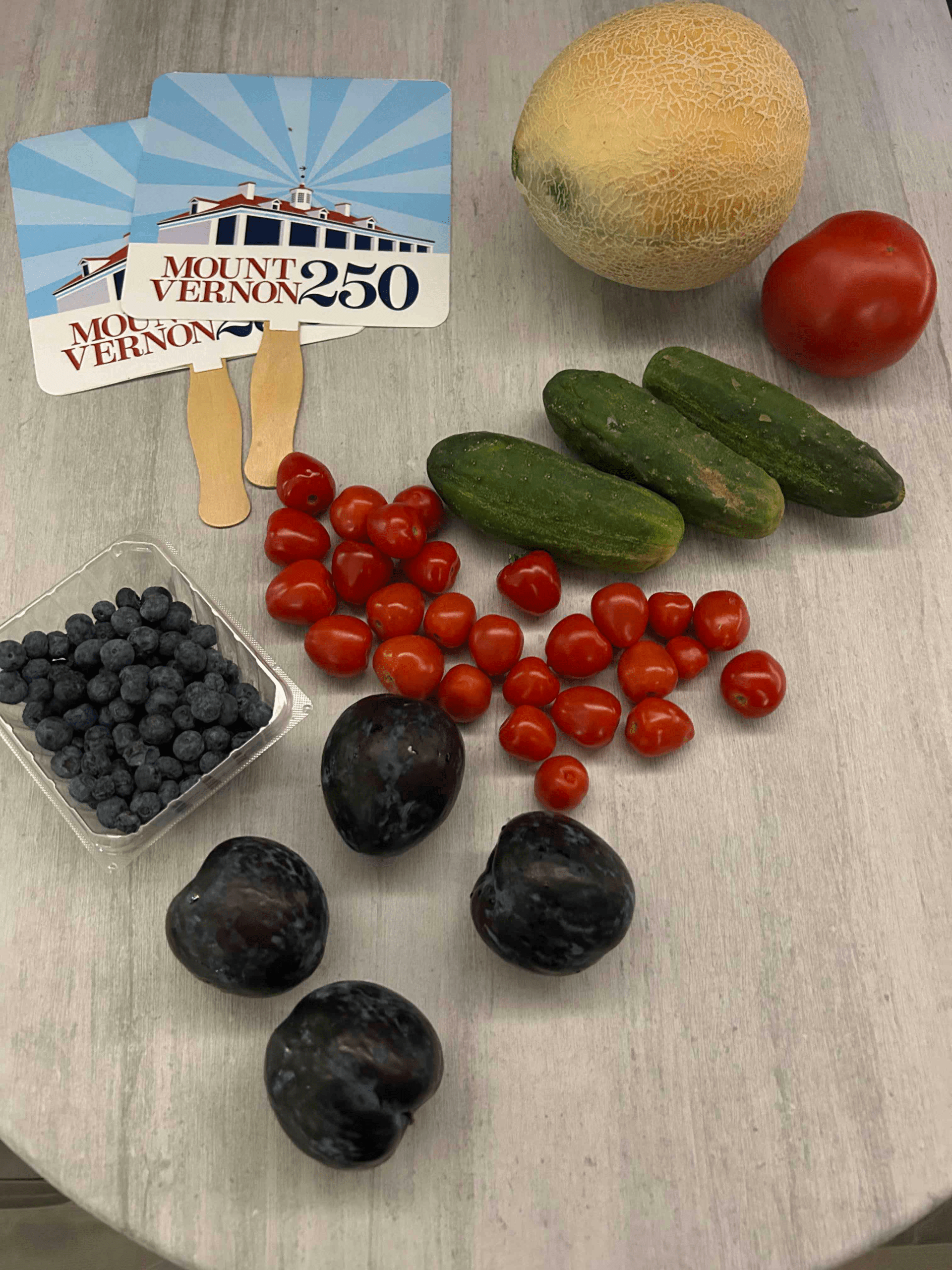
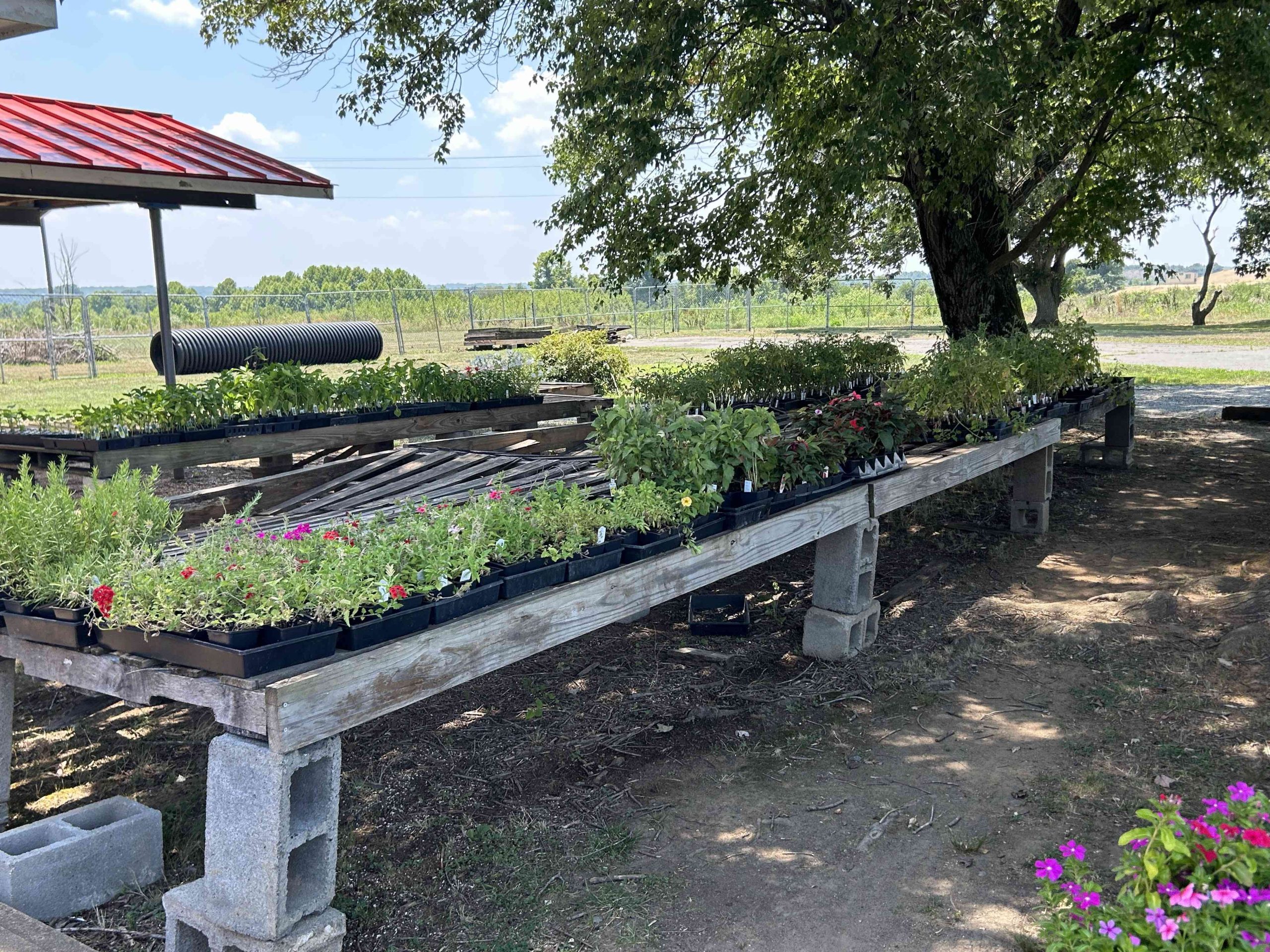
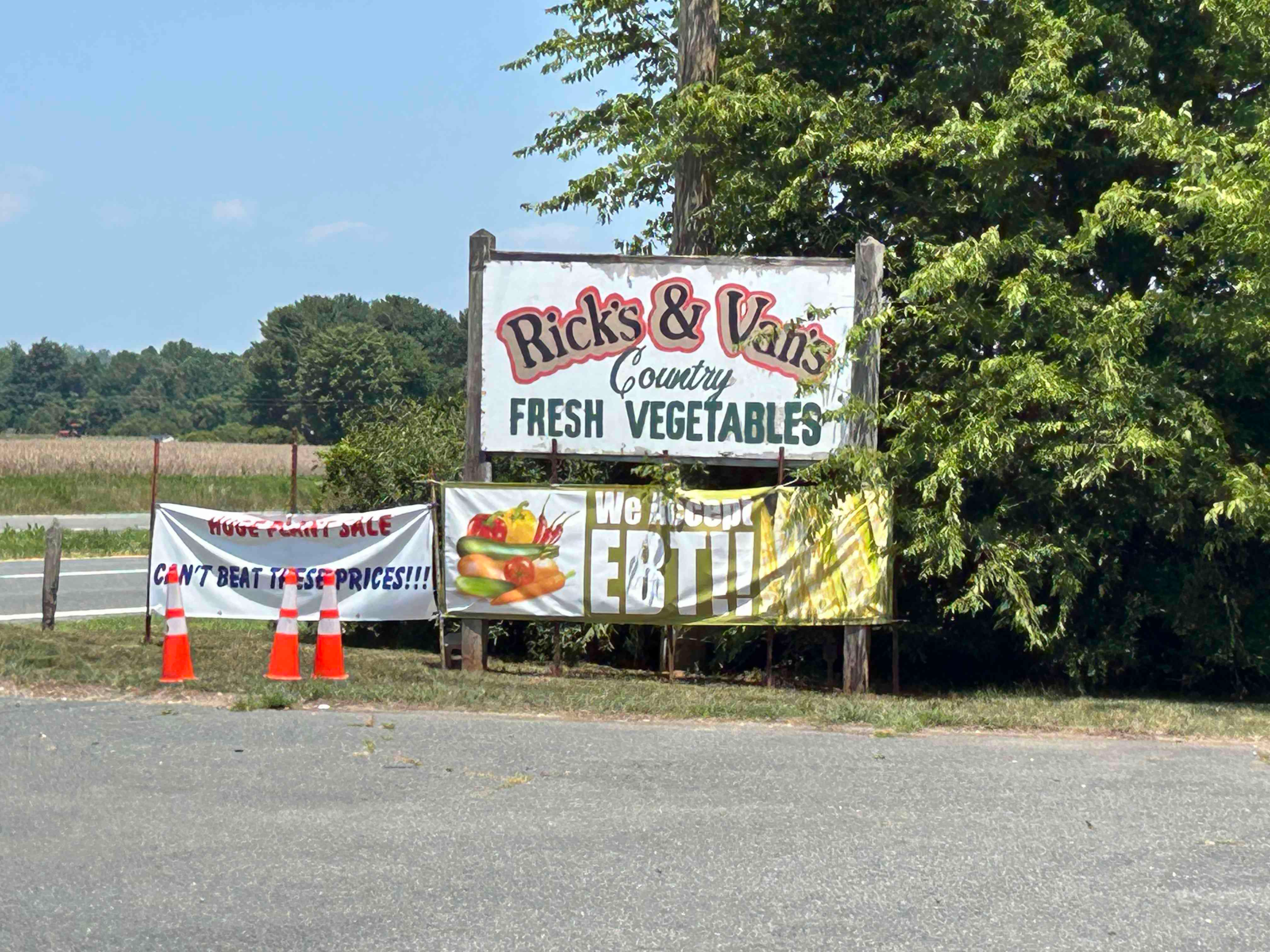
Our plan for the evening was to watch the National Mall celebration by livestream starting at 7:00. Unfortunately, rain postponed the event until after we had already called it a night.
Even with the heat and the rain delay, it was still a memorable Fourth of July. Being at Mount Vernon with a citizenship ceremony, historical displays, the Declaration of Independence, local produce, and a quiet evening back at camp made for a pretty full day.
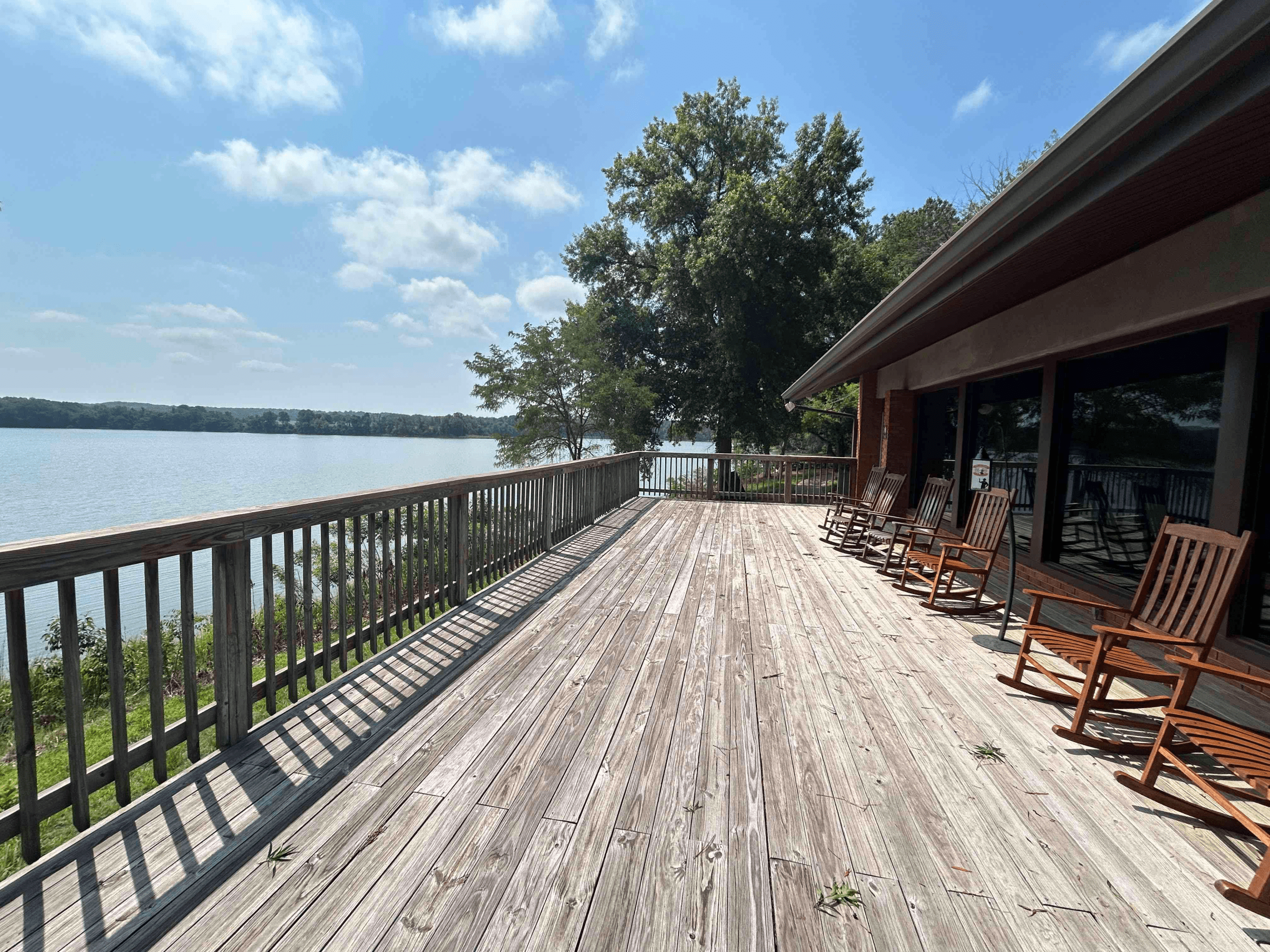
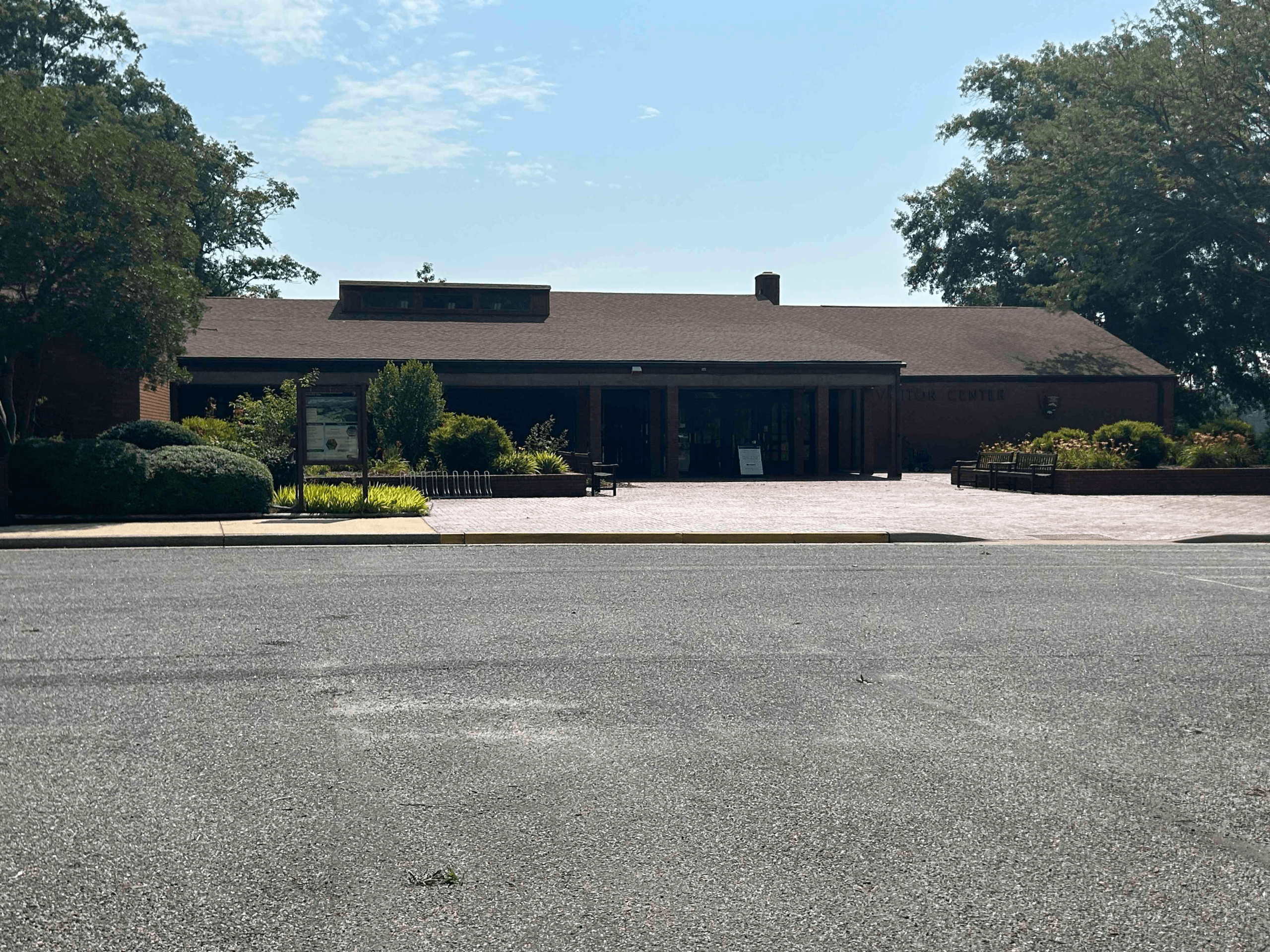
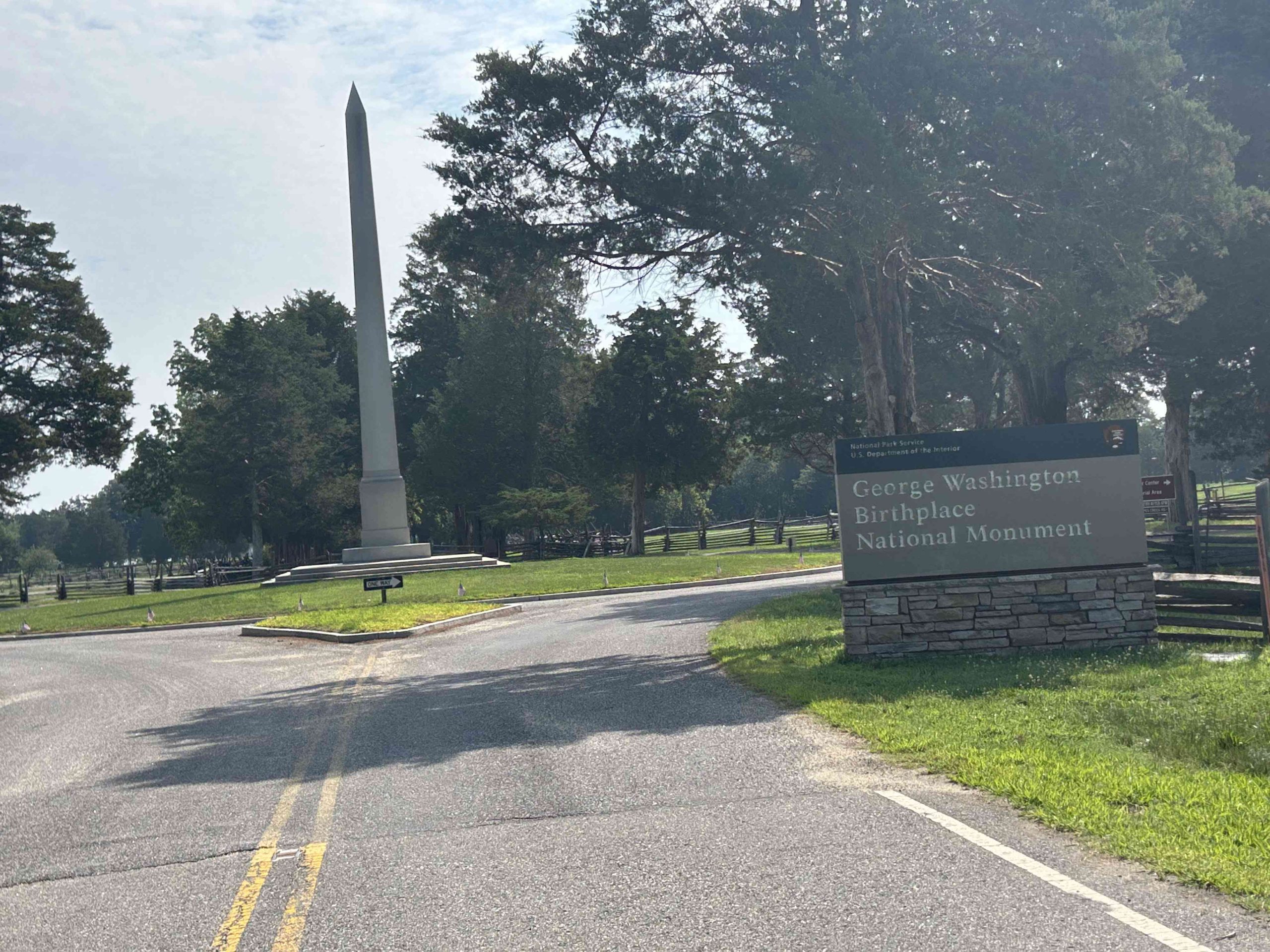
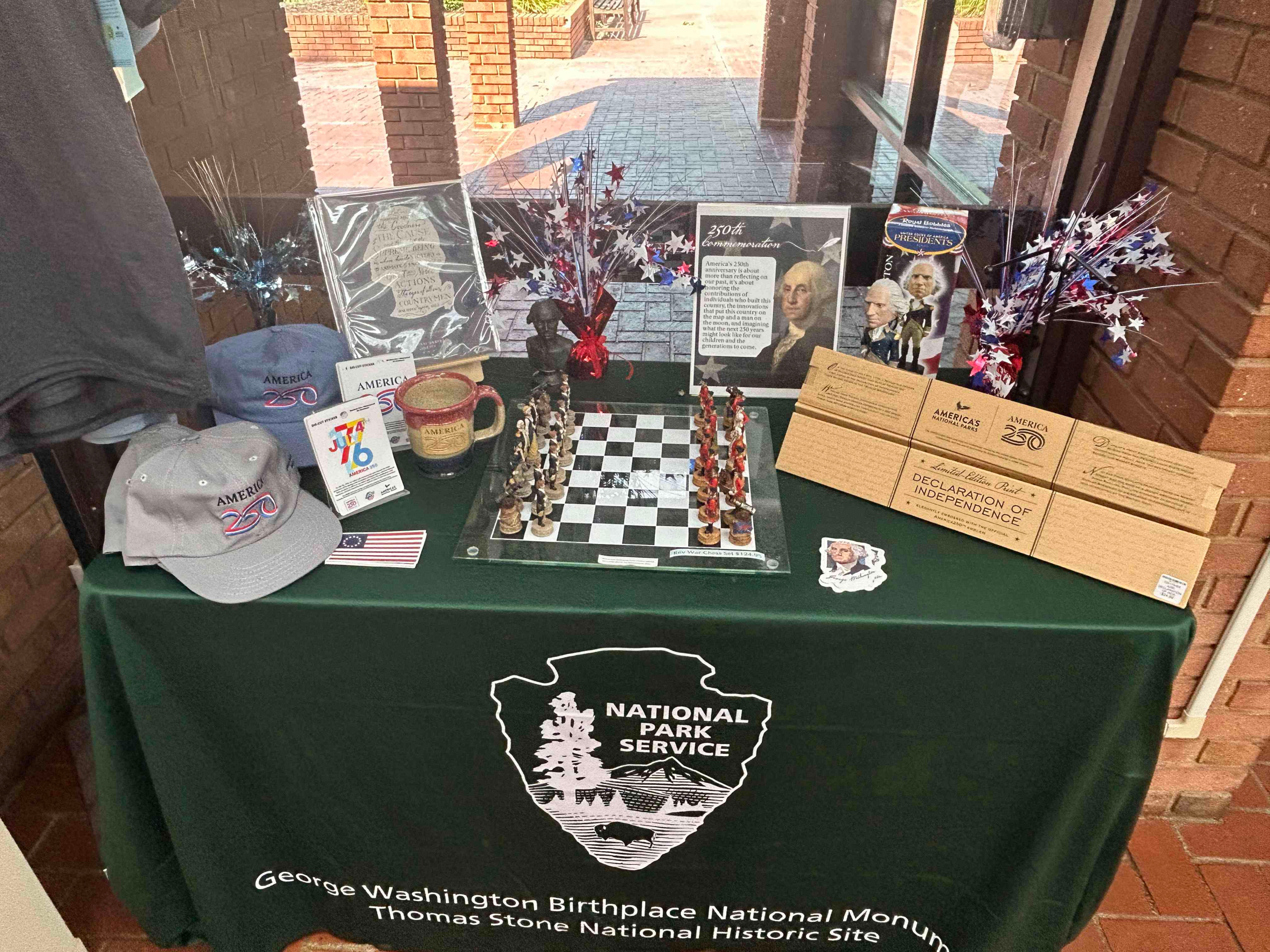
Sunday, July 5, 2026: We visited George Washington Birthplace National Monument.
After spending the Fourth of July at Mount Vernon, it felt fitting to visit the place where George Washington’s story began. This stop had a quieter feel than Mount Vernon, but it was still meaningful in a different way.
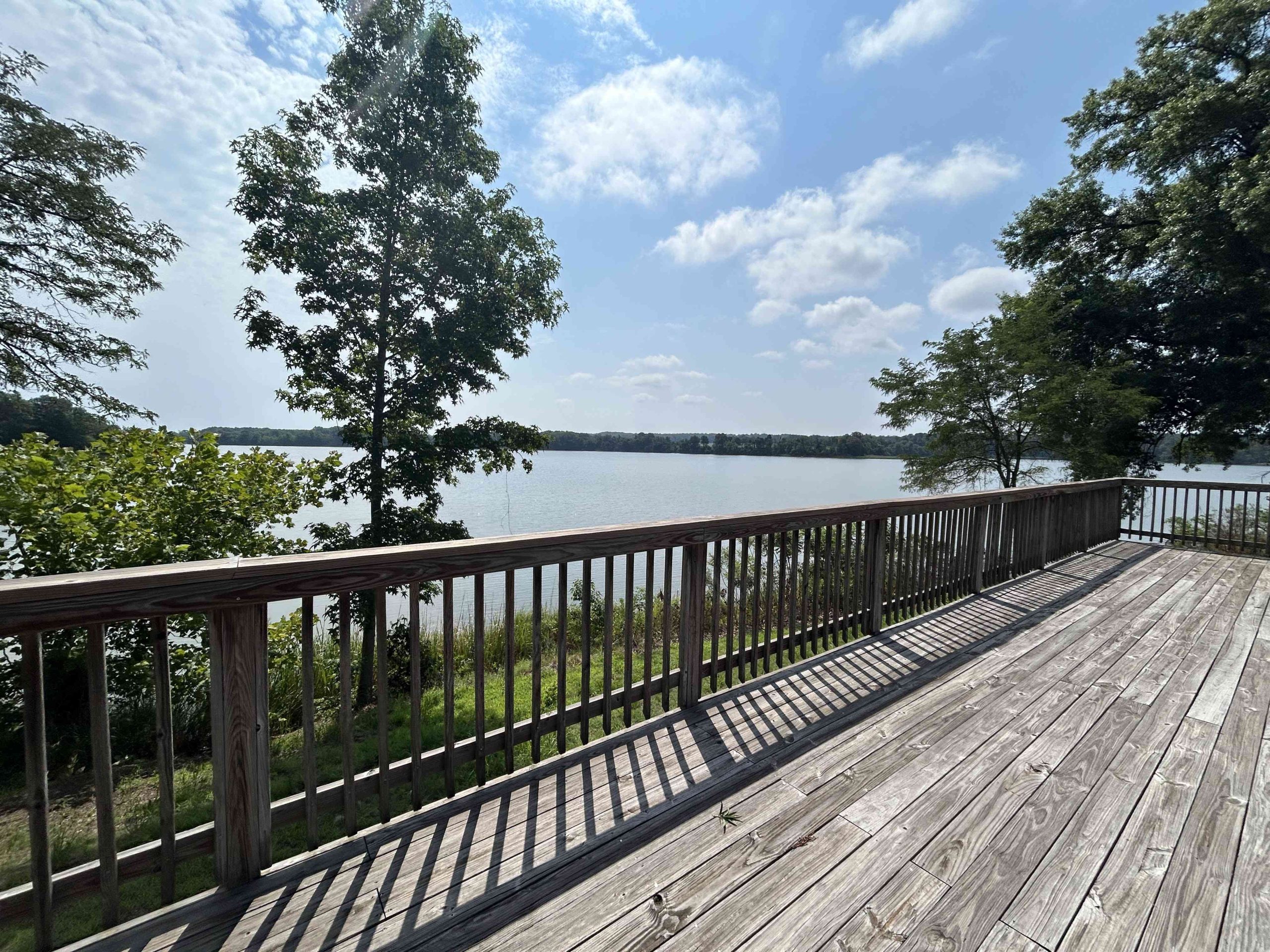
One part of the audio tour really stood out.
“When George Washington was born in 1732, no one could have predicted the role he would one day play in shaping a new nation. Because of that, no one could have foreseen the need to preserve the place where his story began.”
By the early 1800s, the house where Washington was born had been lost to the slow but steady passage of time. Its exact location and appearance had been forgotten.


That thought stayed with us.
Today, we look back at Washington as one of the most important figures in American history. But when he was born, he was simply a child born into a Virginia family. No one knew he would become commander of the Continental Army. No one knew he would become the first president of the United States. No one knew people would one day travel to see the place where his life began. And because no one knew, the original birthplace home was not preserved.
There is something humbling about that. History does not always announce itself when it begins. Sometimes the places that matter most only become important after the story has unfolded.
George Washington Birthplace was not just about seeing a historic site. It was about memory, loss, preservation, and the effort to honor a beginning that was almost forgotten.
That afternoon, we went to Regal Cinemas in Fredericksburg to see the movie Young Washington. Our tickets were free from our Mount Vernon visit, which made it an easy addition to the day.
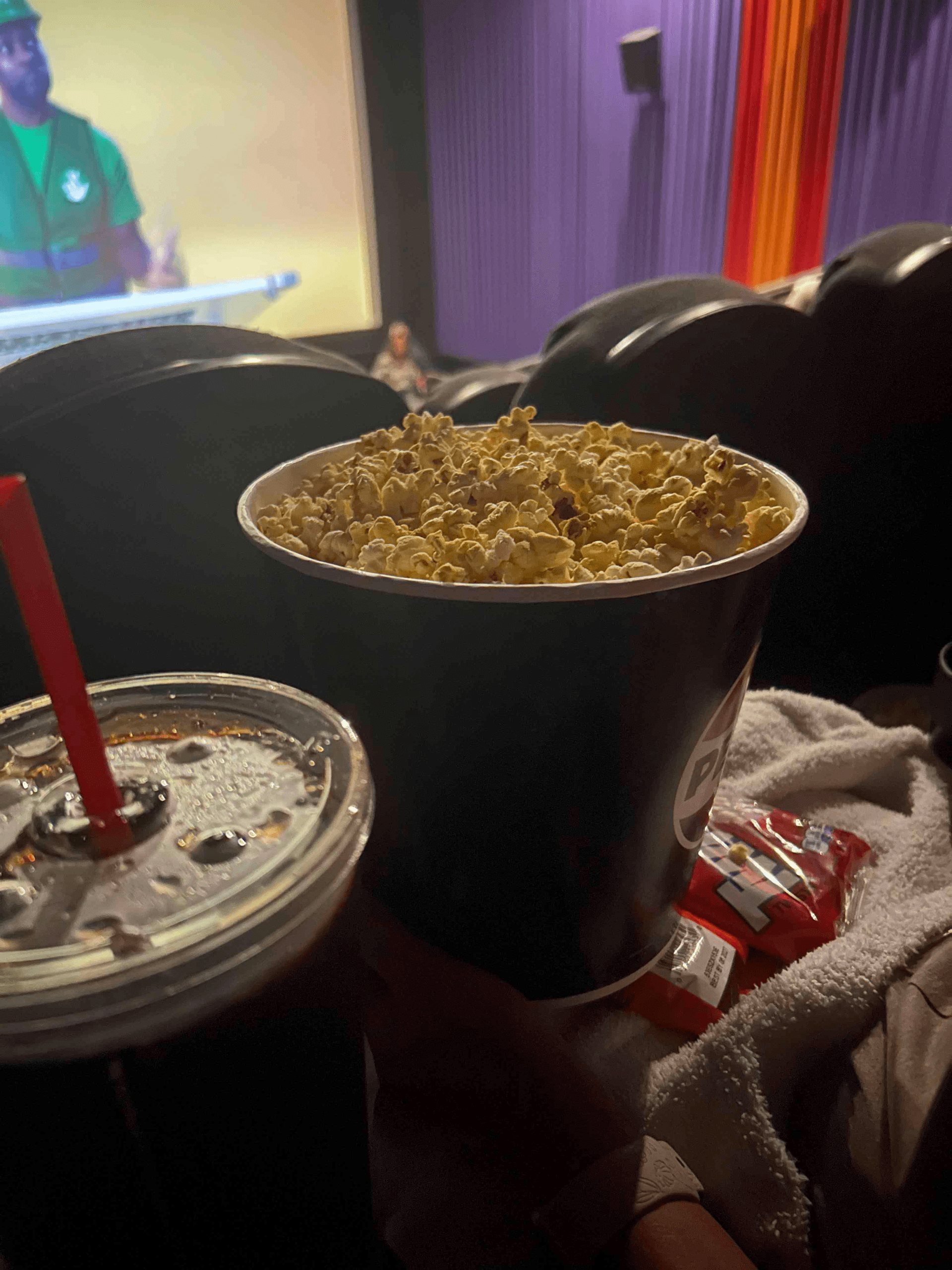
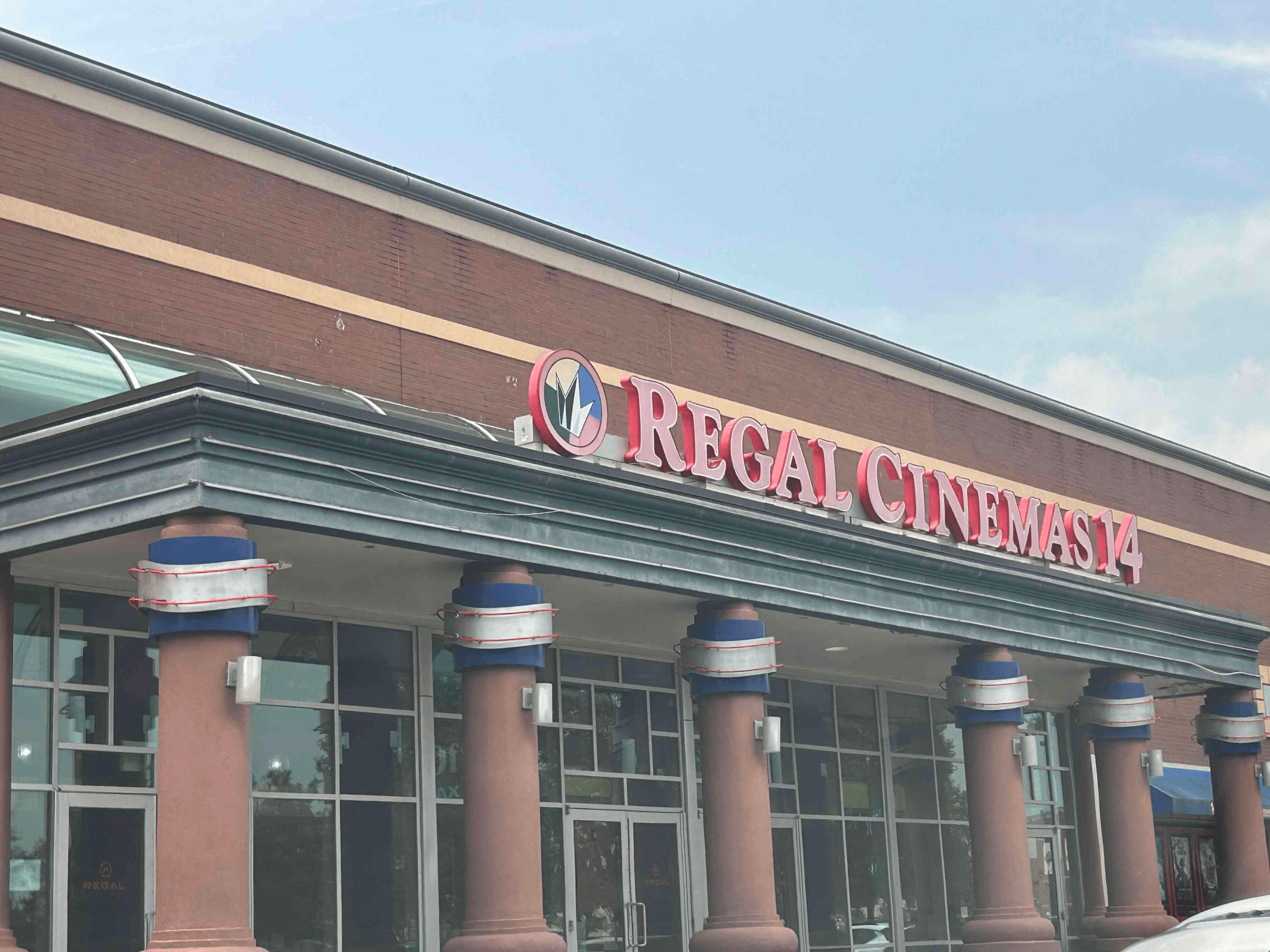
The movie was very good, but also a little discouraging to watch at times. Seeing soldiers battle by standing face to face and firing at each other was hard to process. We have come a long way, but even today, rules of engagement still exist, and there are parameters that must be met in war.
Of course, no movie trip is complete without snacks. We had a big tub of popcorn, though about half of it ended up spilled during the movie. Between snacks, popcorn, and drinks, the trip to the movies still came to about $40. The days of old are long gone, even with free movie tickets.
After the movie, we headed back to camp.
Monday, July 6, 2026, and Tuesday, July 7, 2026: Both days were work days, so we stayed close to camp and focused on getting things done.
After several days of sightseeing, history, and heat, it was good to have a couple of slower days. Full-time RV life still includes work days, errands, planning, and all the normal responsibilities that have to happen no matter where we are parked.
Monday evening, we took a walk around the campground. While we have not spent much time here that we were not working, the place has plenty of activities and services.
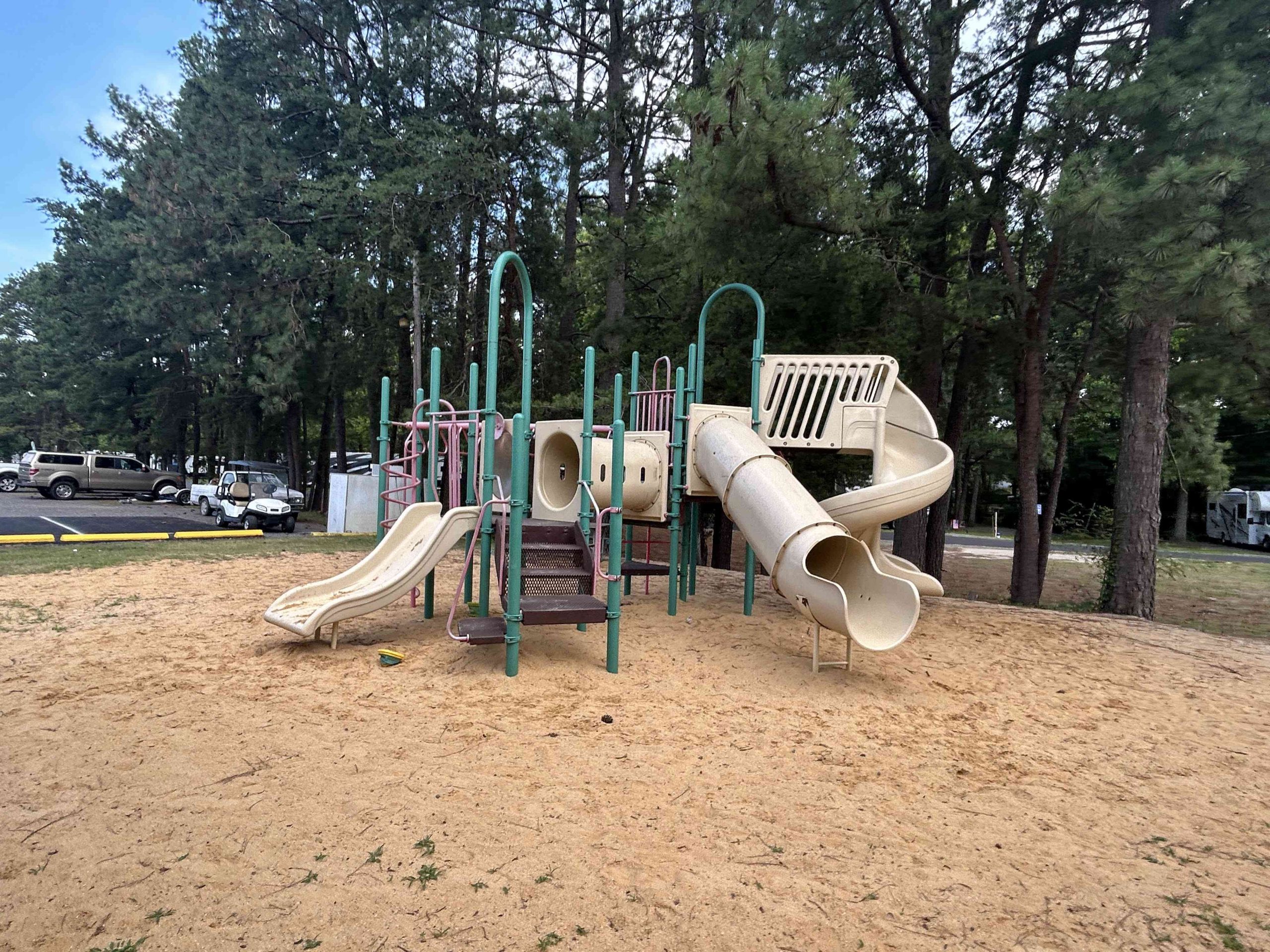
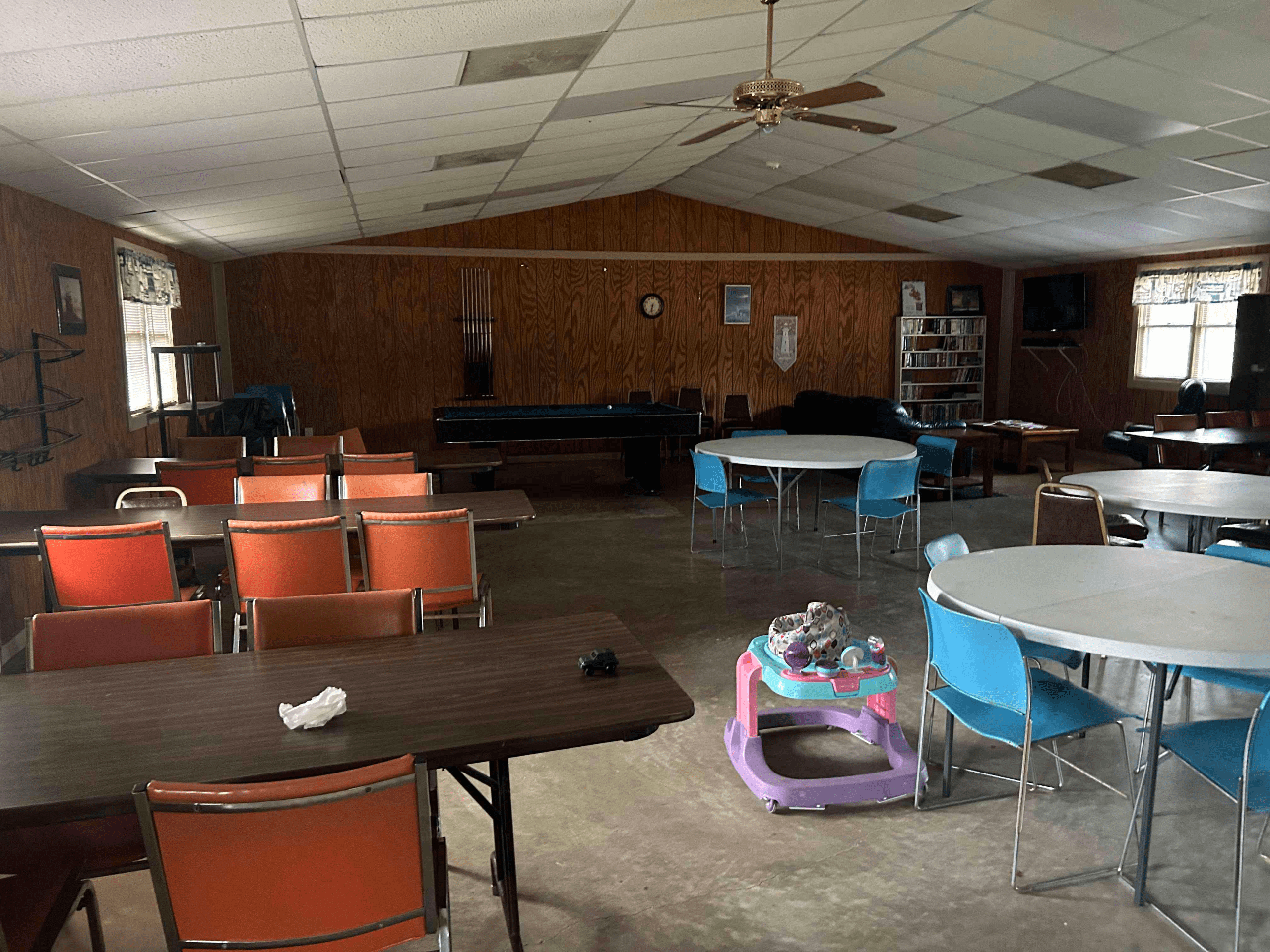
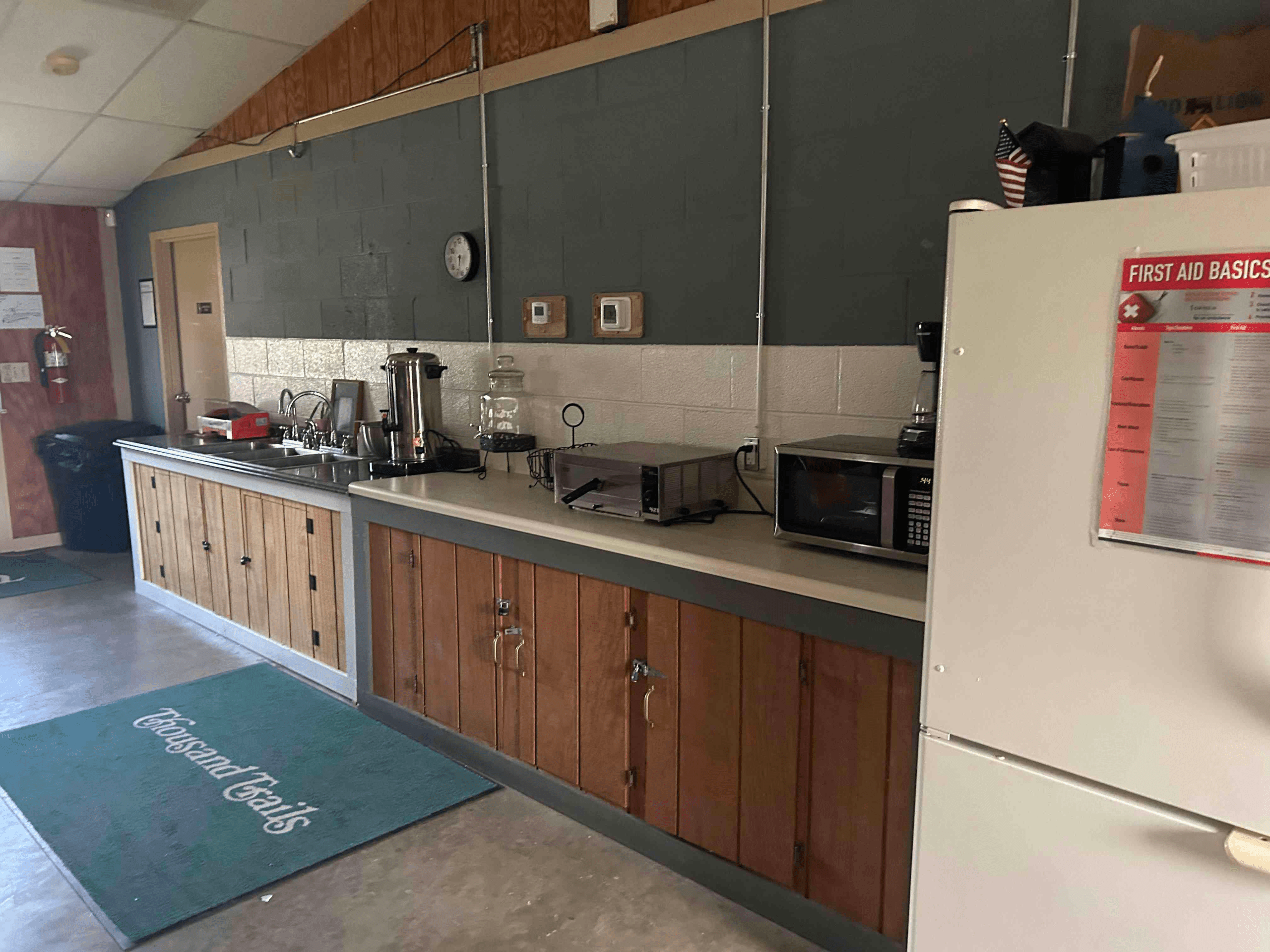
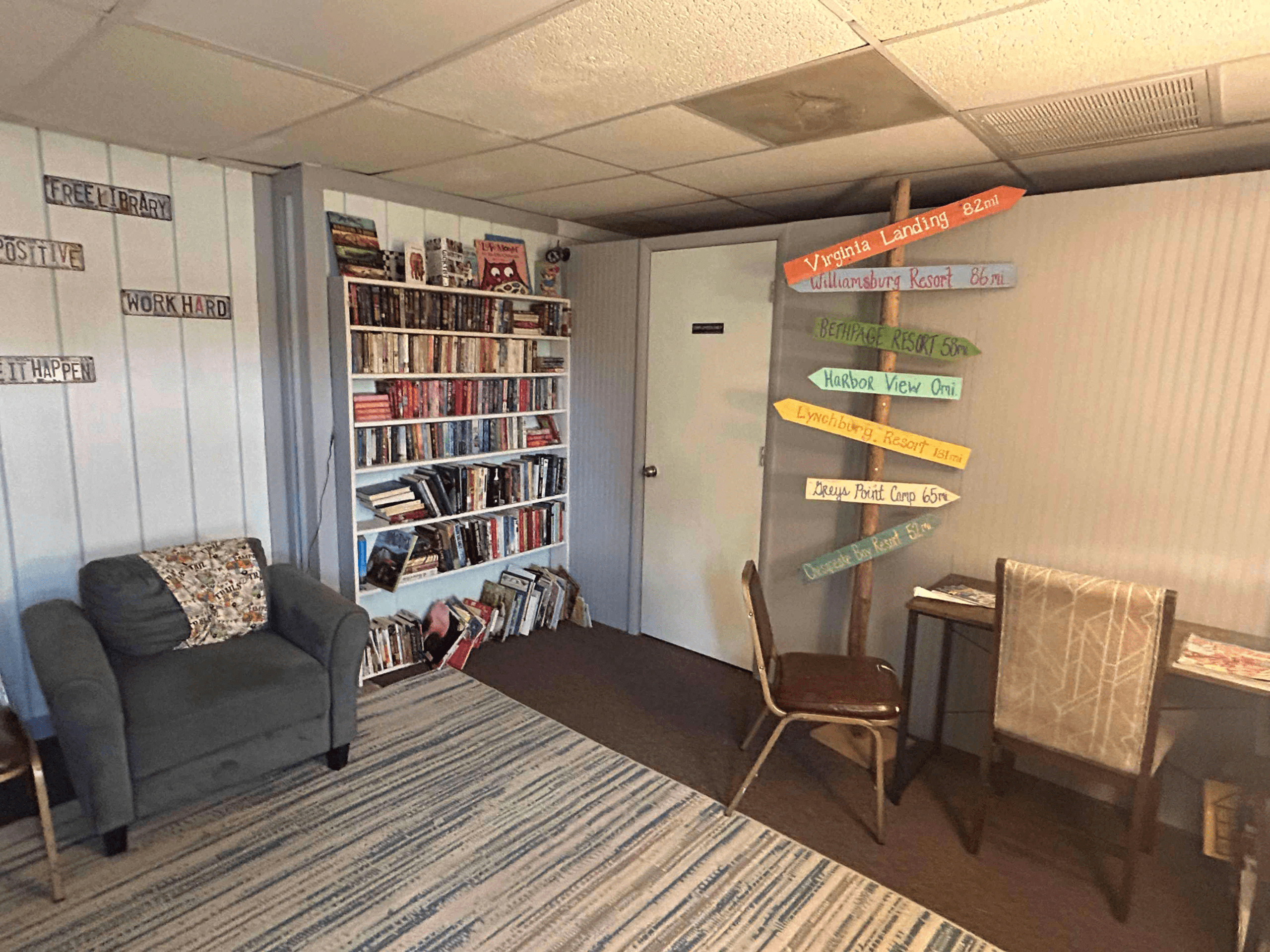
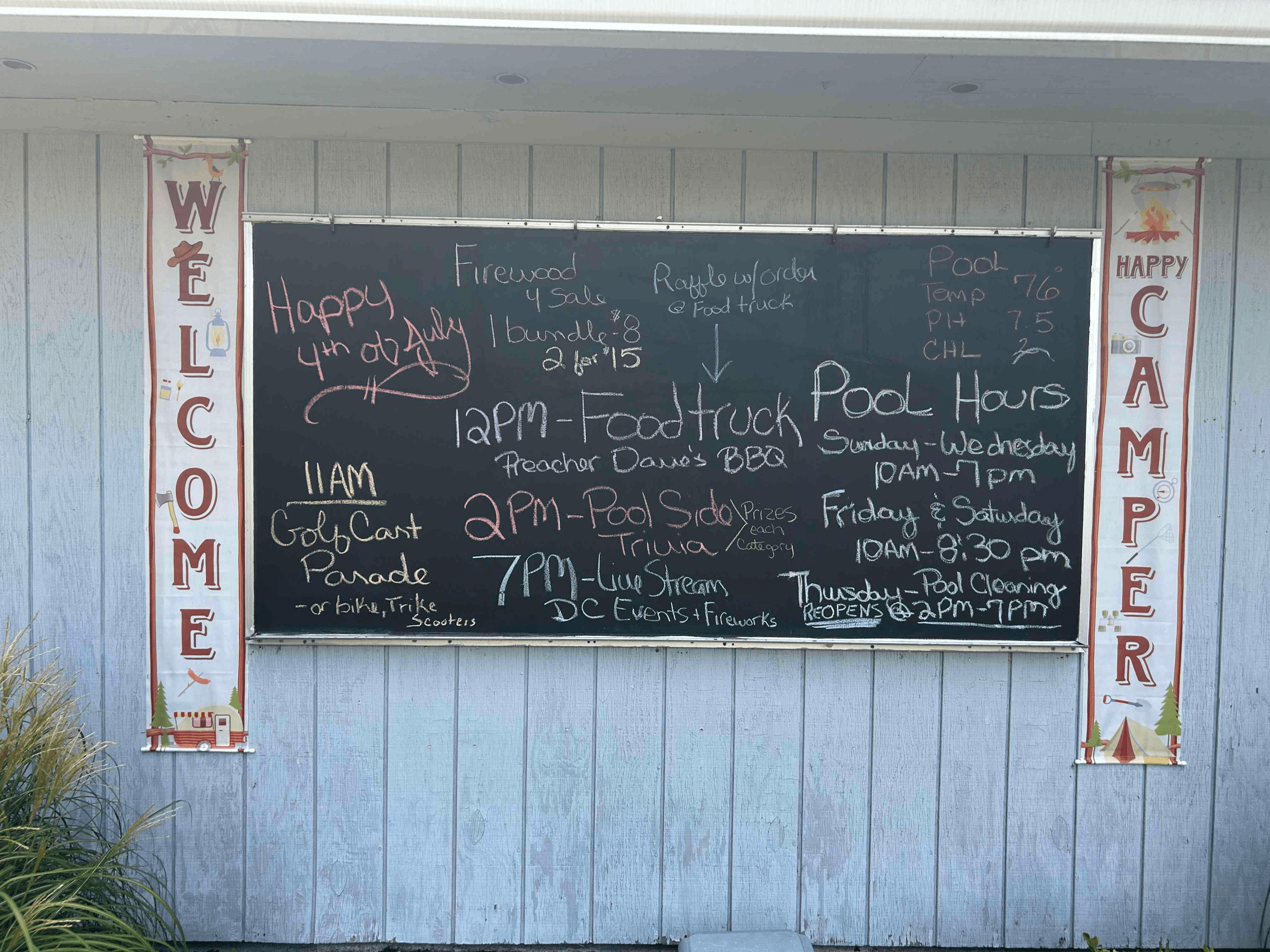
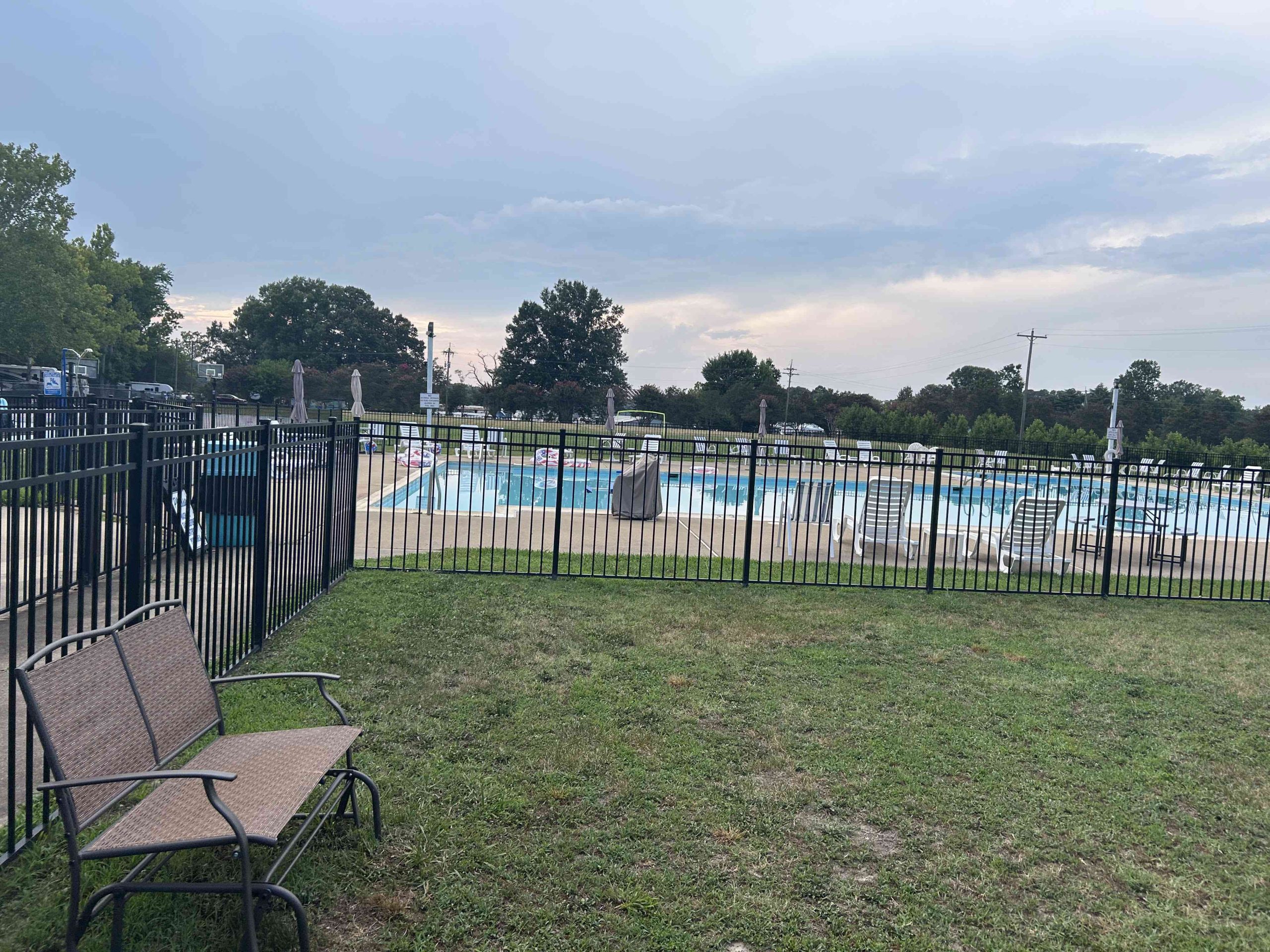
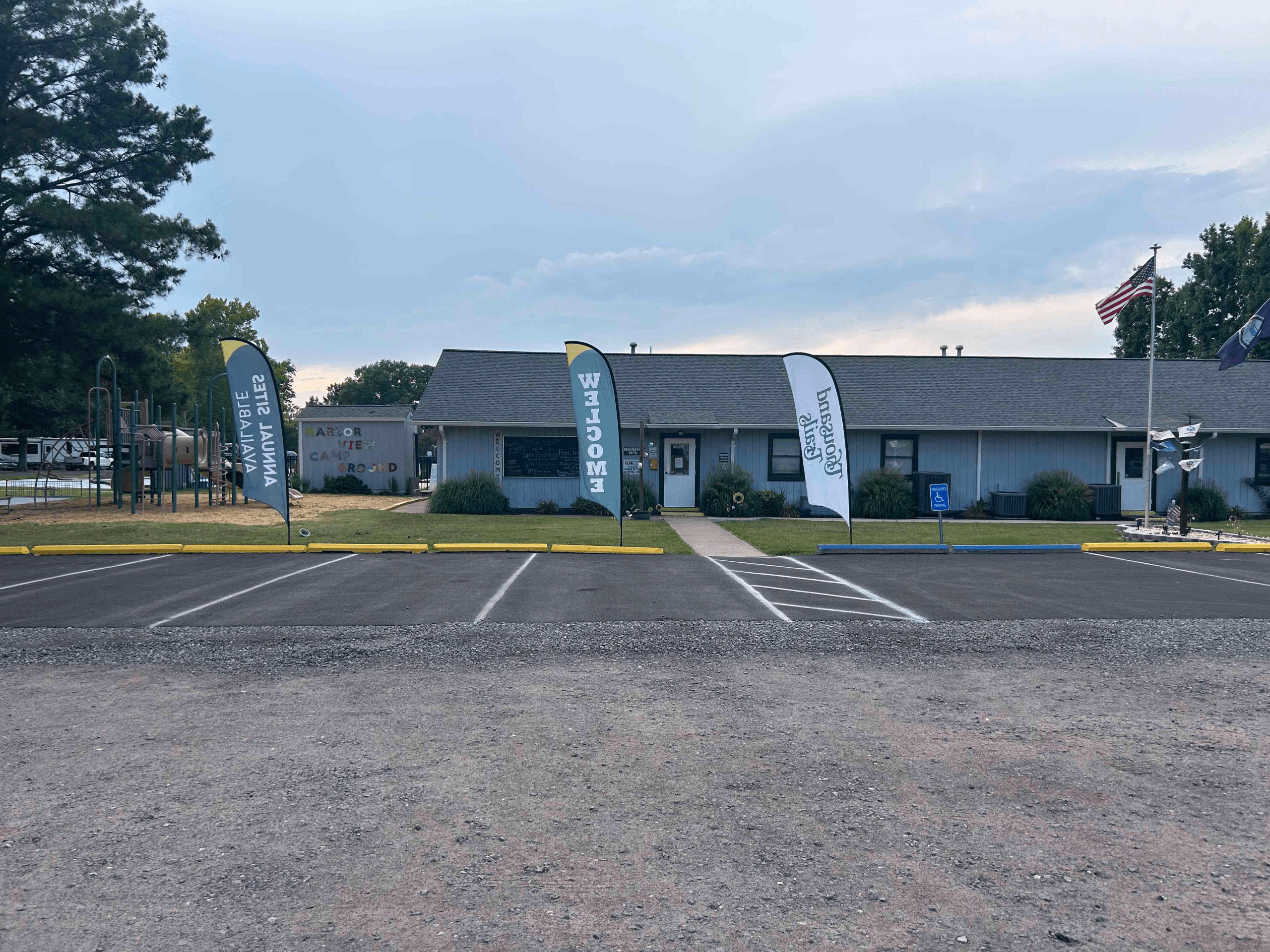
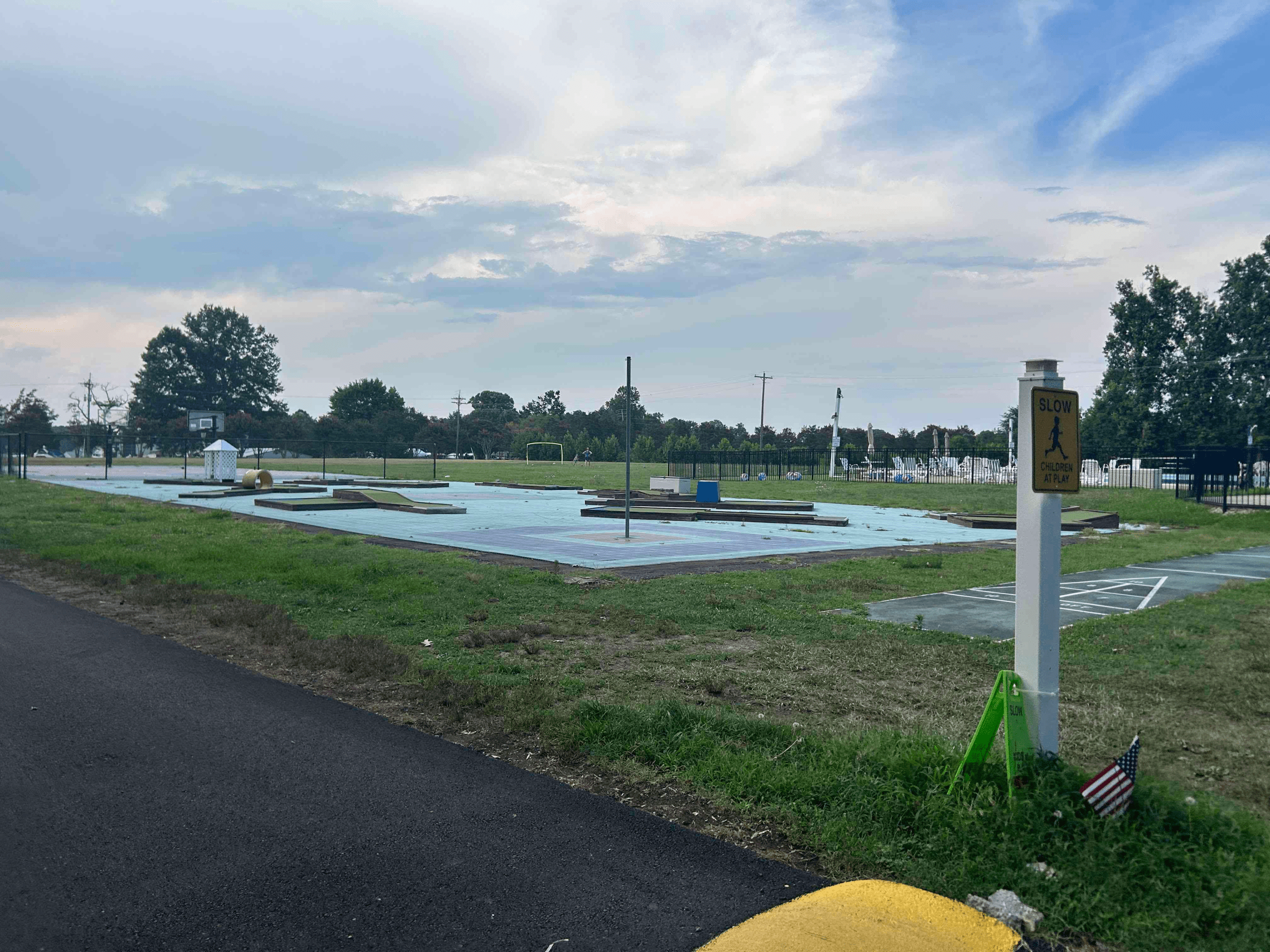
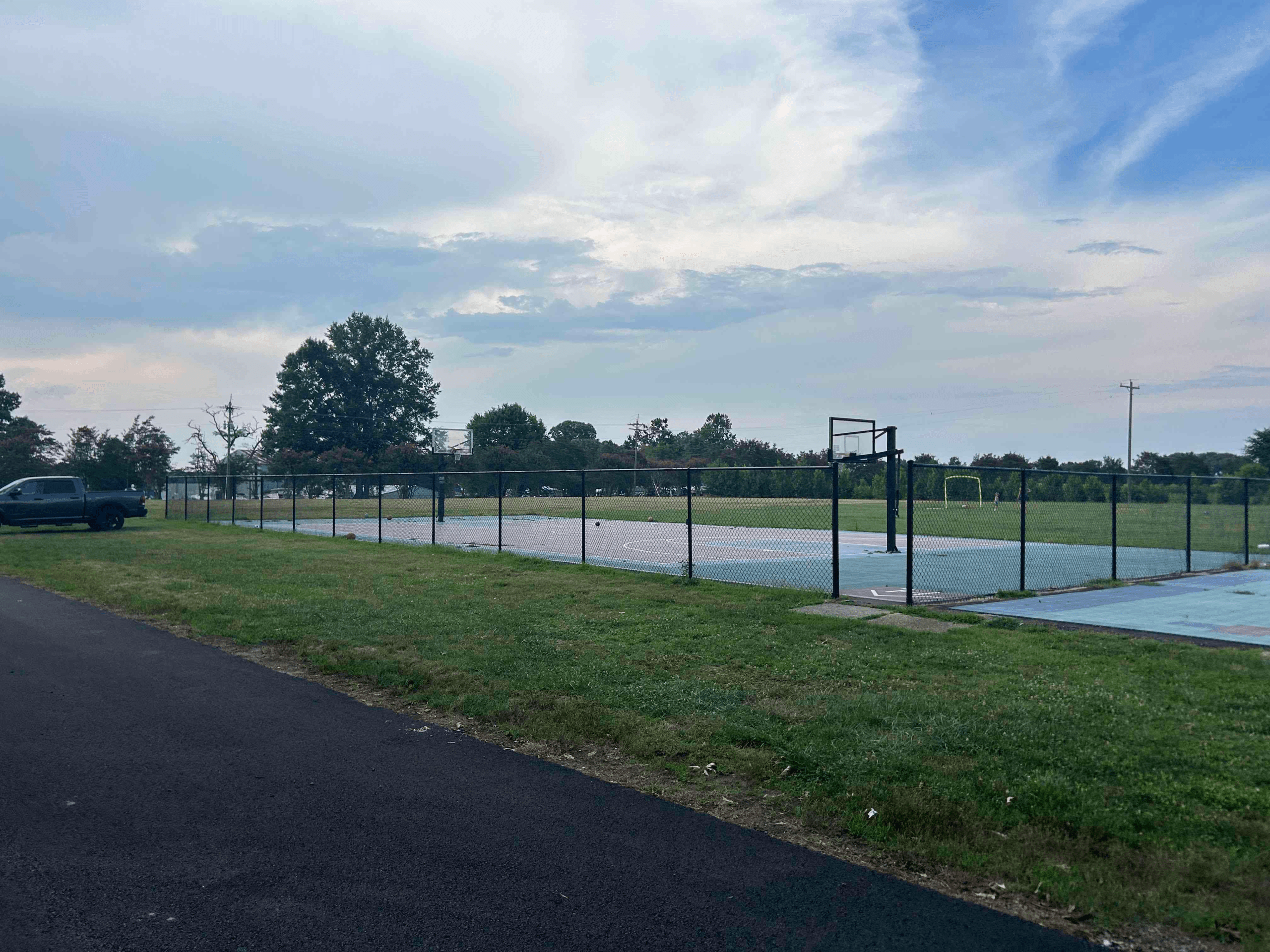
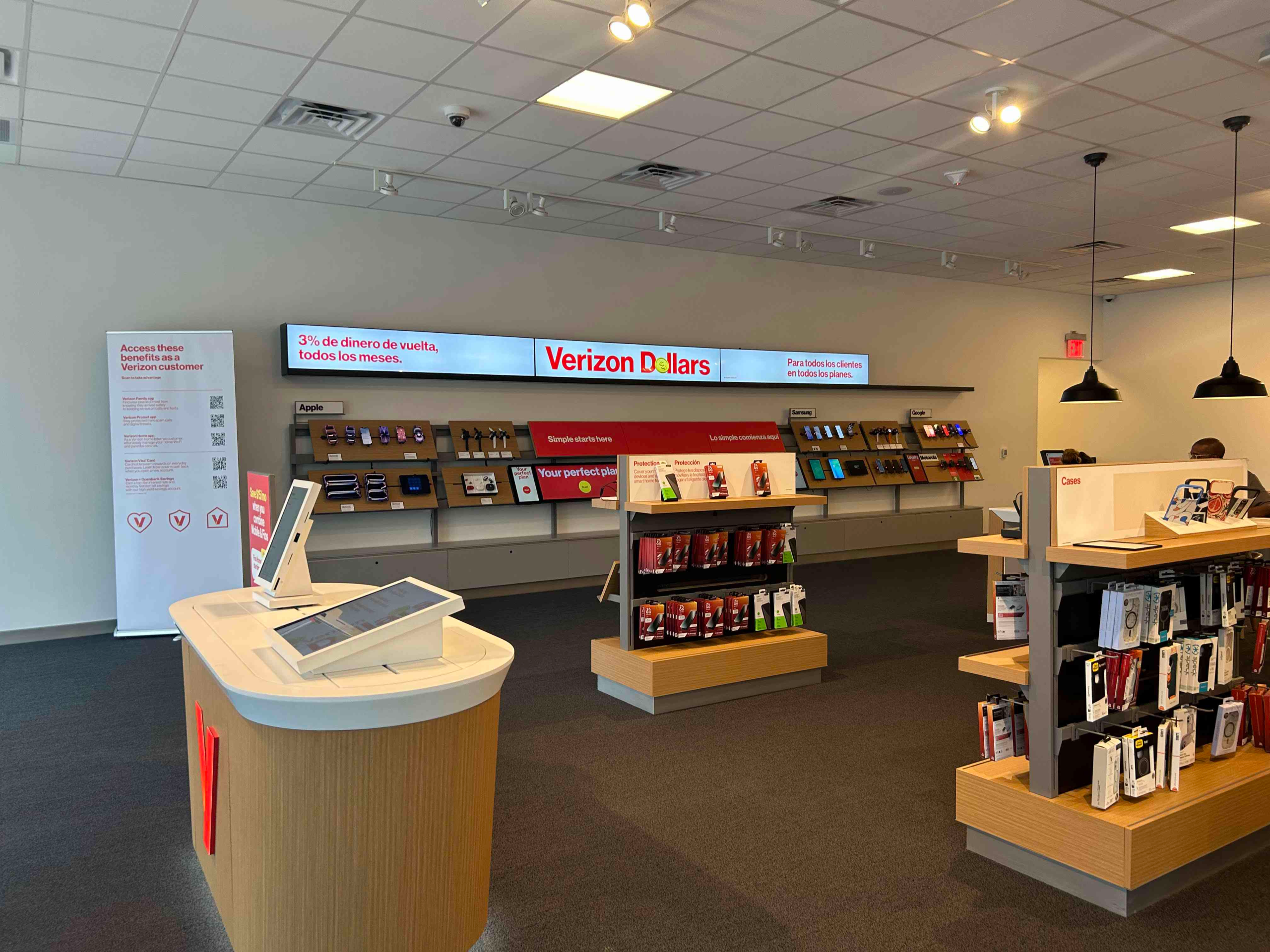
On Tuesday afternoon, we did make a trip into Fredericksburg to visit Verizon. We have to change cell phone carriers soon, and since we would not be back in our normal carrier’s area for them to assist with the migration, we needed to start working on a plan. What a chore.
Cell phone service is one of those things that becomes even more important when you live and work from the road. It is not just about having a phone. It is work, navigation, reservations, research, family, photos, maps, and staying connected. Changing carriers while traveling adds a whole extra layer of fun, if you want to call it that.
We can say that our representative, Reginald, was the best. His past jobs, including doing reefer hauls, selling HughesNet, and several others, along with the fact that he also camps full time, made for some good conversation while we researched our options. If you need Verizon services or goods and are in the area, hit us up. We have a direct line to great service.
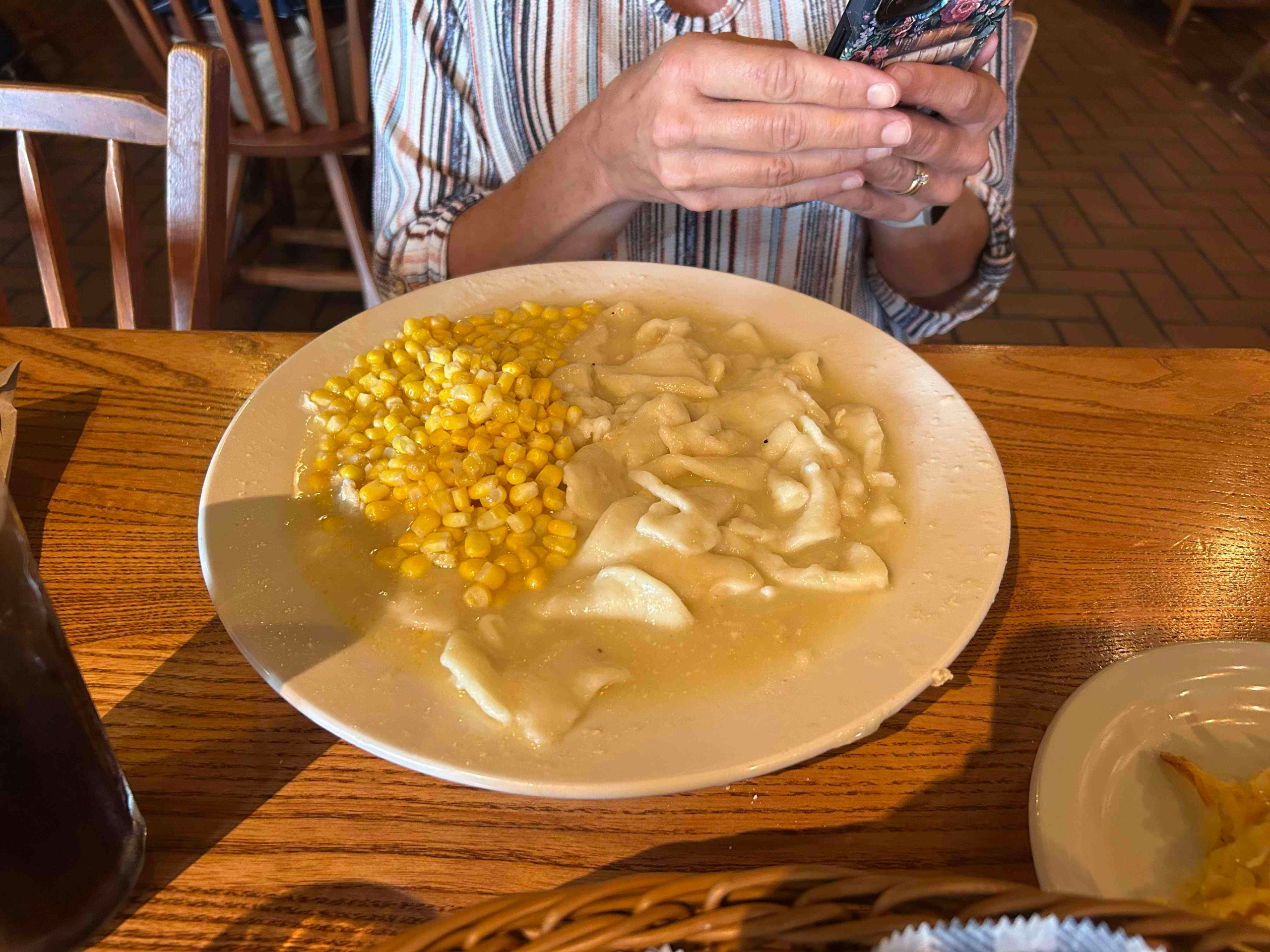
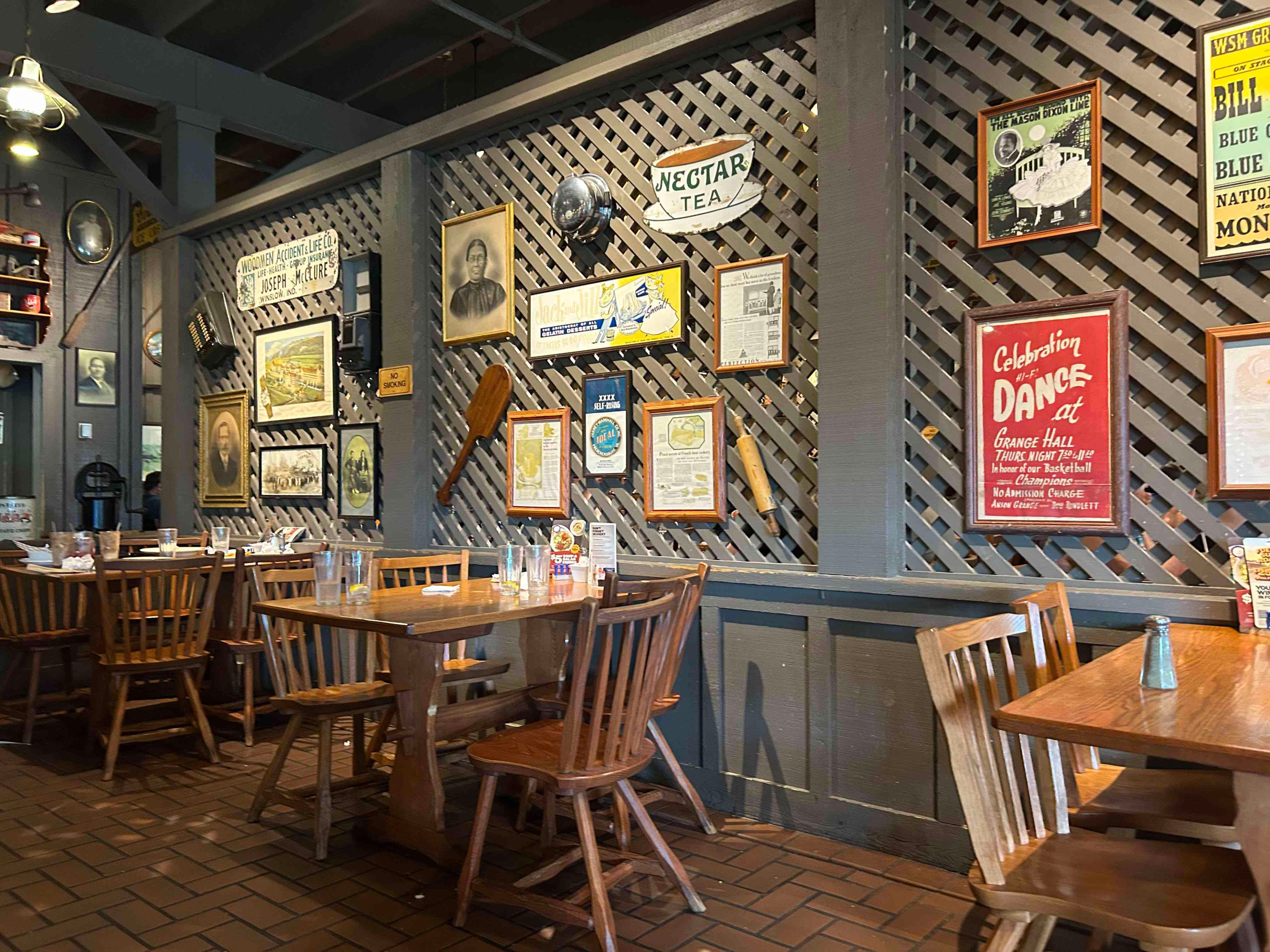
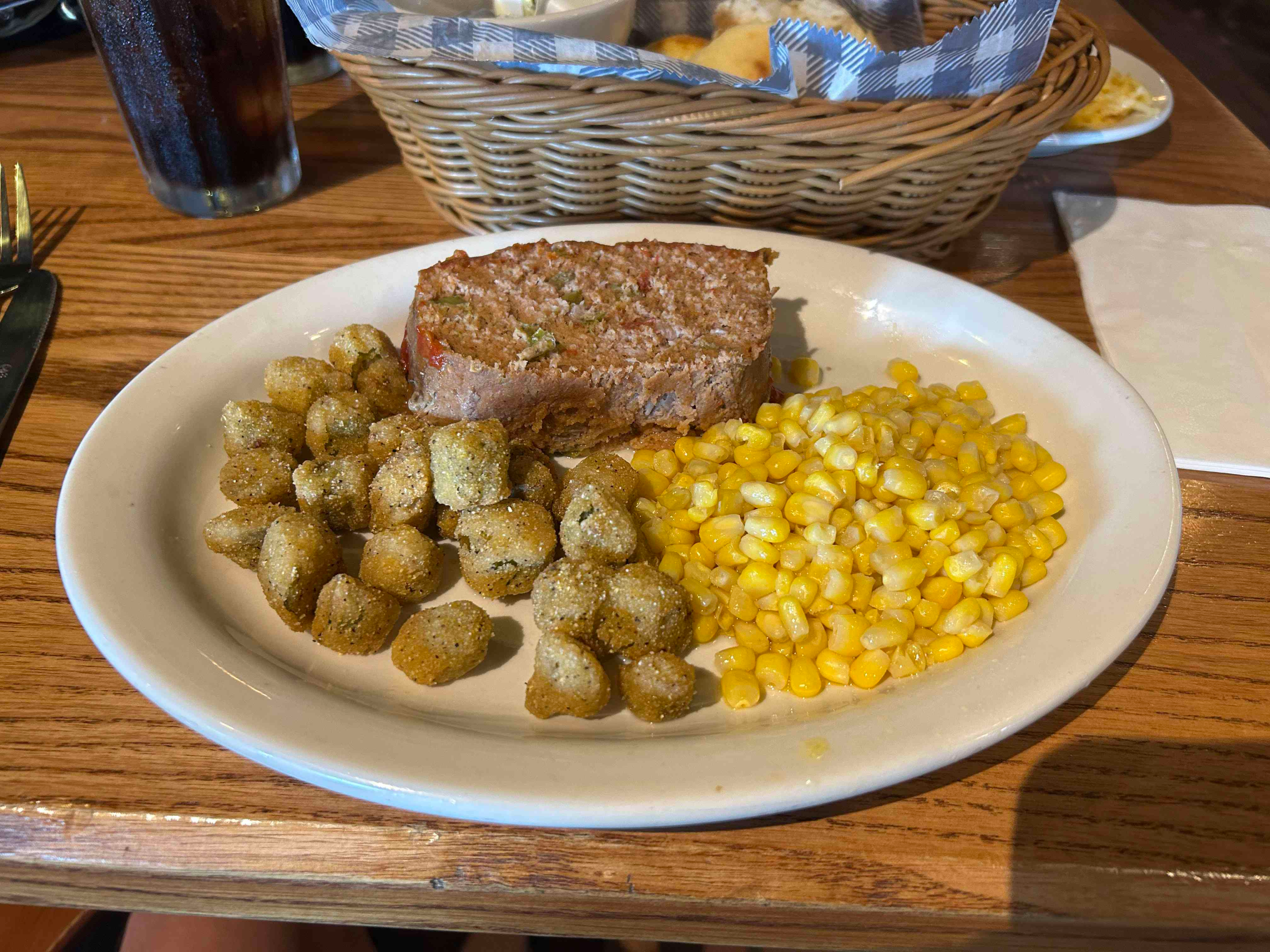
After our Verizon stop, we had dinner at Cracker Barrel before heading back to camp. We like Cracker Barrel, and since we have had them do a couple of large catering jobs for us, we have plenty of “Pegs” to spend on meals and items from the store. This particular one was not our favorite visit, but we left full after eating what they brought us instead of what we ordered.
Oh well.
The lady at the register asked how everything was, and when I told her my honest thoughts, her response was, “Well, at least it only cost you $8.” She did not get that I had spent plenty of money earning my free meal. We will try again since we still have 500 Pegs in our account and should for a while.
Wednesday, July 8, 2026: We headed back to the Museum of the Bible to finish the last two floors we had missed: Floor 3, “Narratives of the Bible,” and Floor 4, “History of the Bible.”
The Narratives of the Bible floor was more interactive and visual. This floor was designed to bring Bible stories to life through immersive exhibits and walk-through experiences. It included the Hebrew Bible Experience, a walk through a recreated Middle Eastern village called the World of Jesus of Nazareth, and theaters showing scenes from Jesus’ ministry in the New Testament.
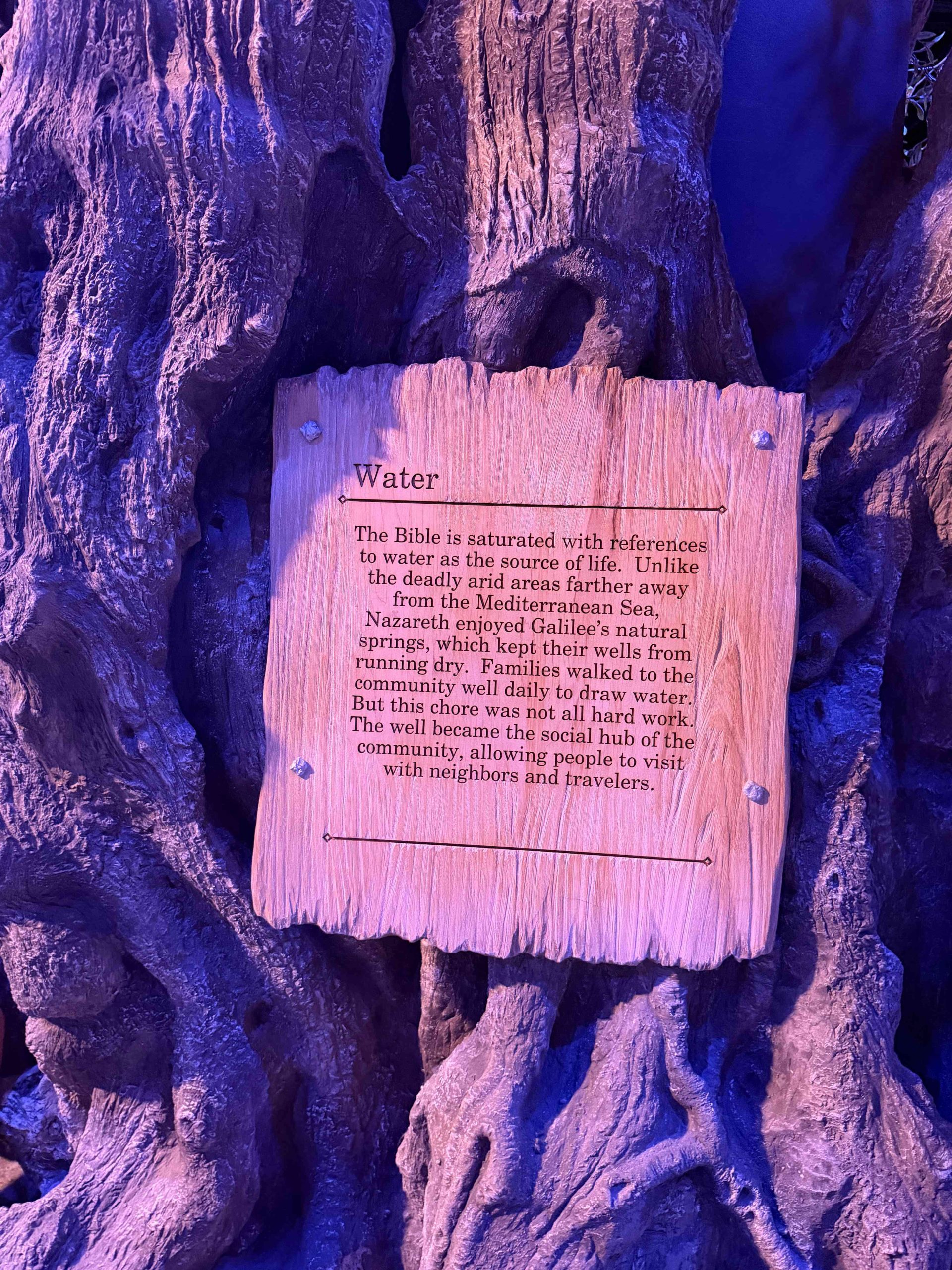
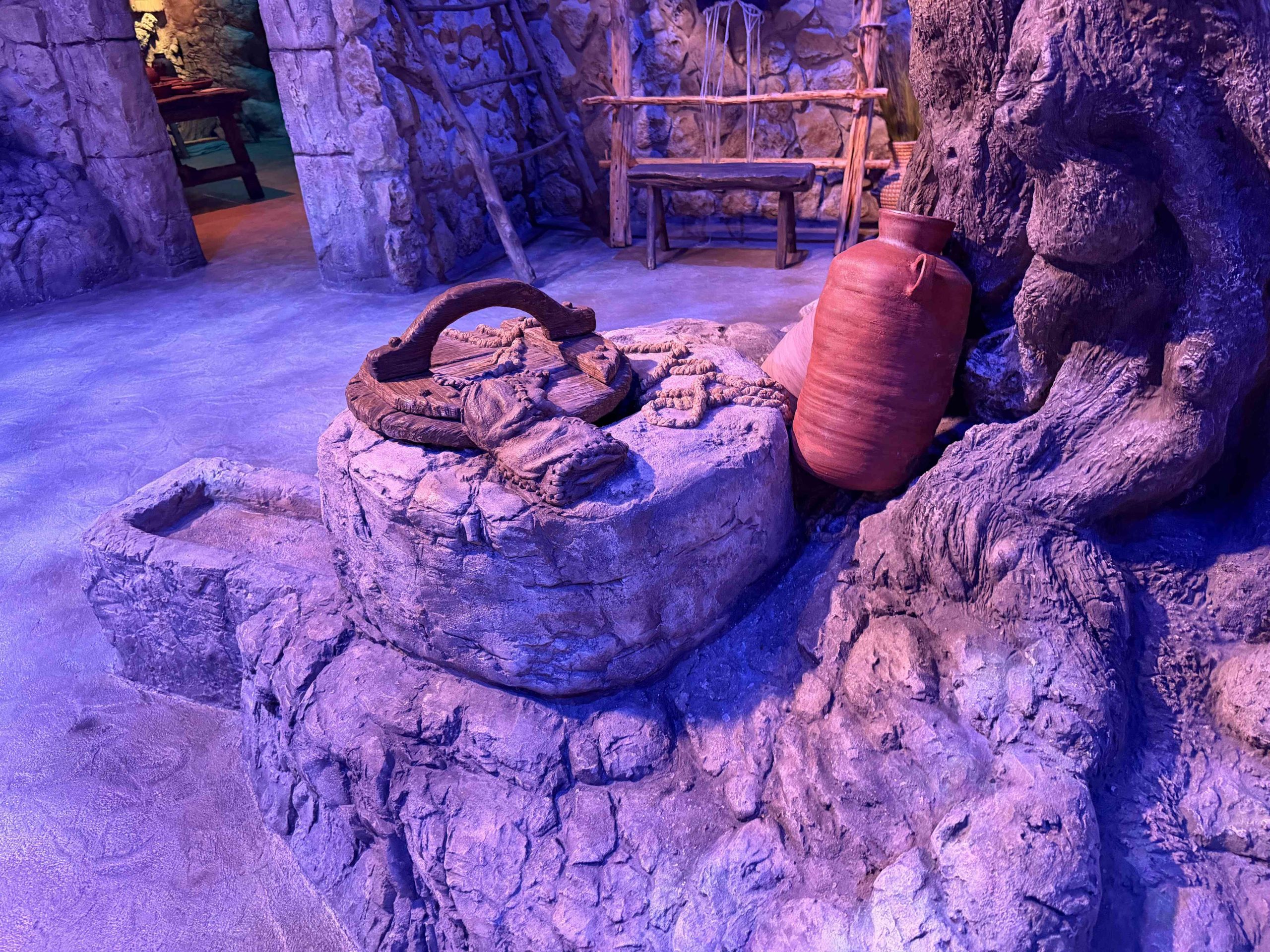
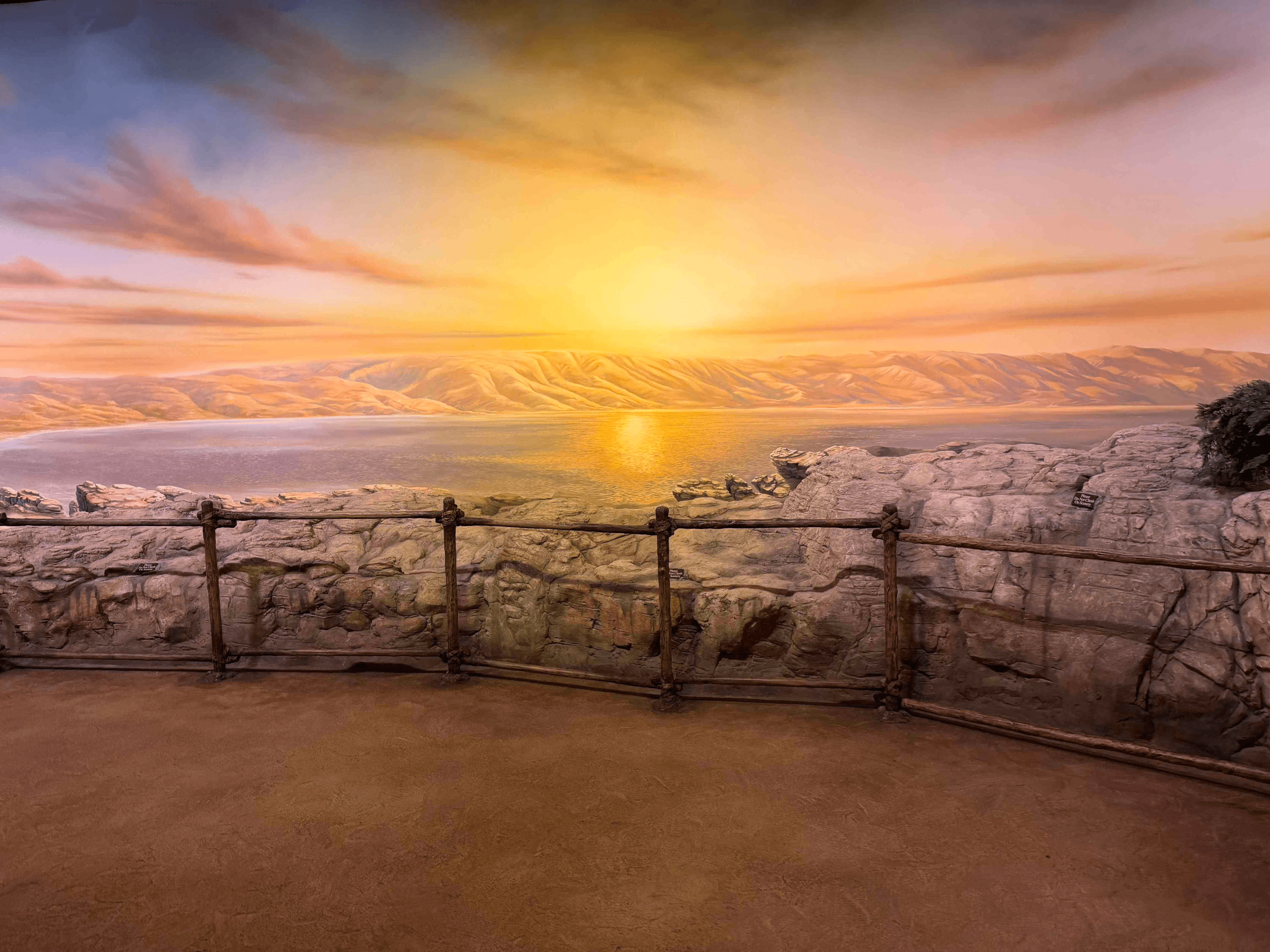
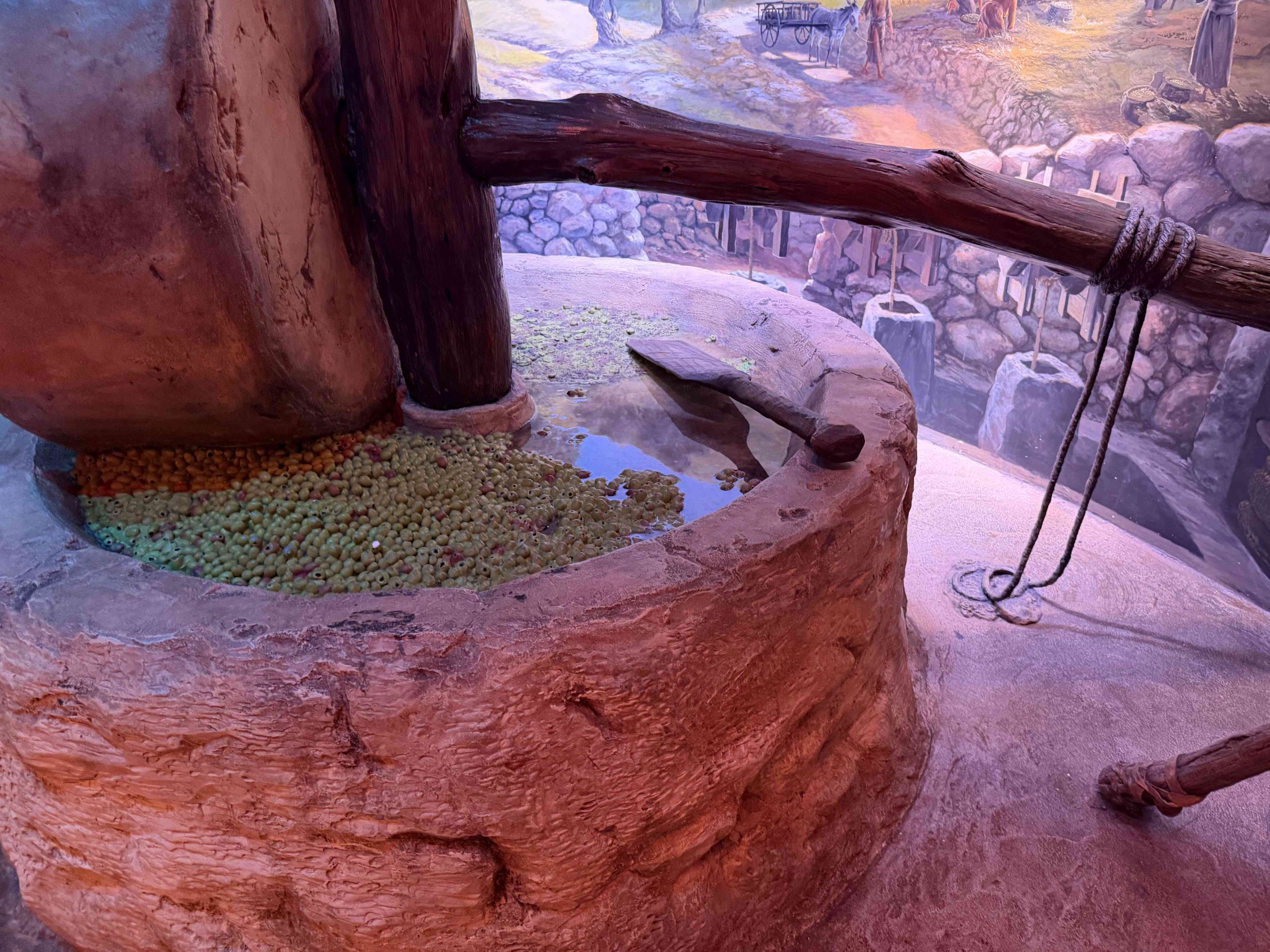
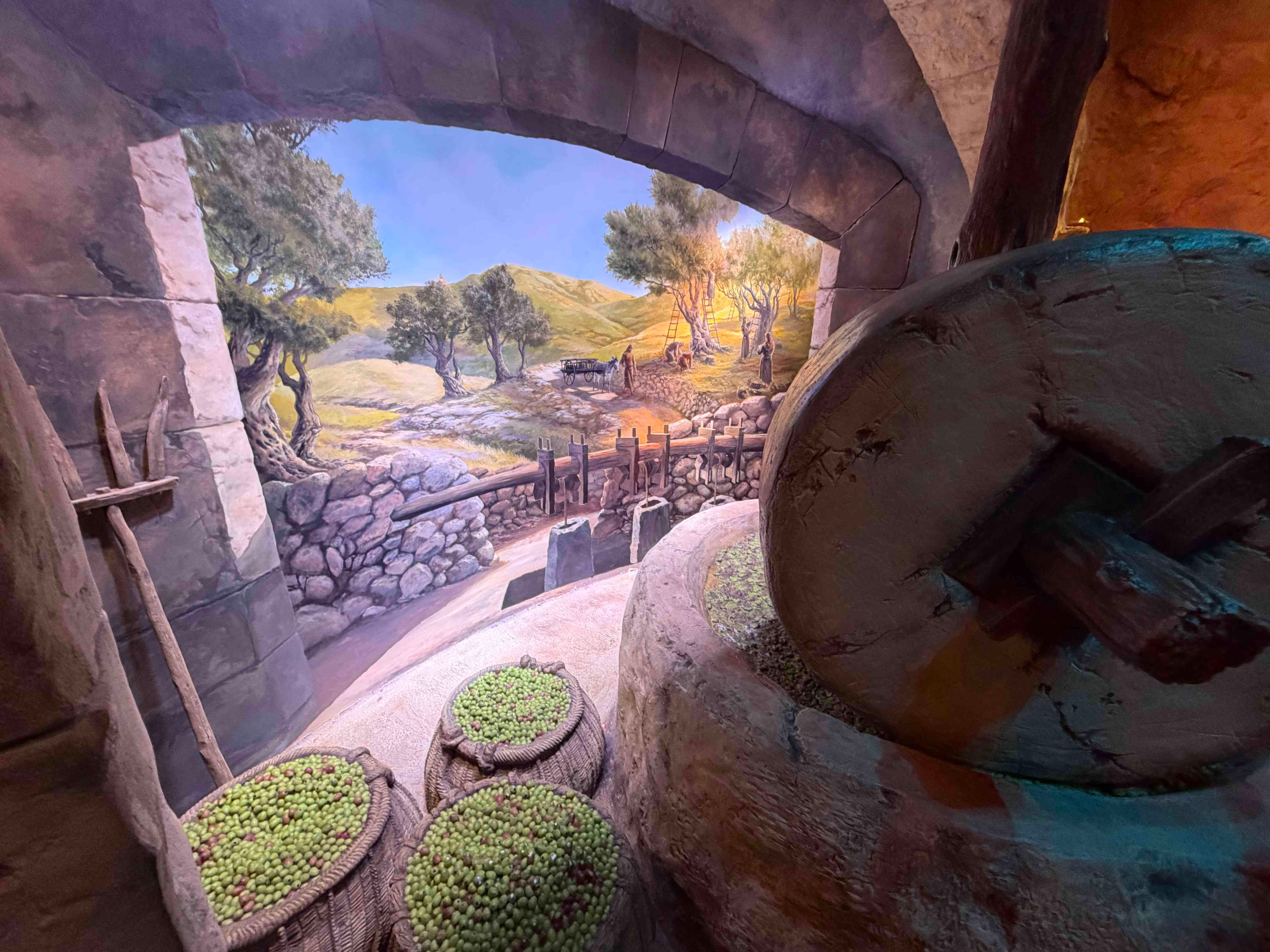
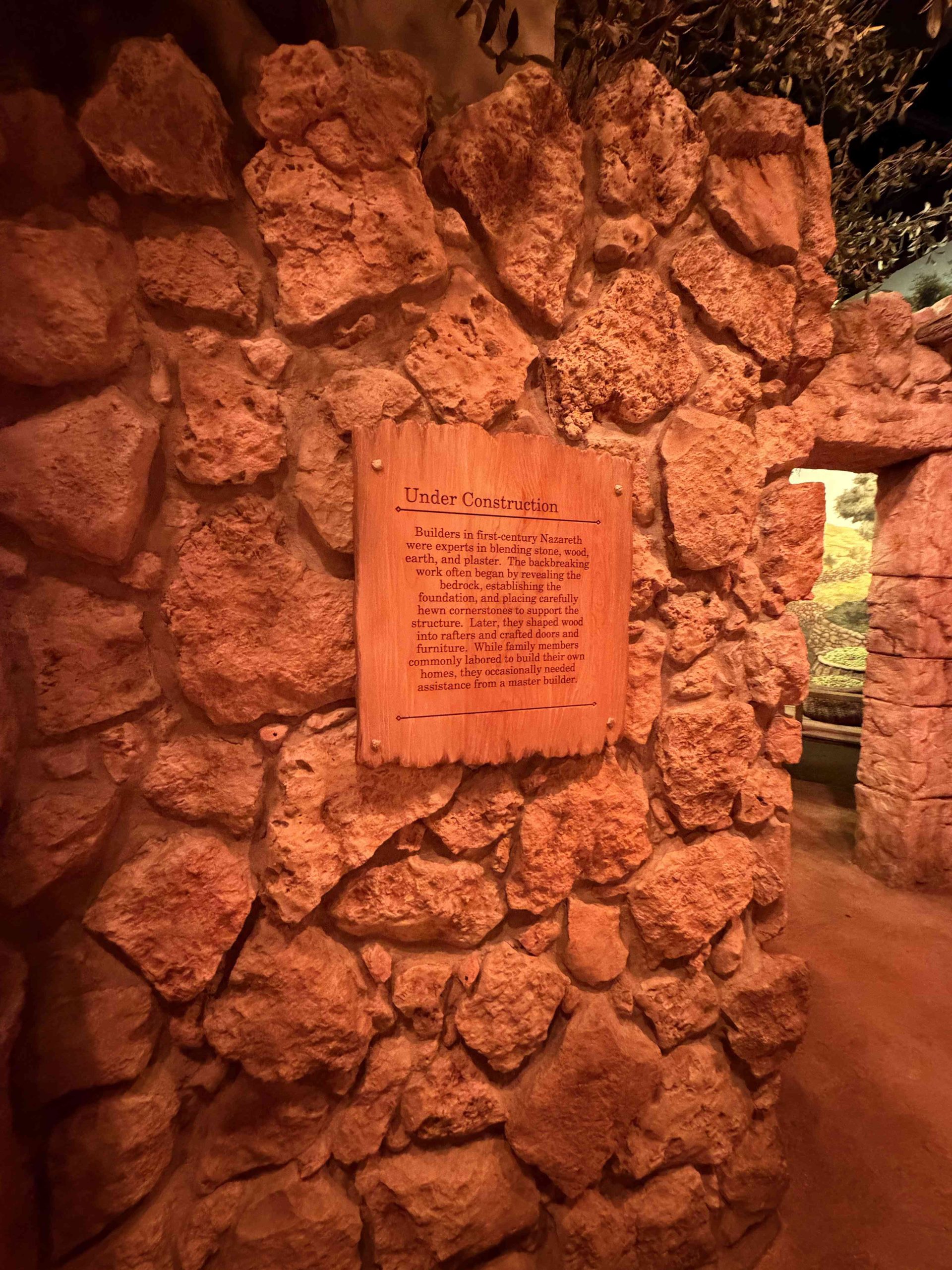
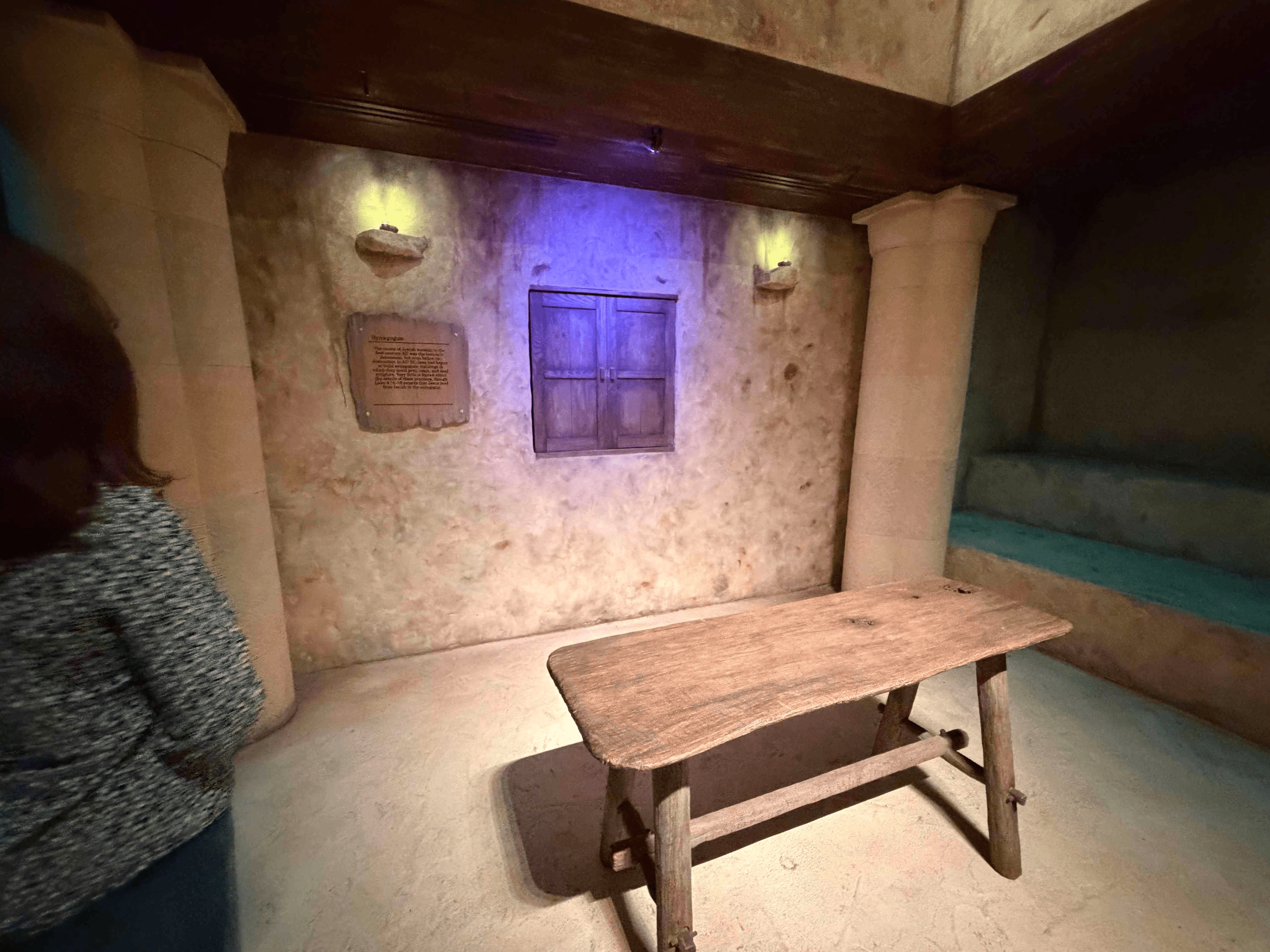
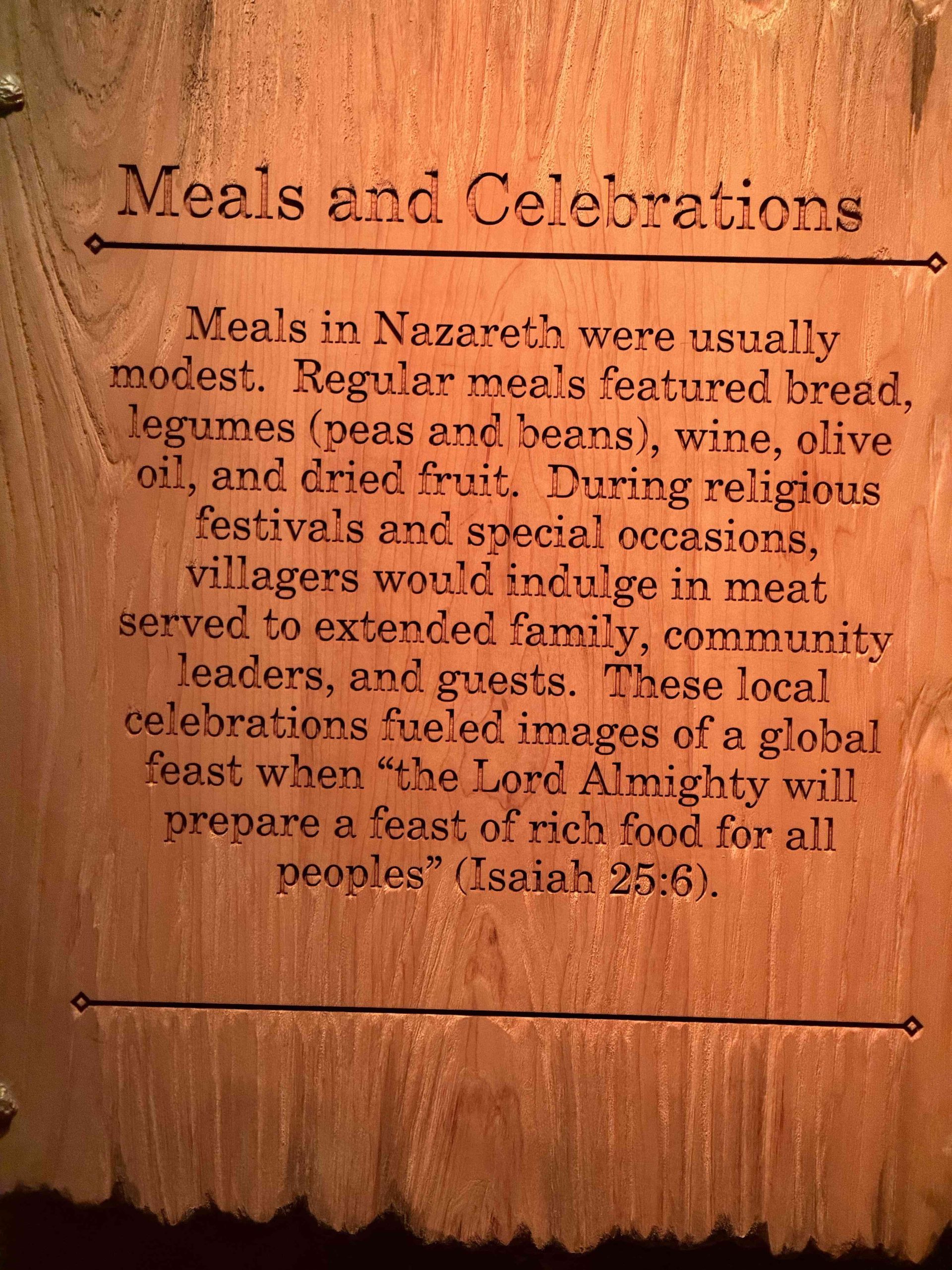
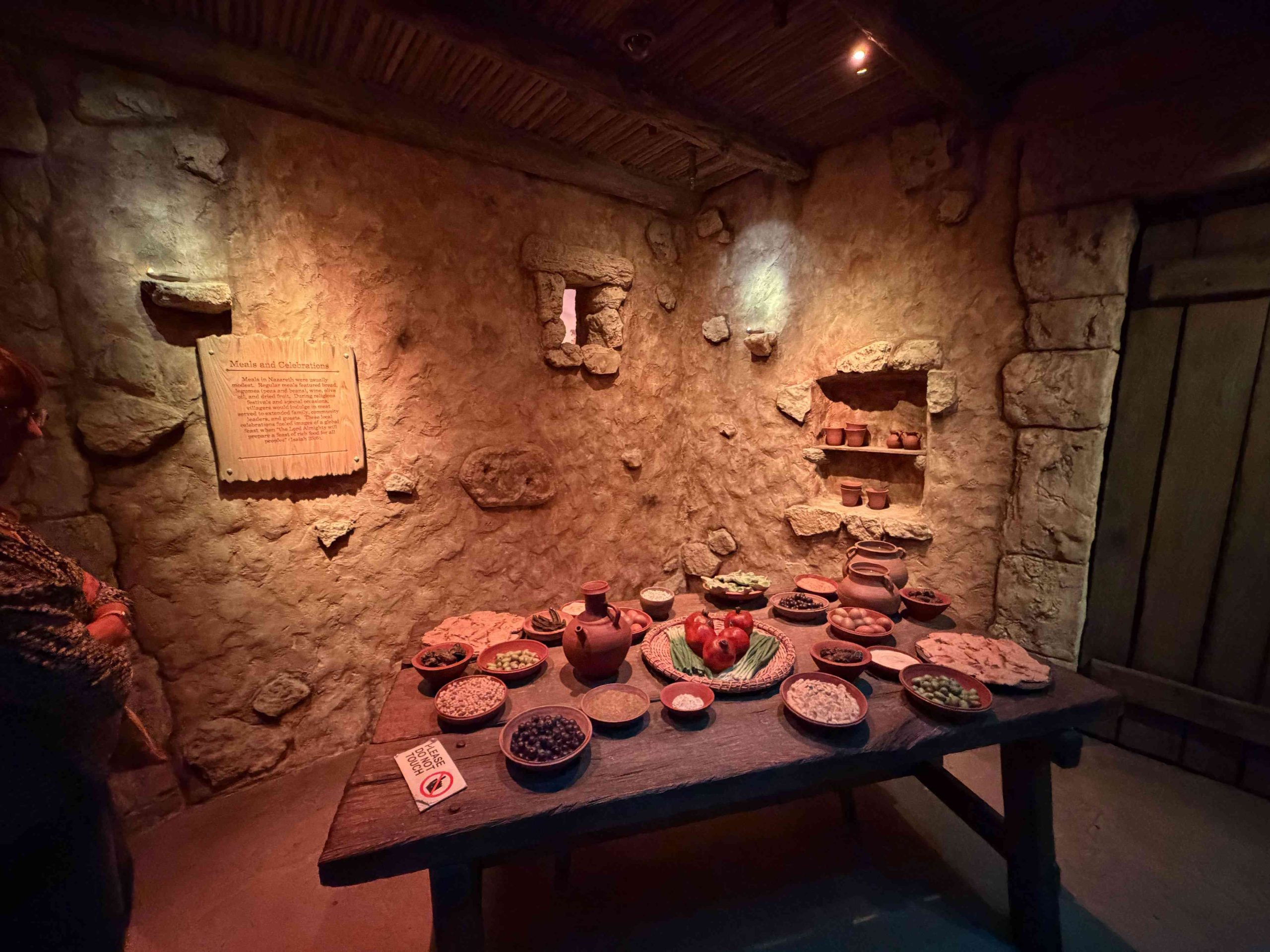
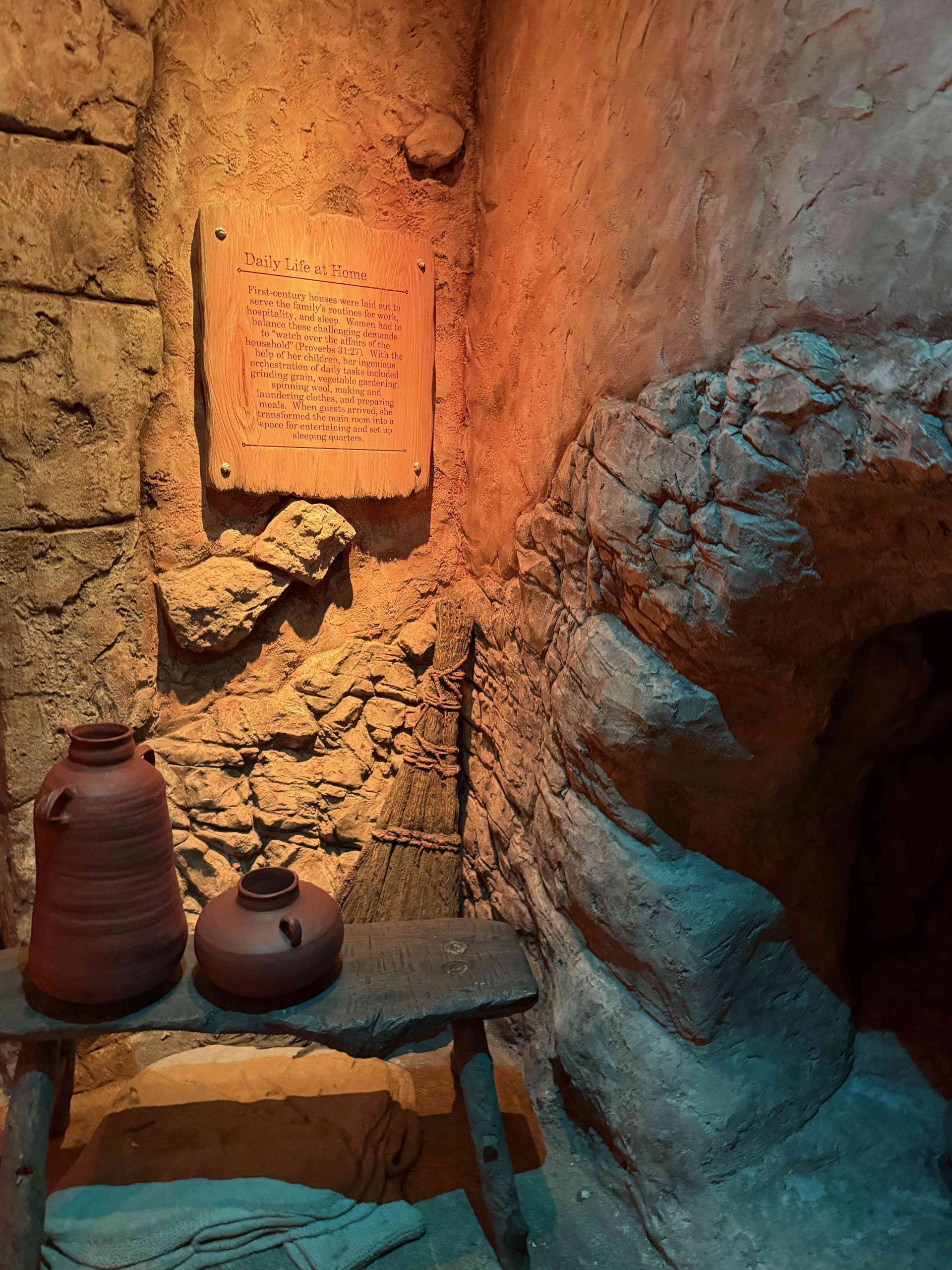
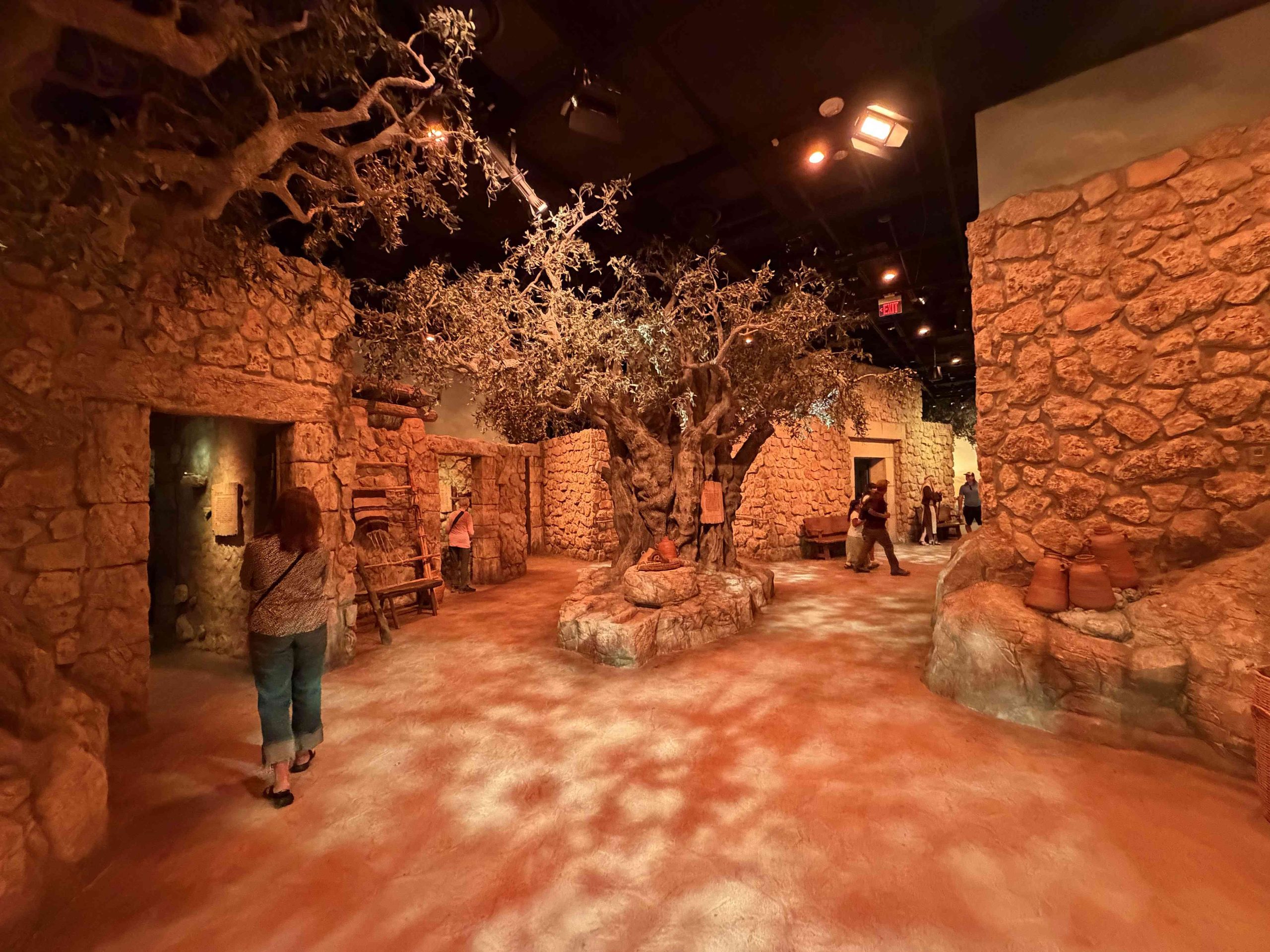
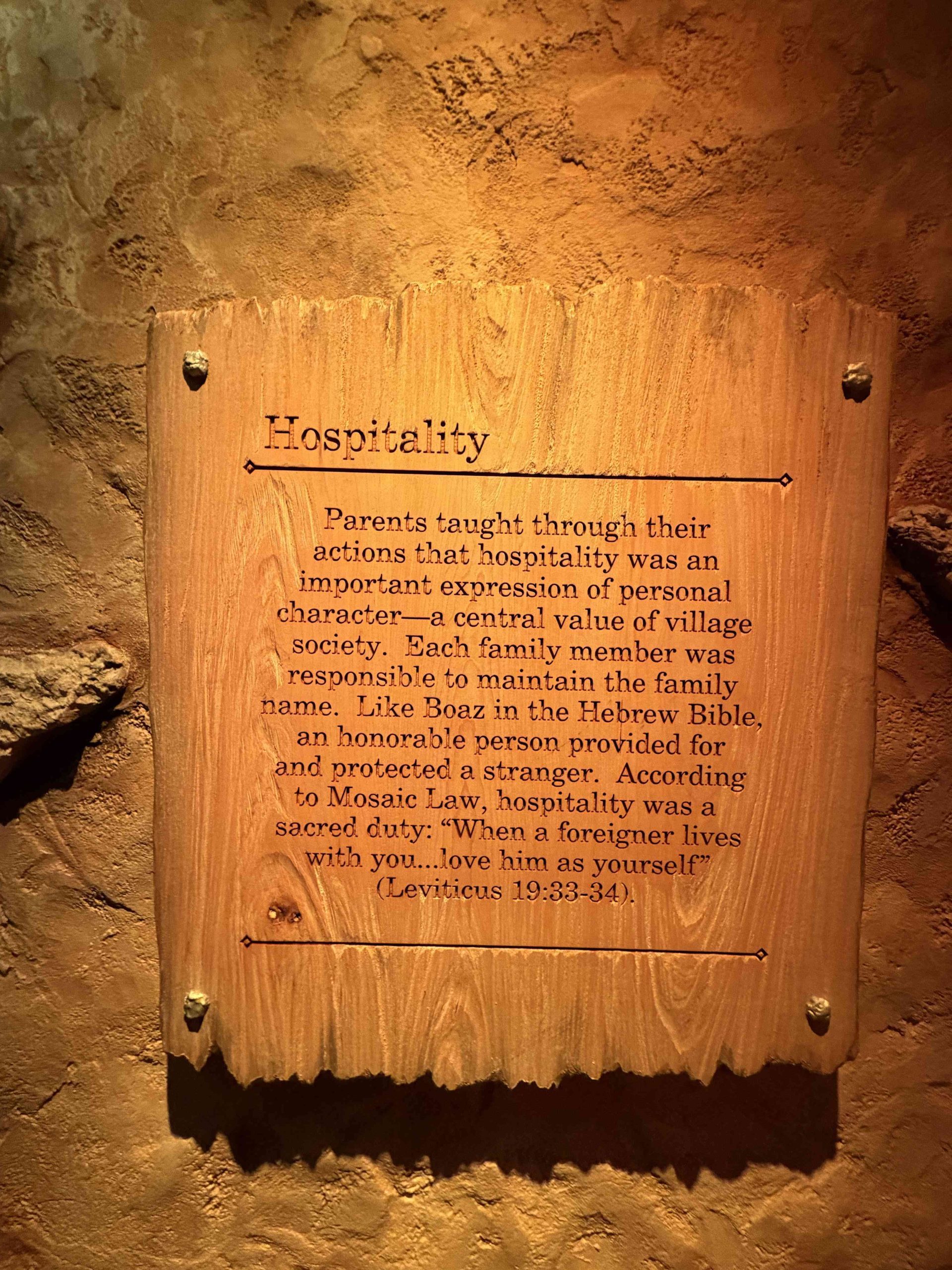
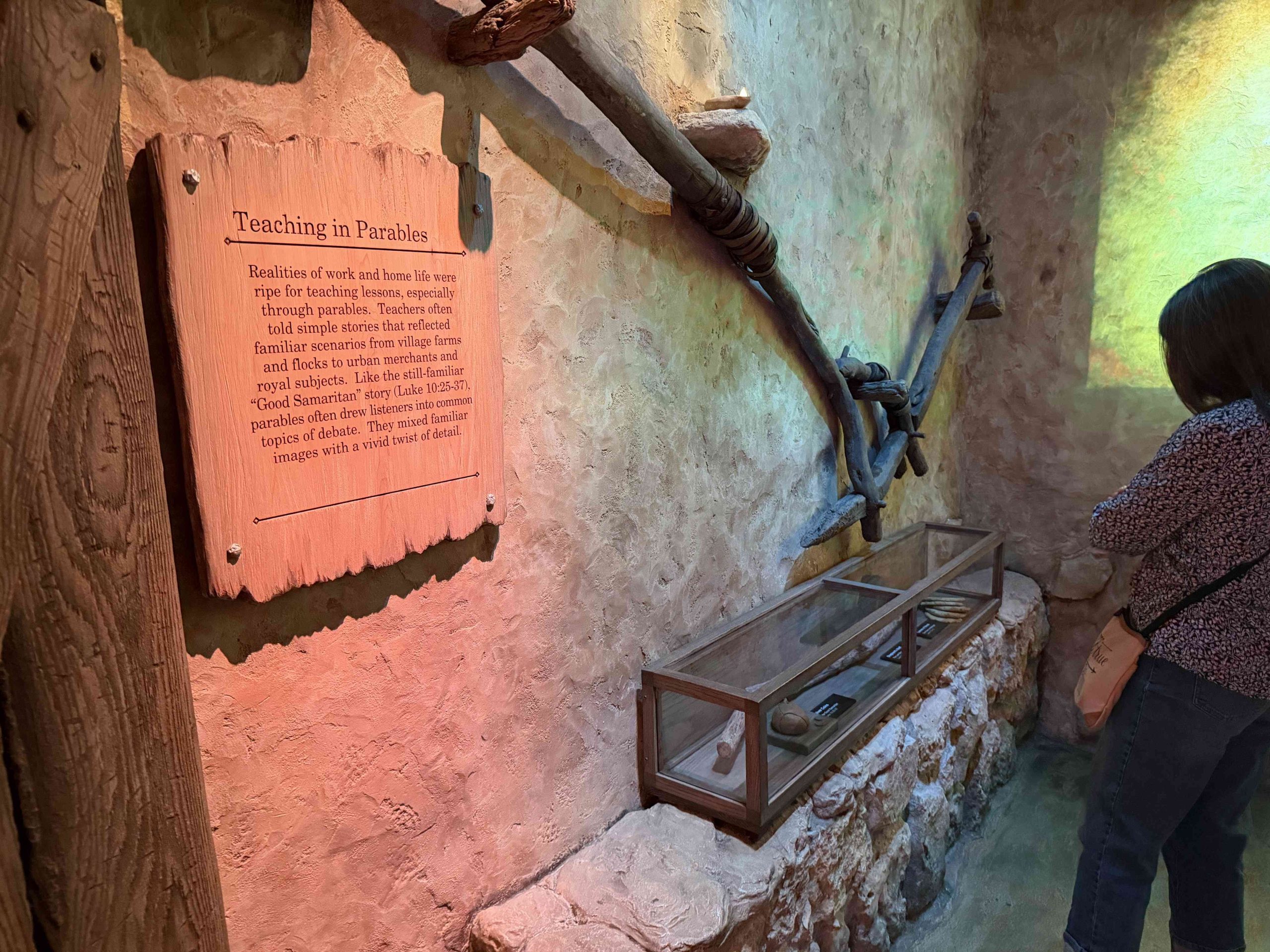
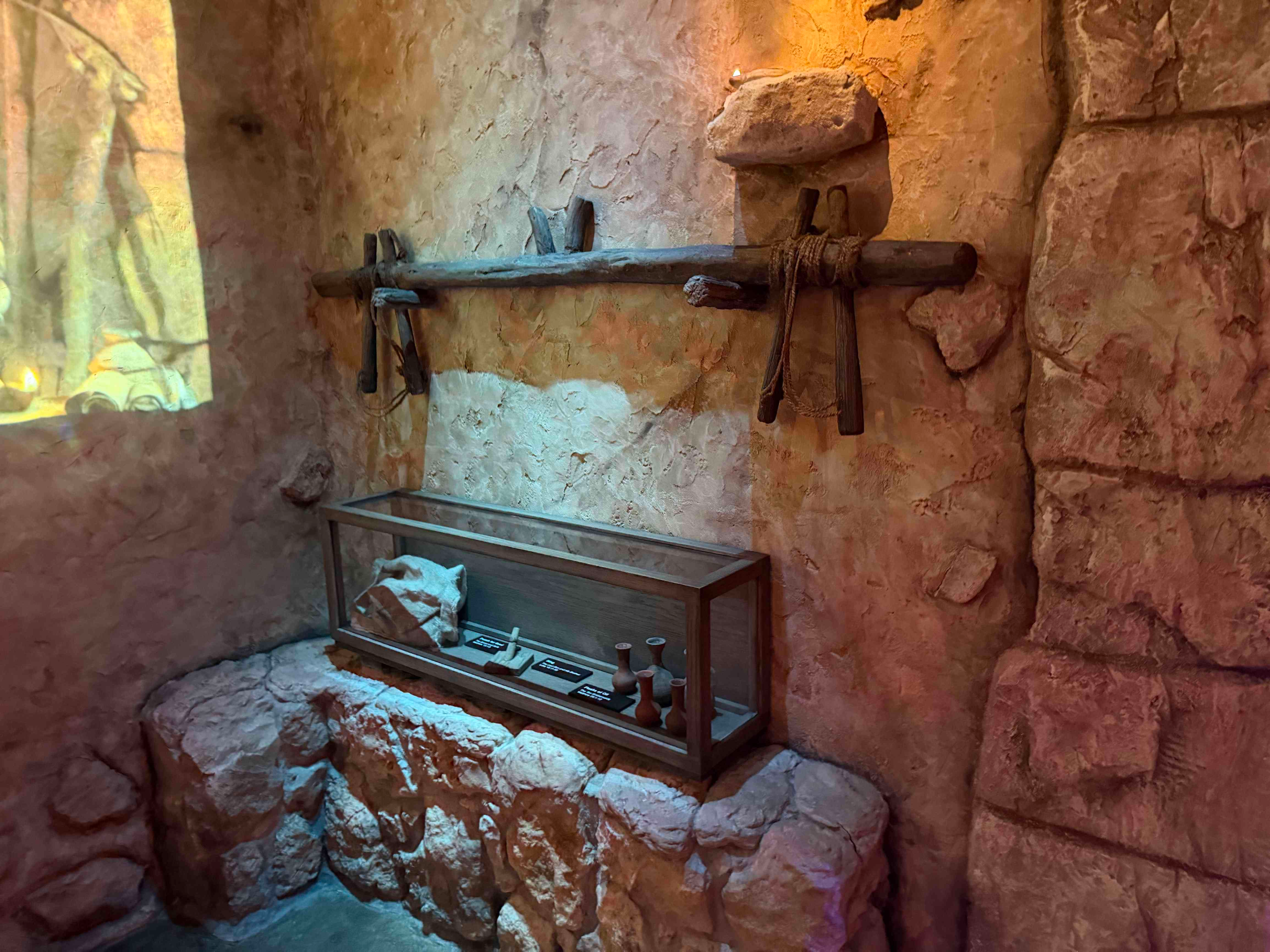
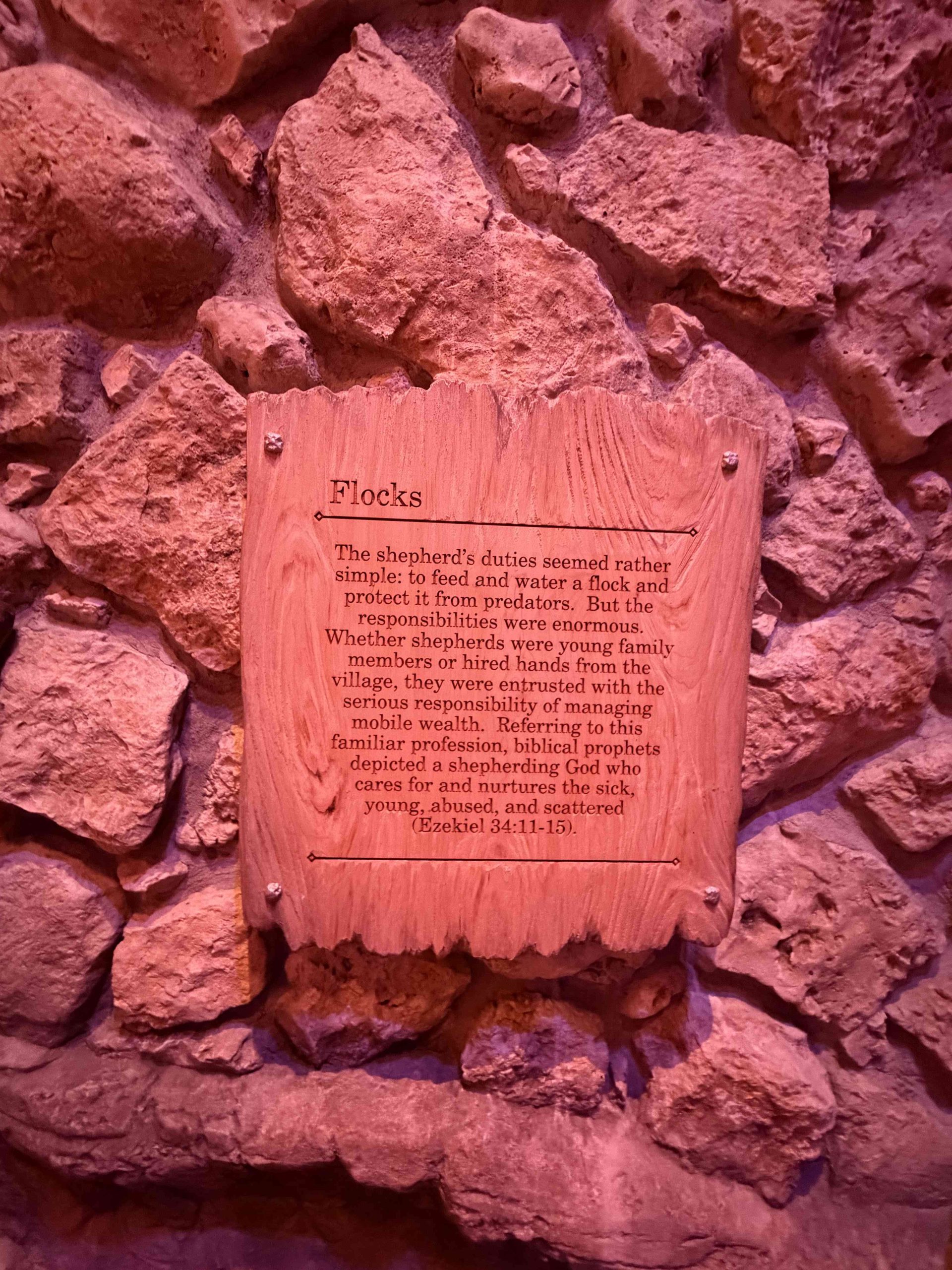
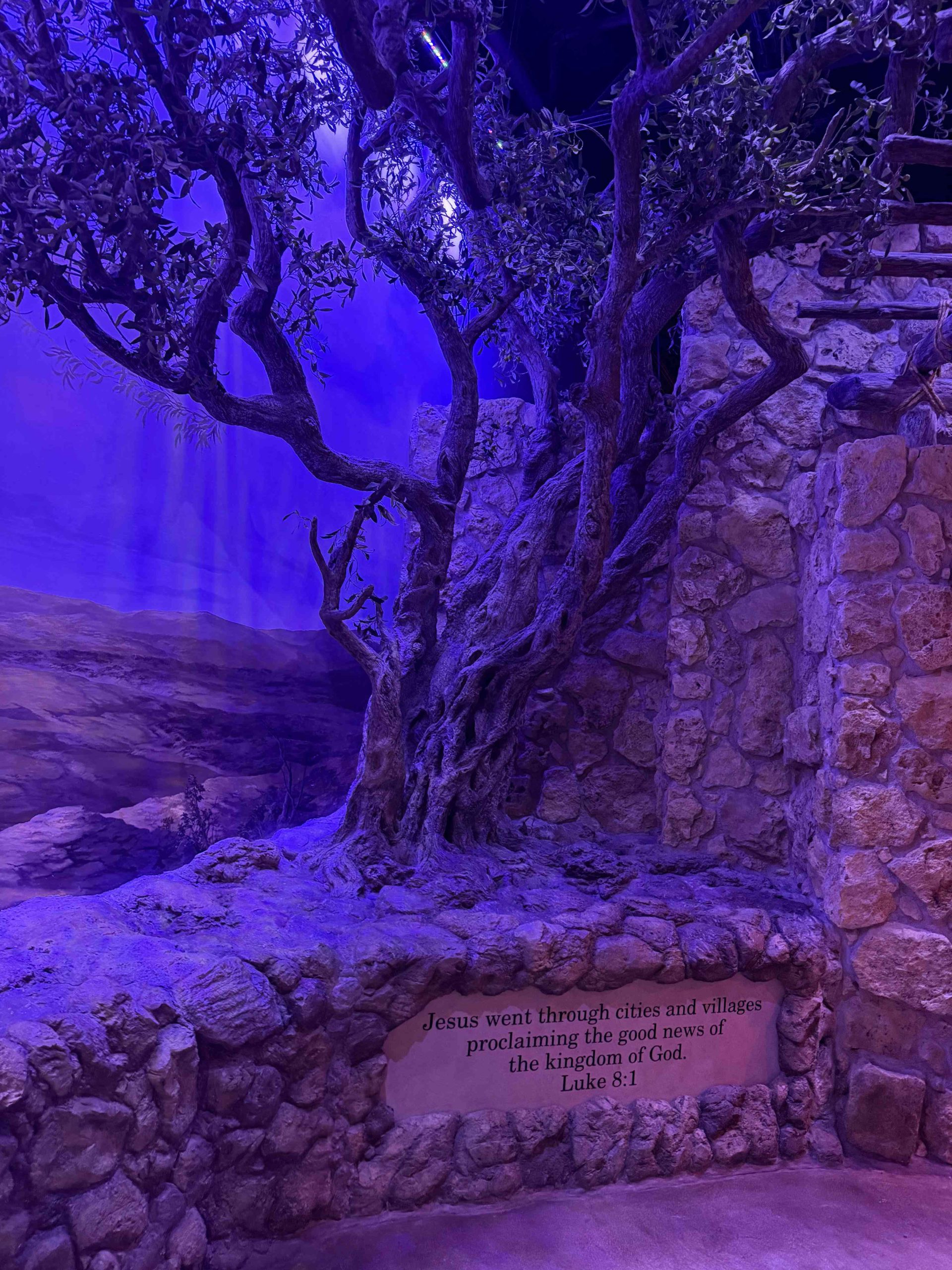
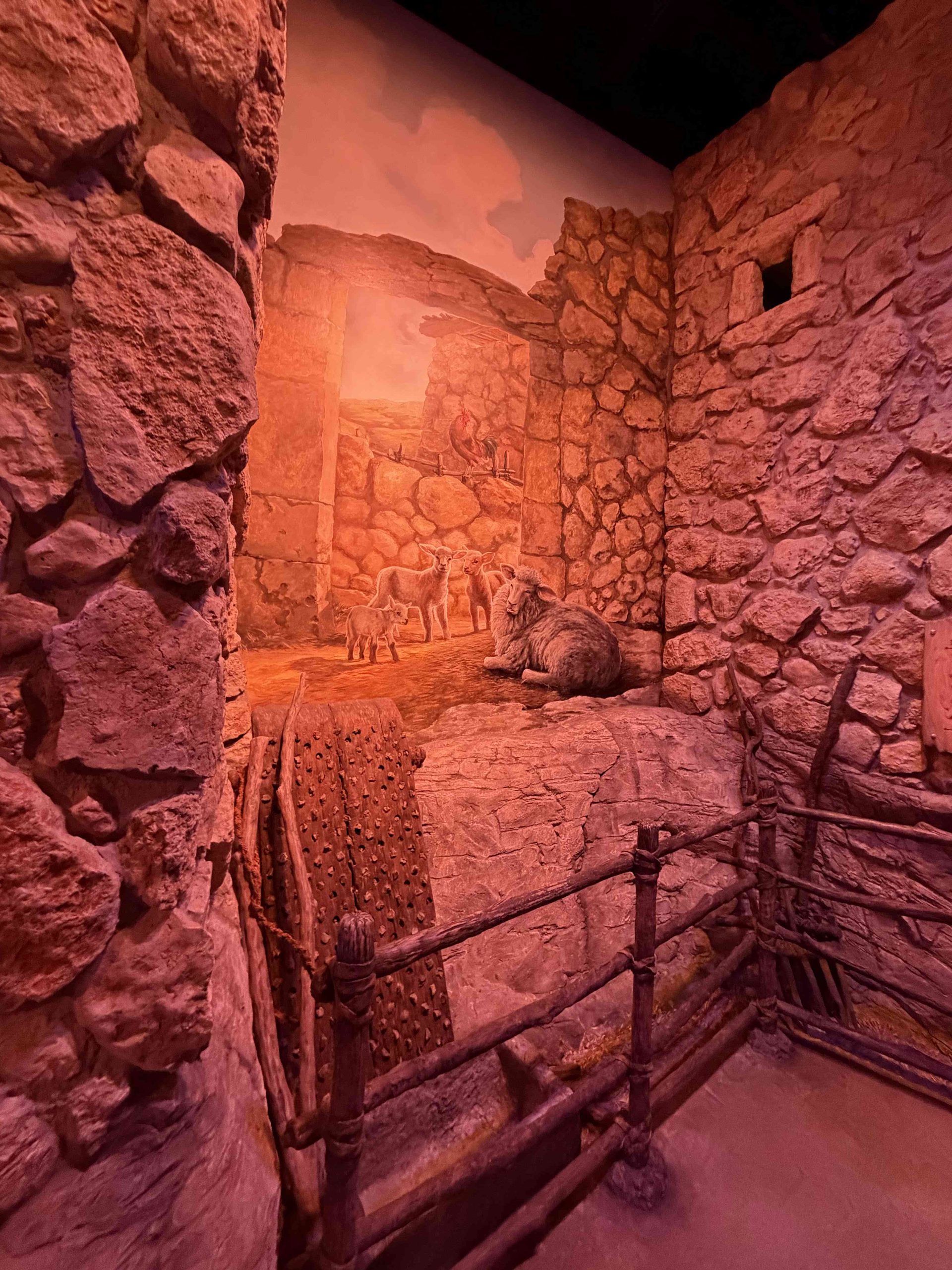
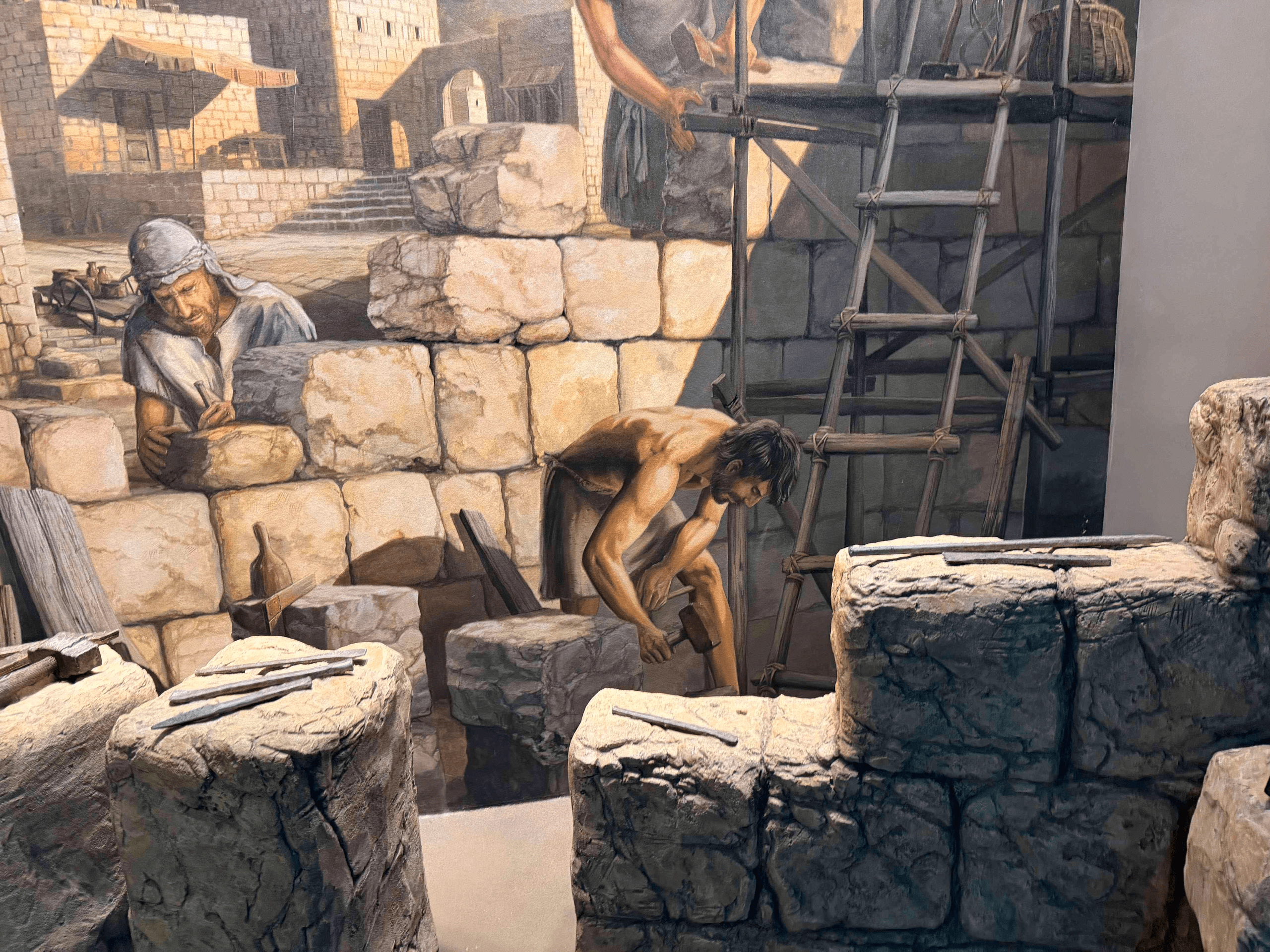
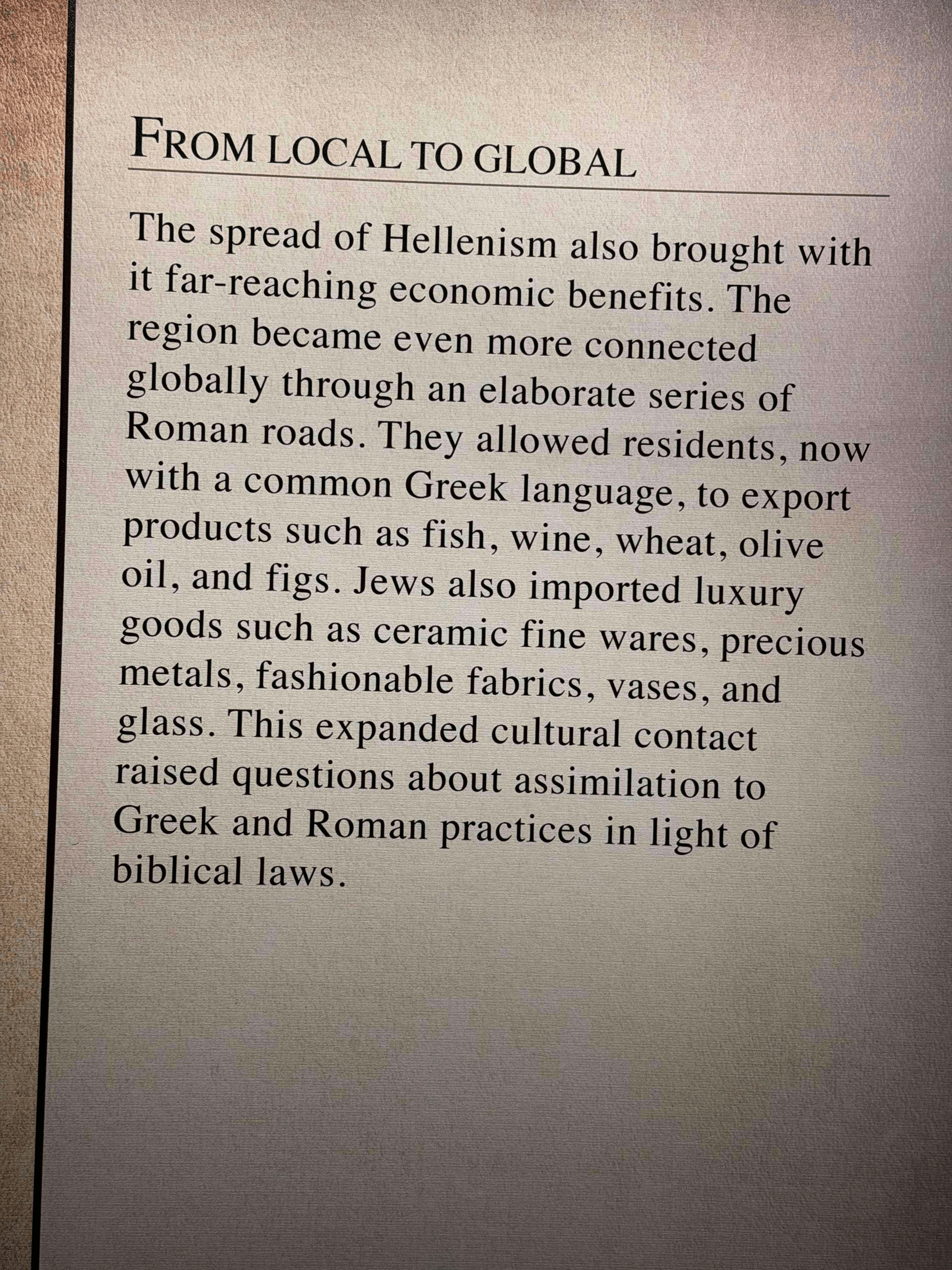
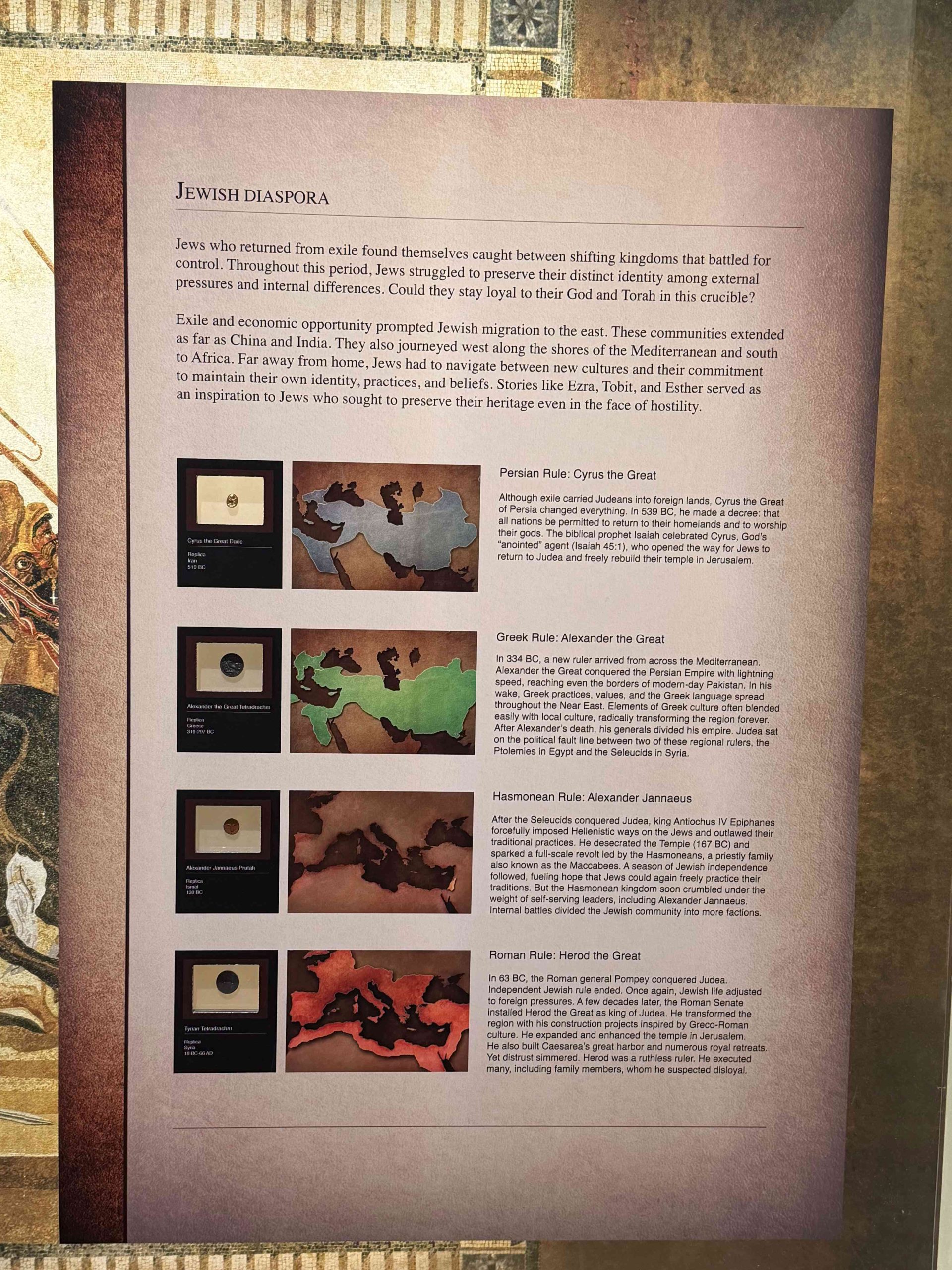
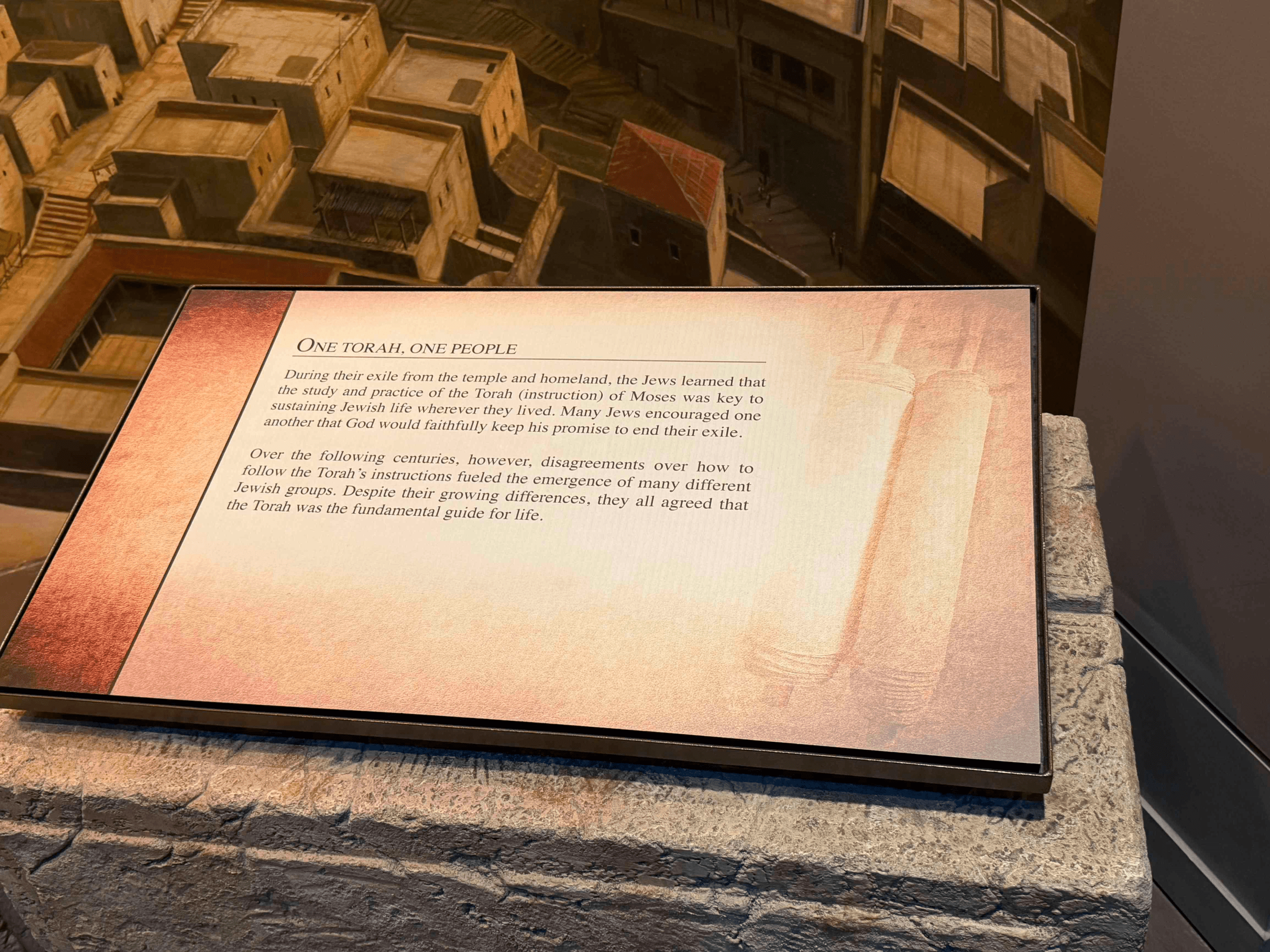
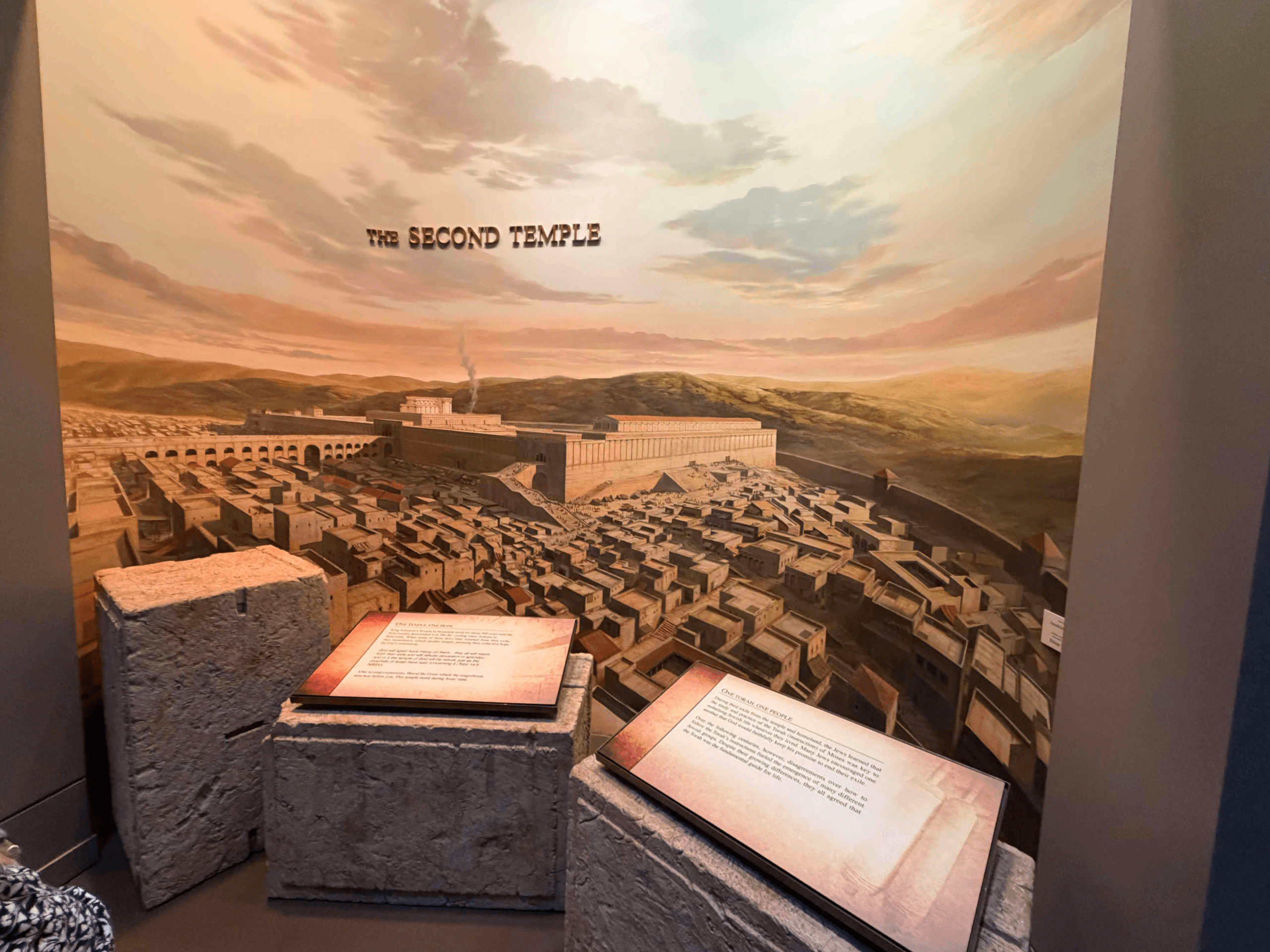
This floor had a very different feel from the History of the Bible floor. Instead of focusing mainly on manuscripts, translations, and preservation, it was built around story, setting, and experience. It helped connect the text to places, people, and daily life.
We paused for a quick lunch at the cafe on the first floor where it mainly grab and go. A good, quick meal to get us back for the final video segment of the interactive sections.
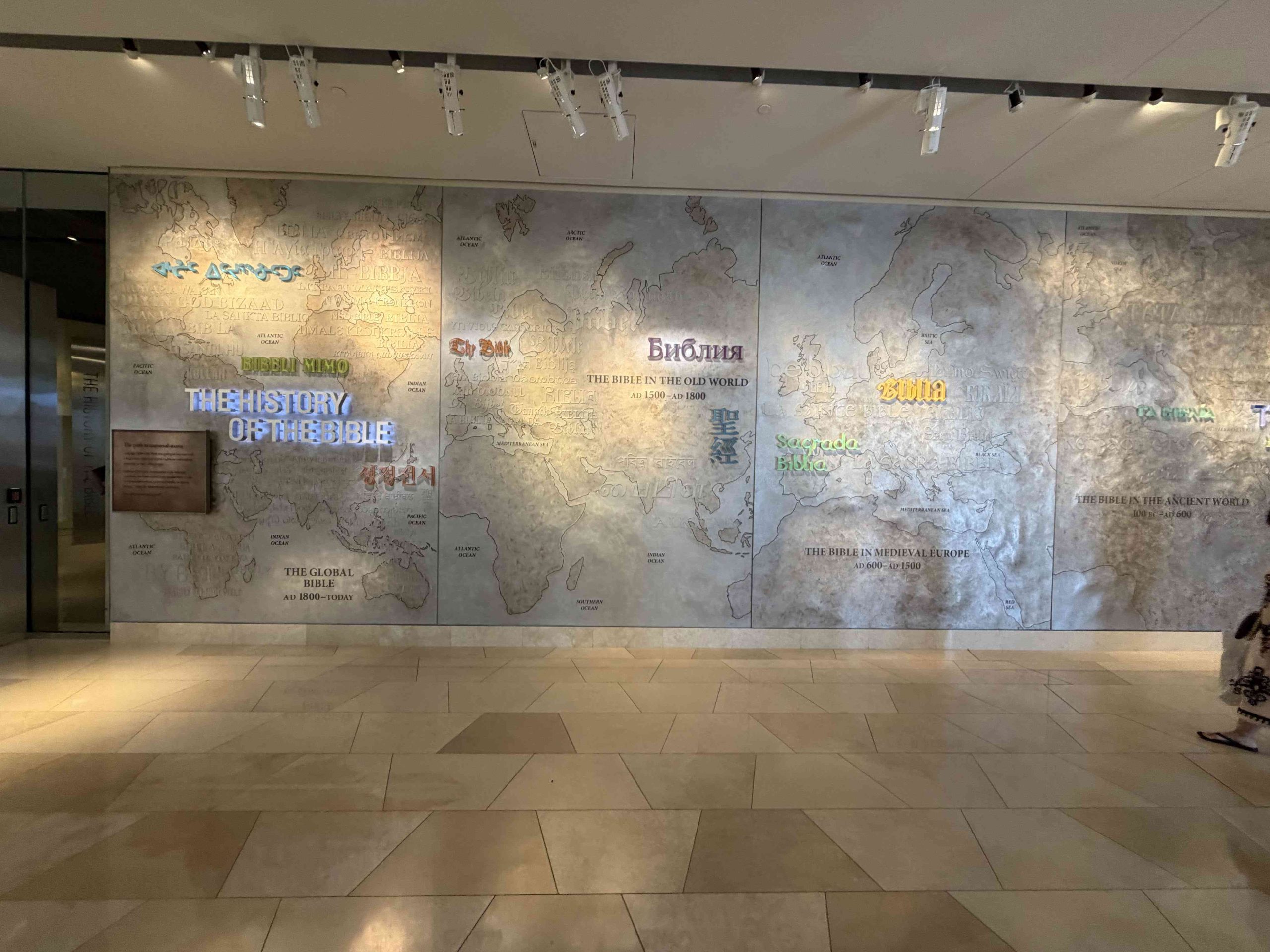
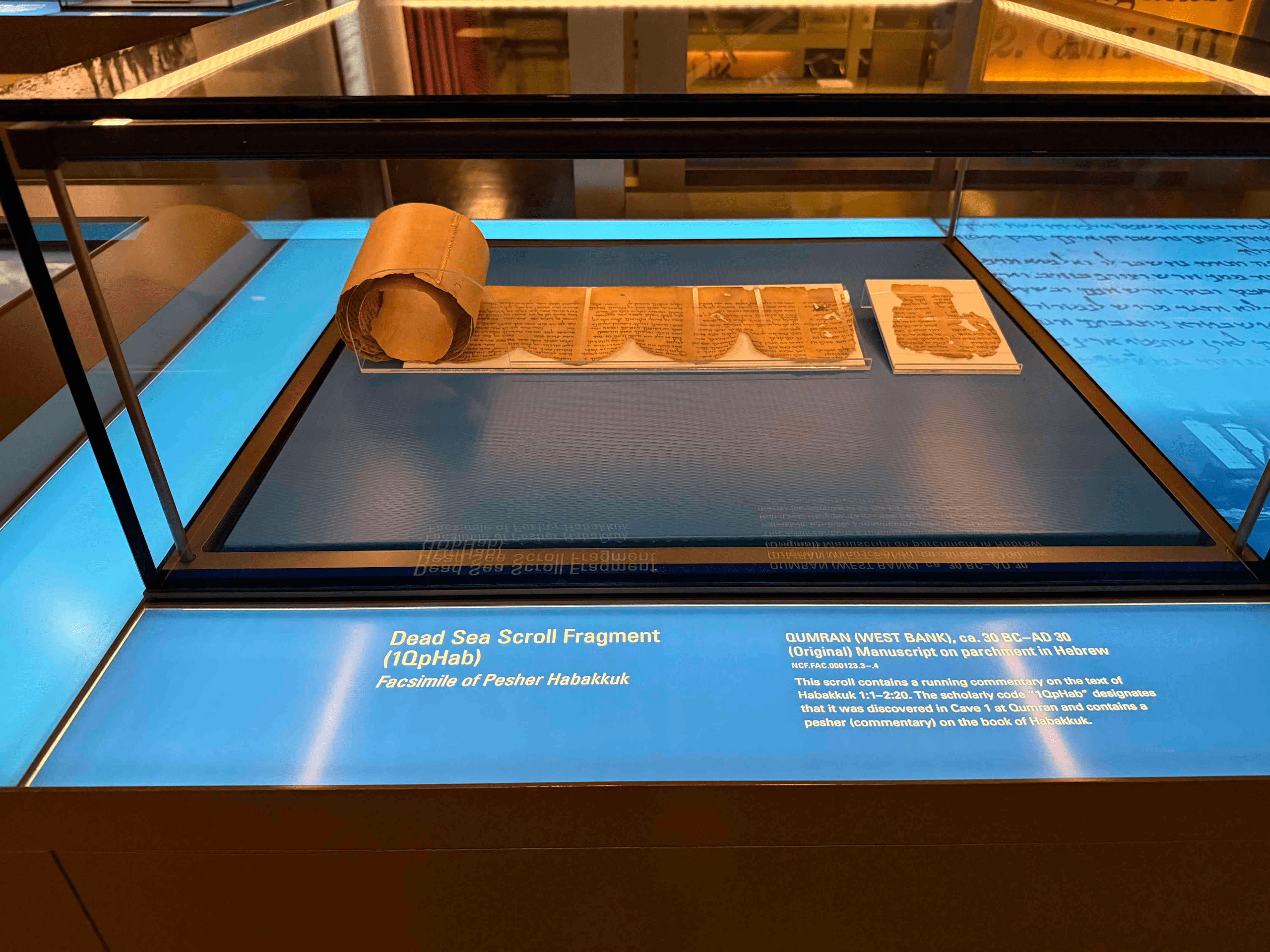
The History of the Bible floor was filled with versions of the Bible from the earliest ages through modern and even digital versions. Each area described in detail how different versions were created, preserved, translated, and shared, along with who they were created for.
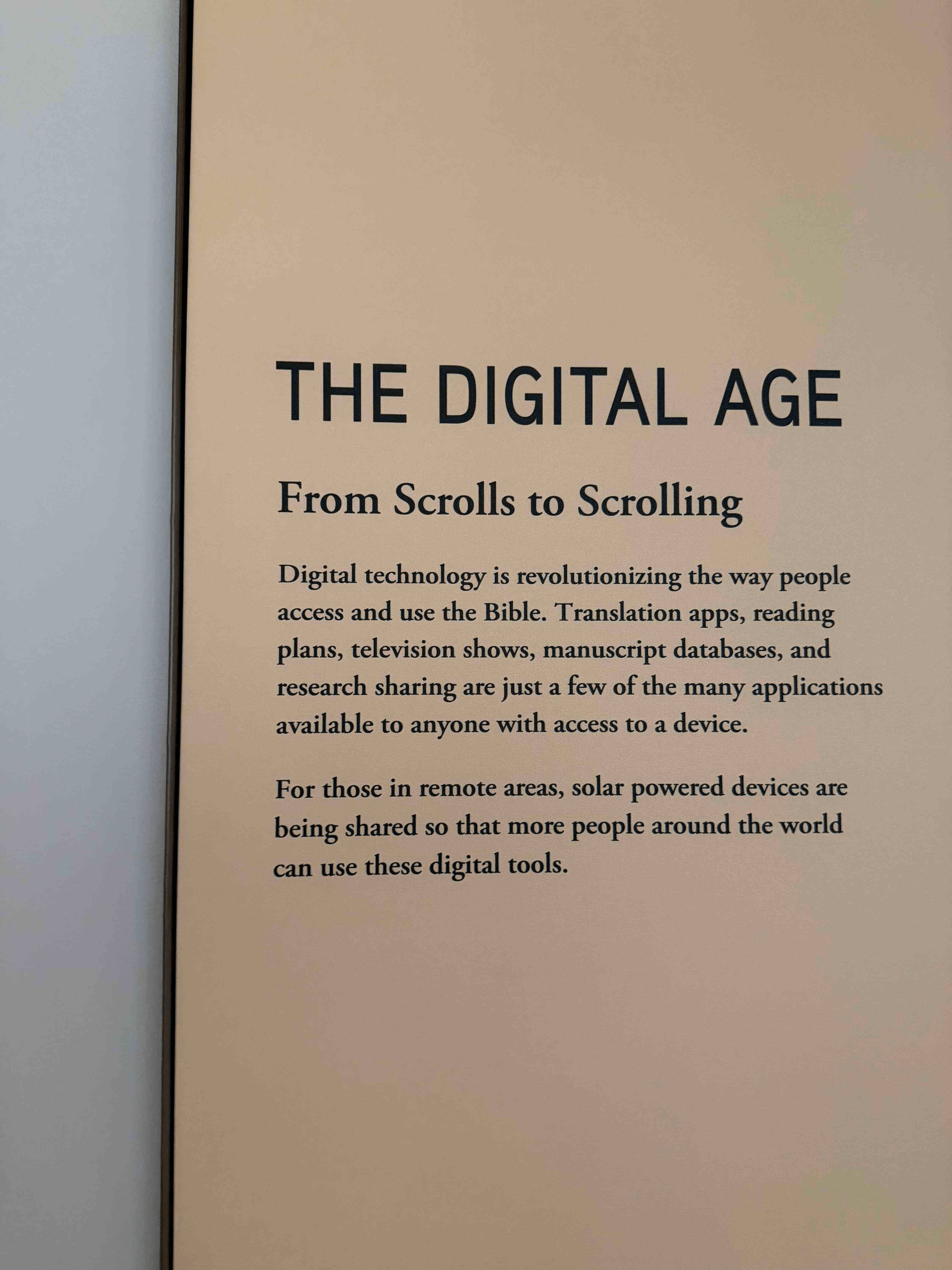
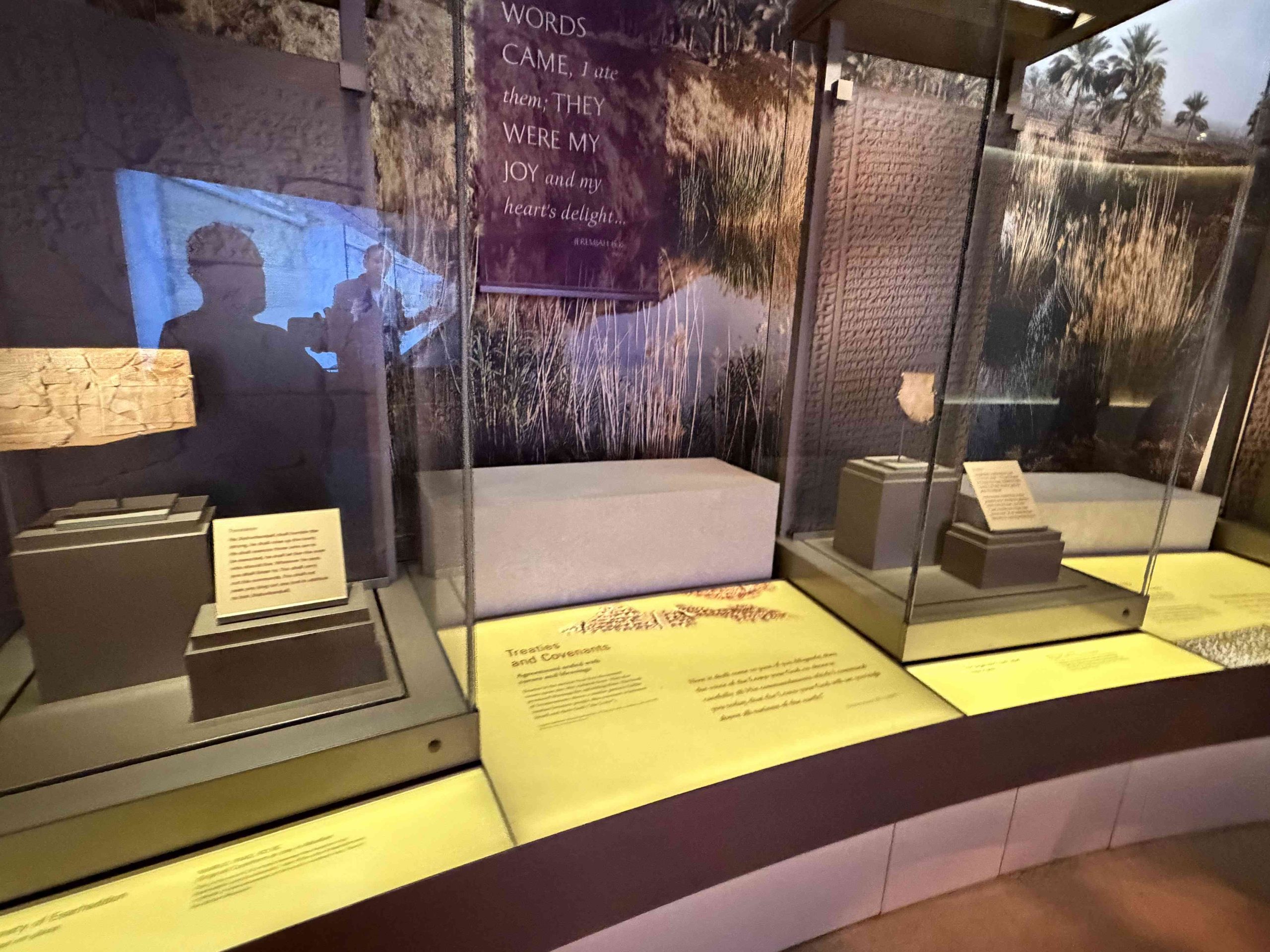
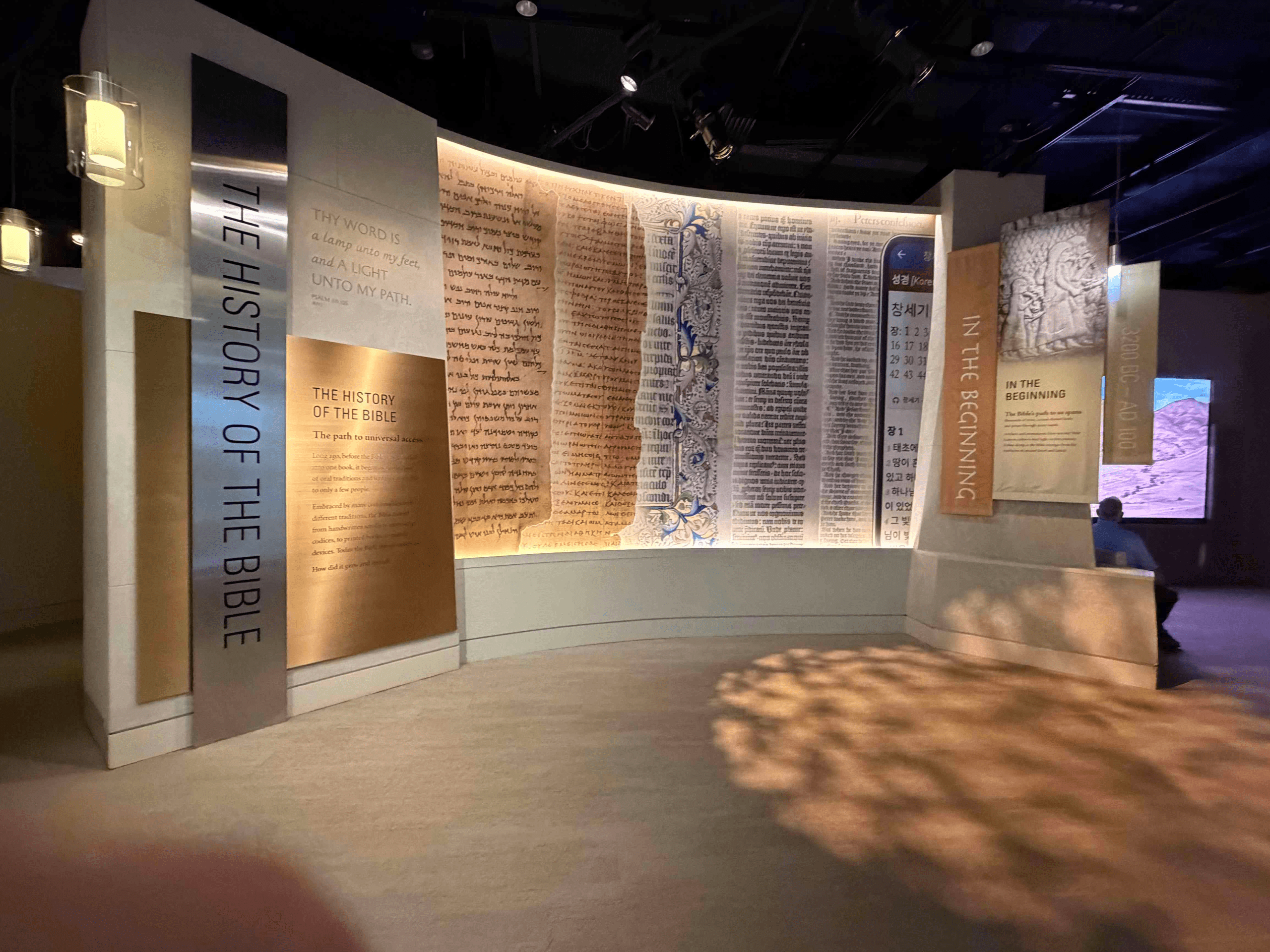
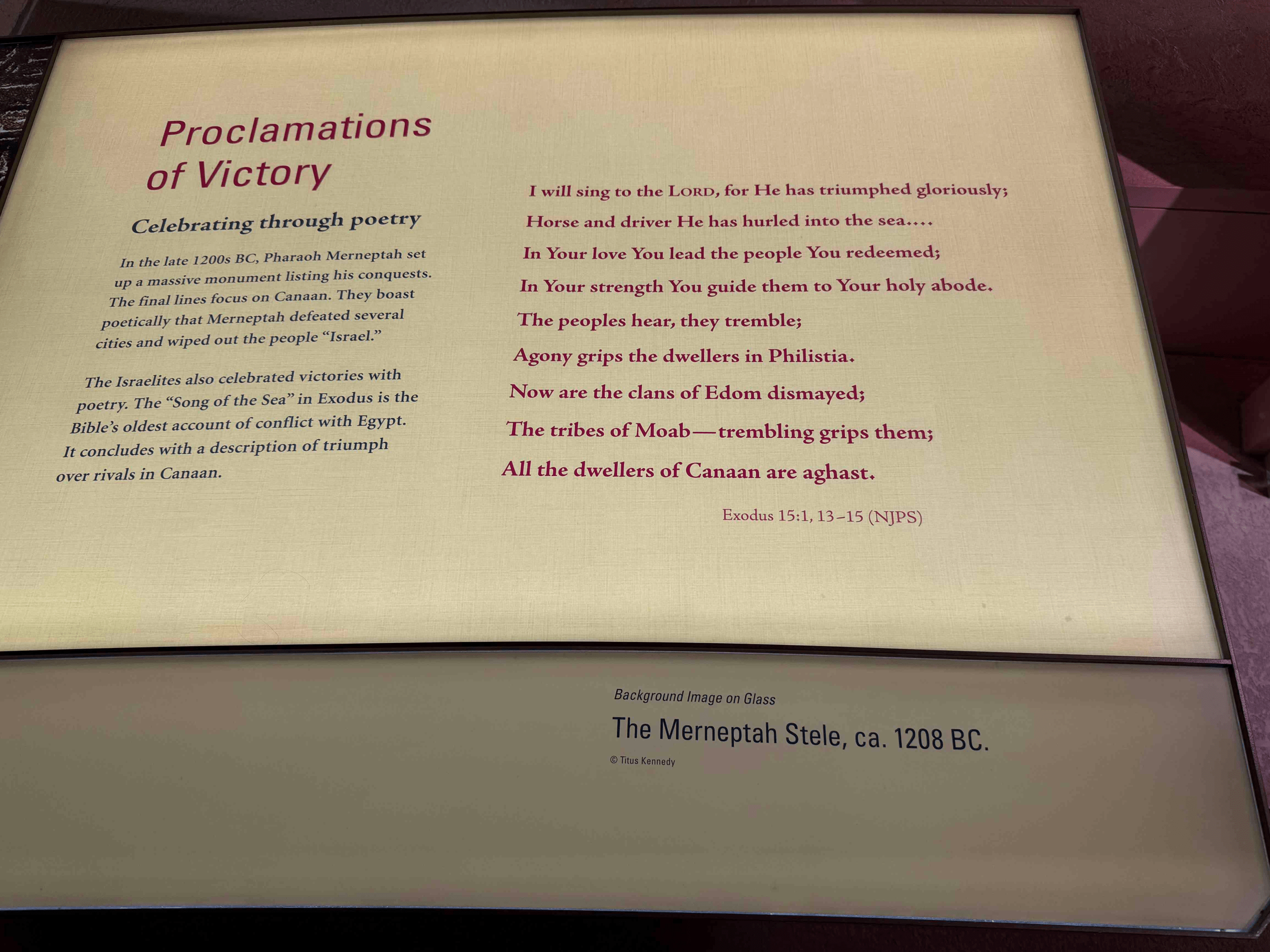
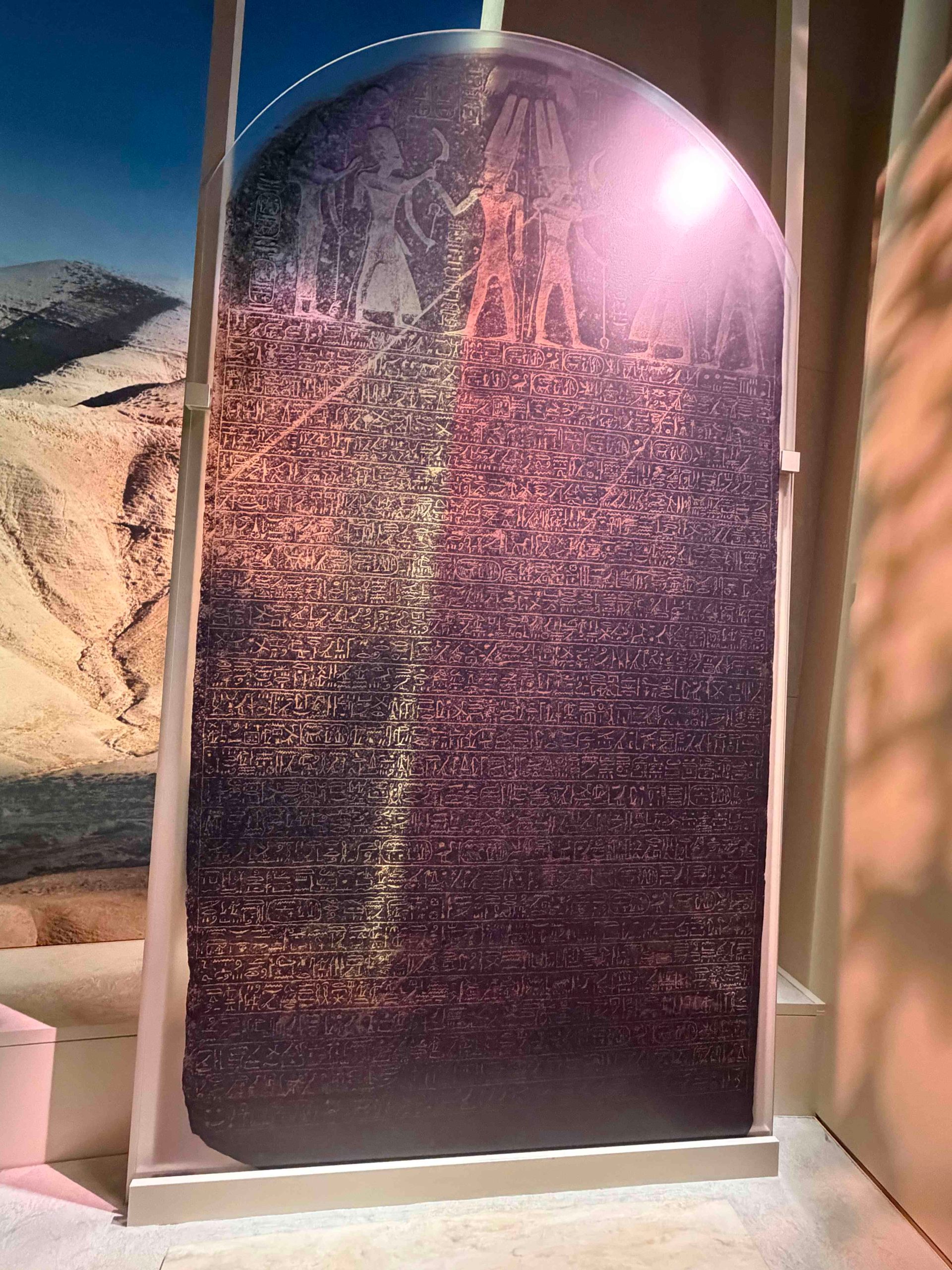
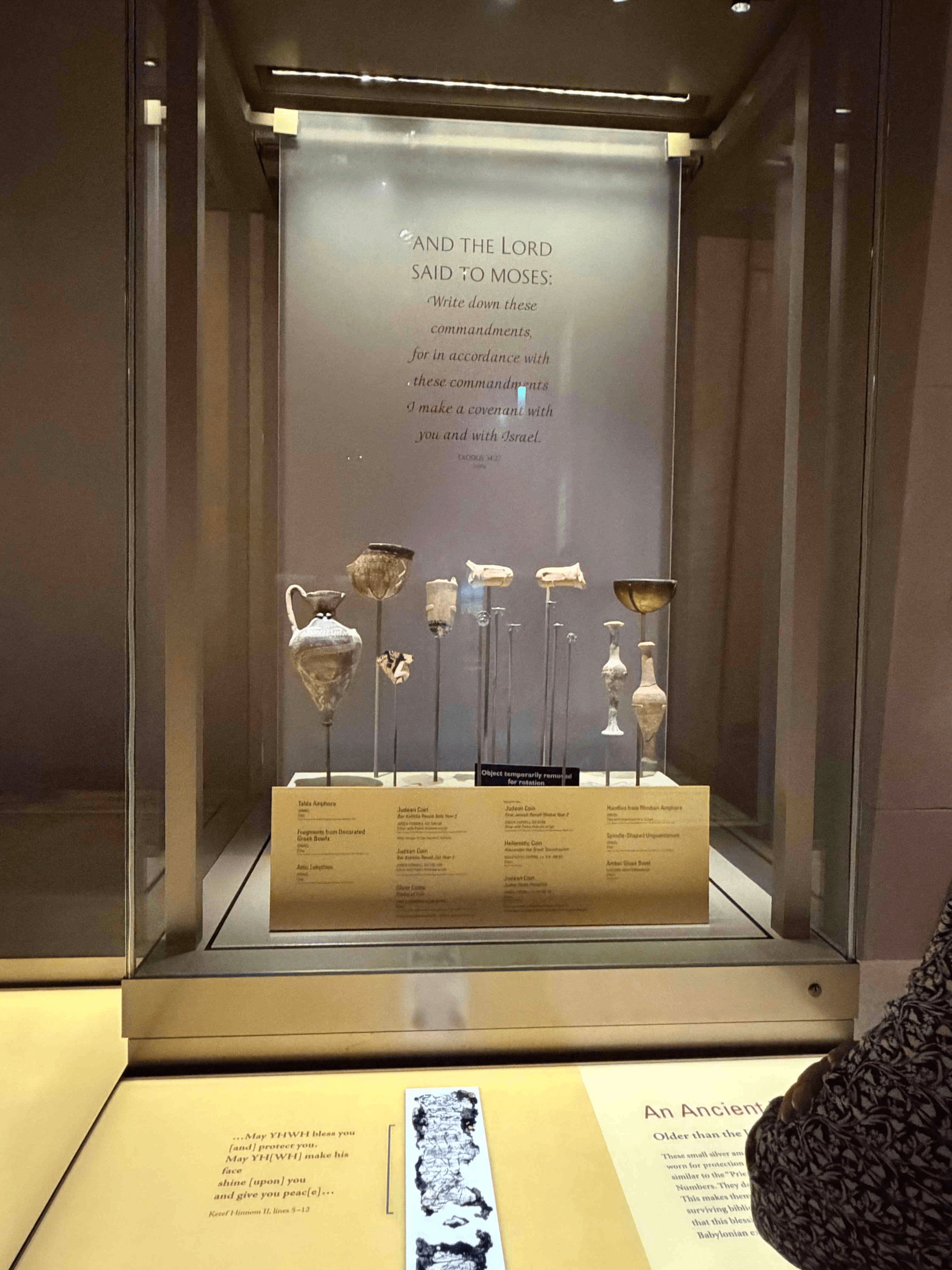
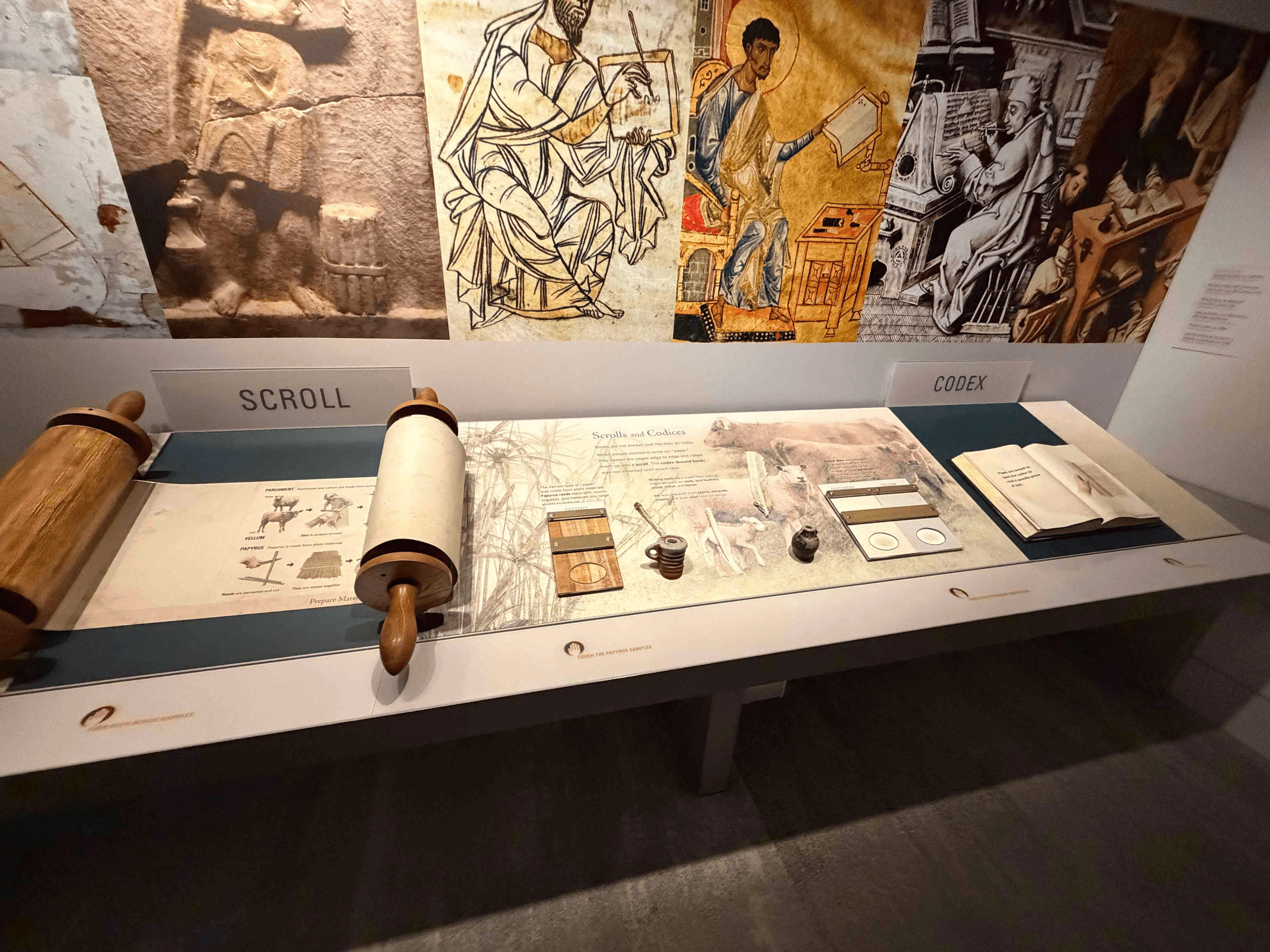
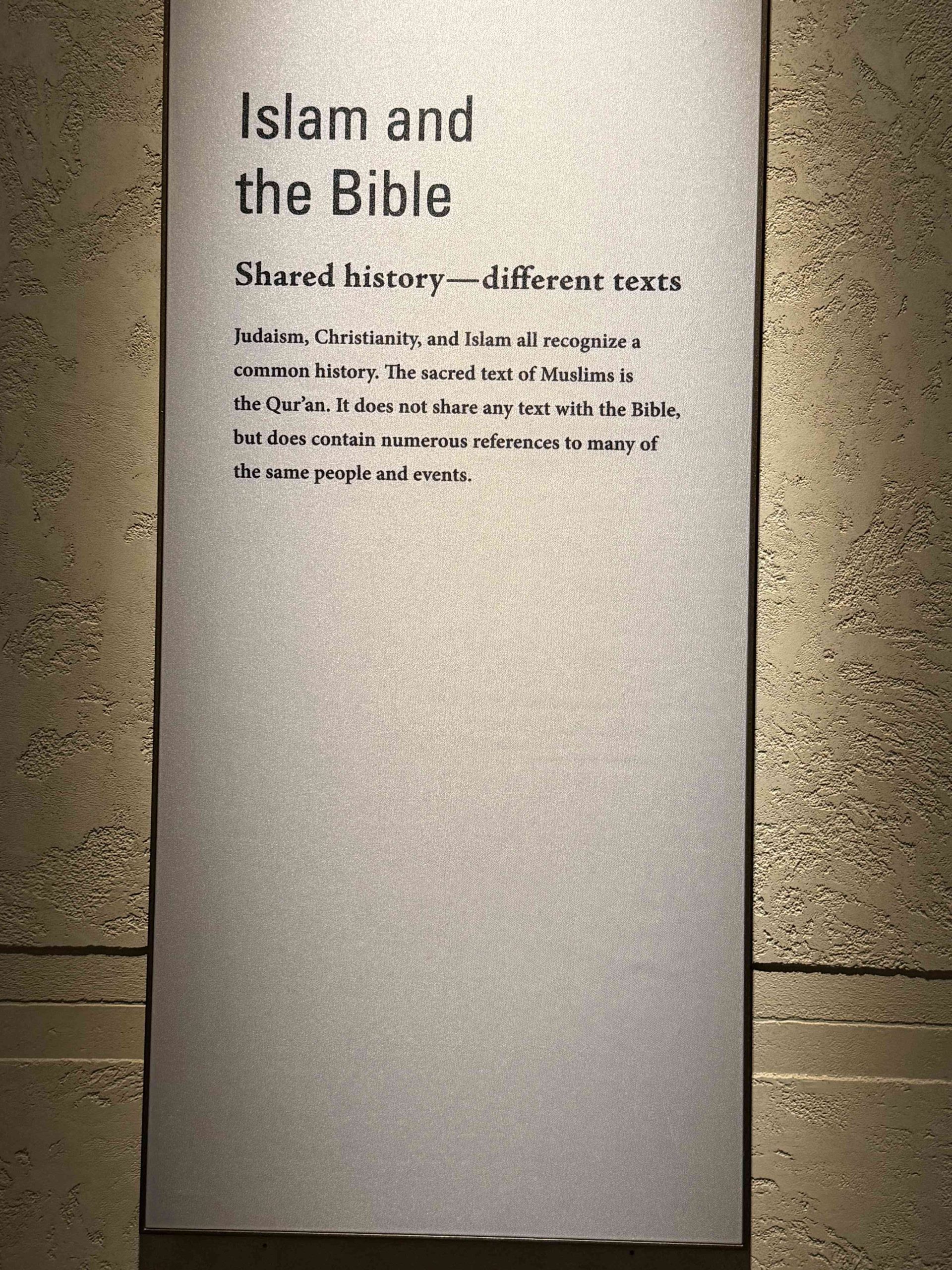
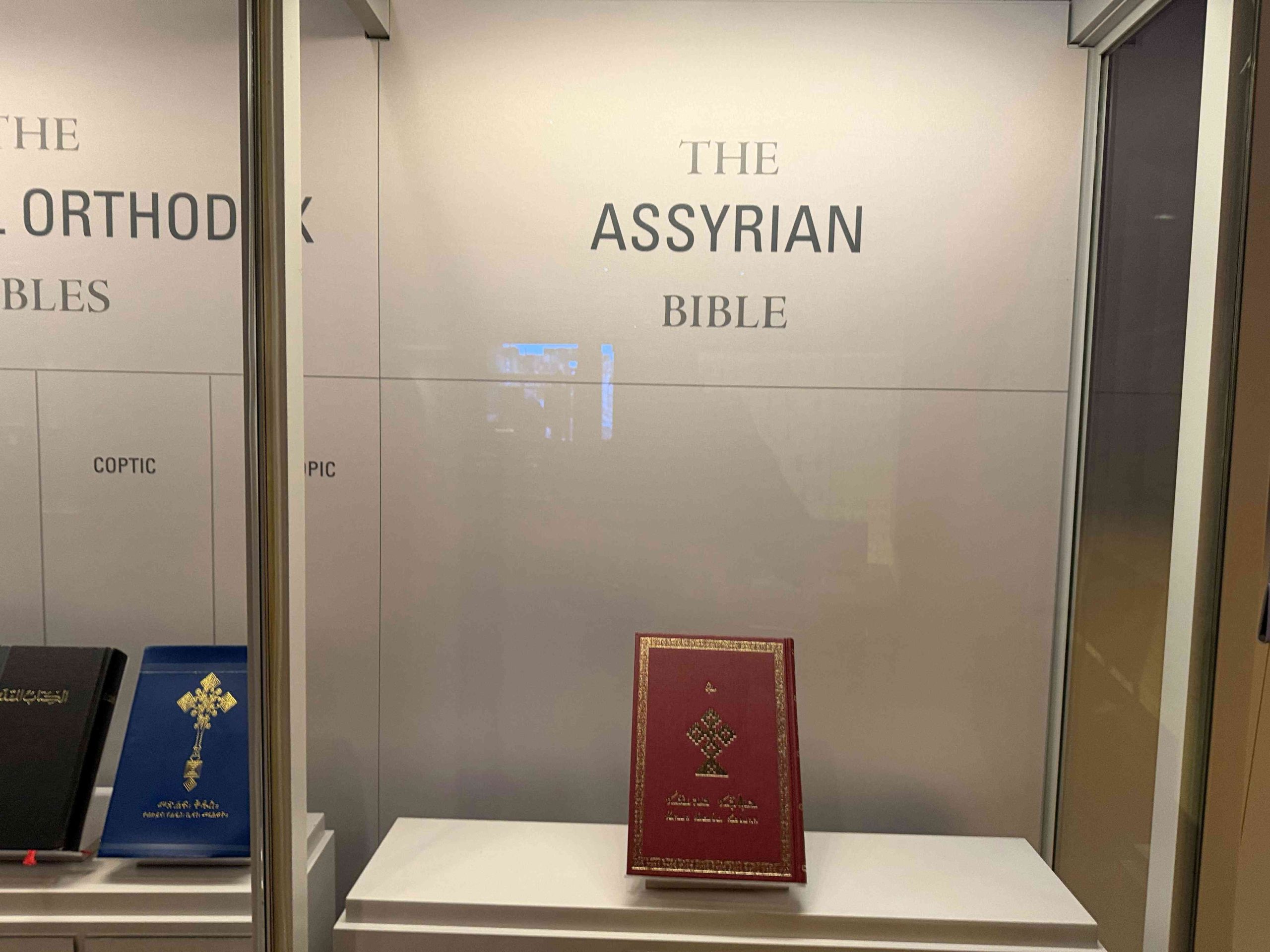
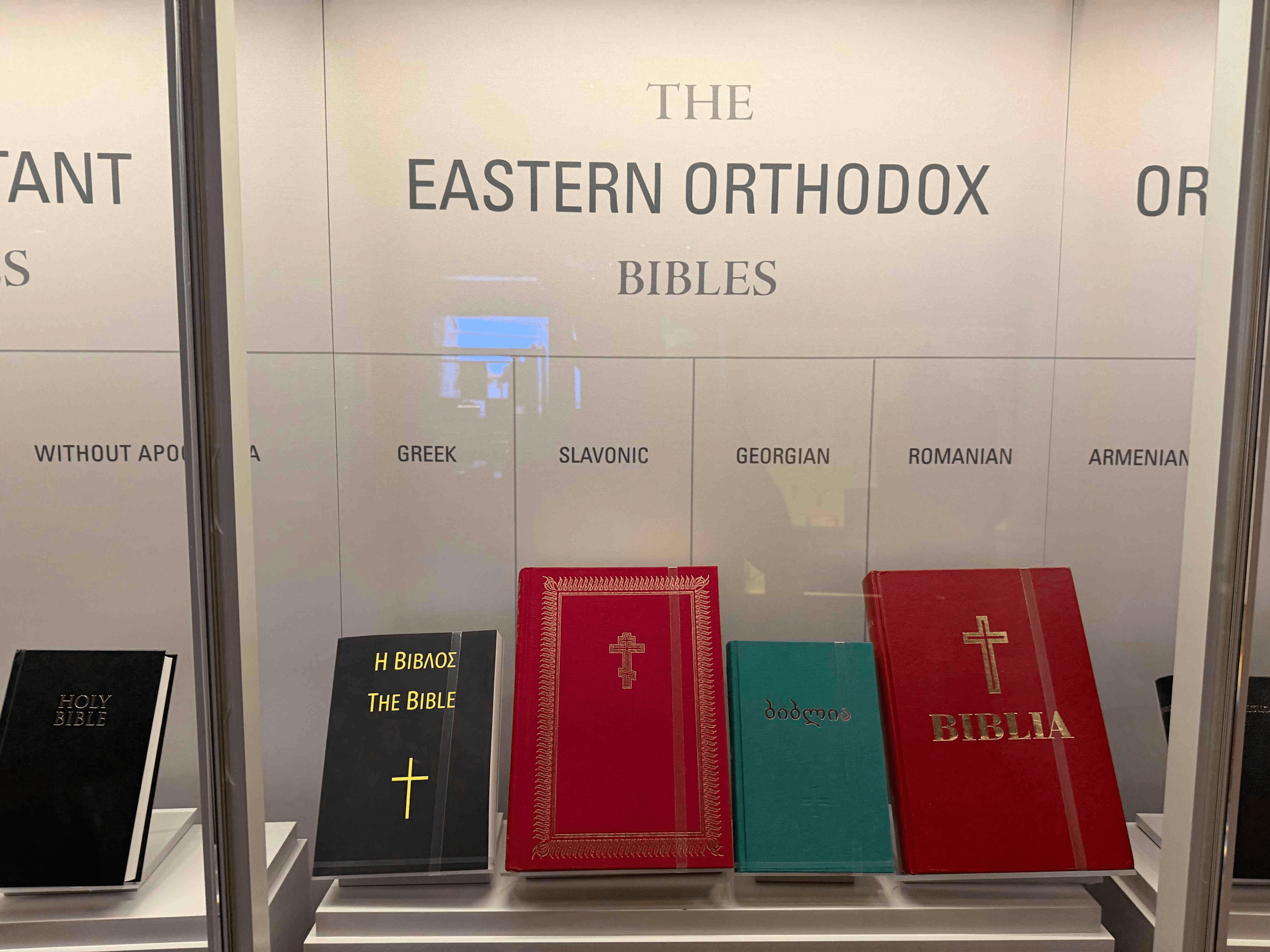
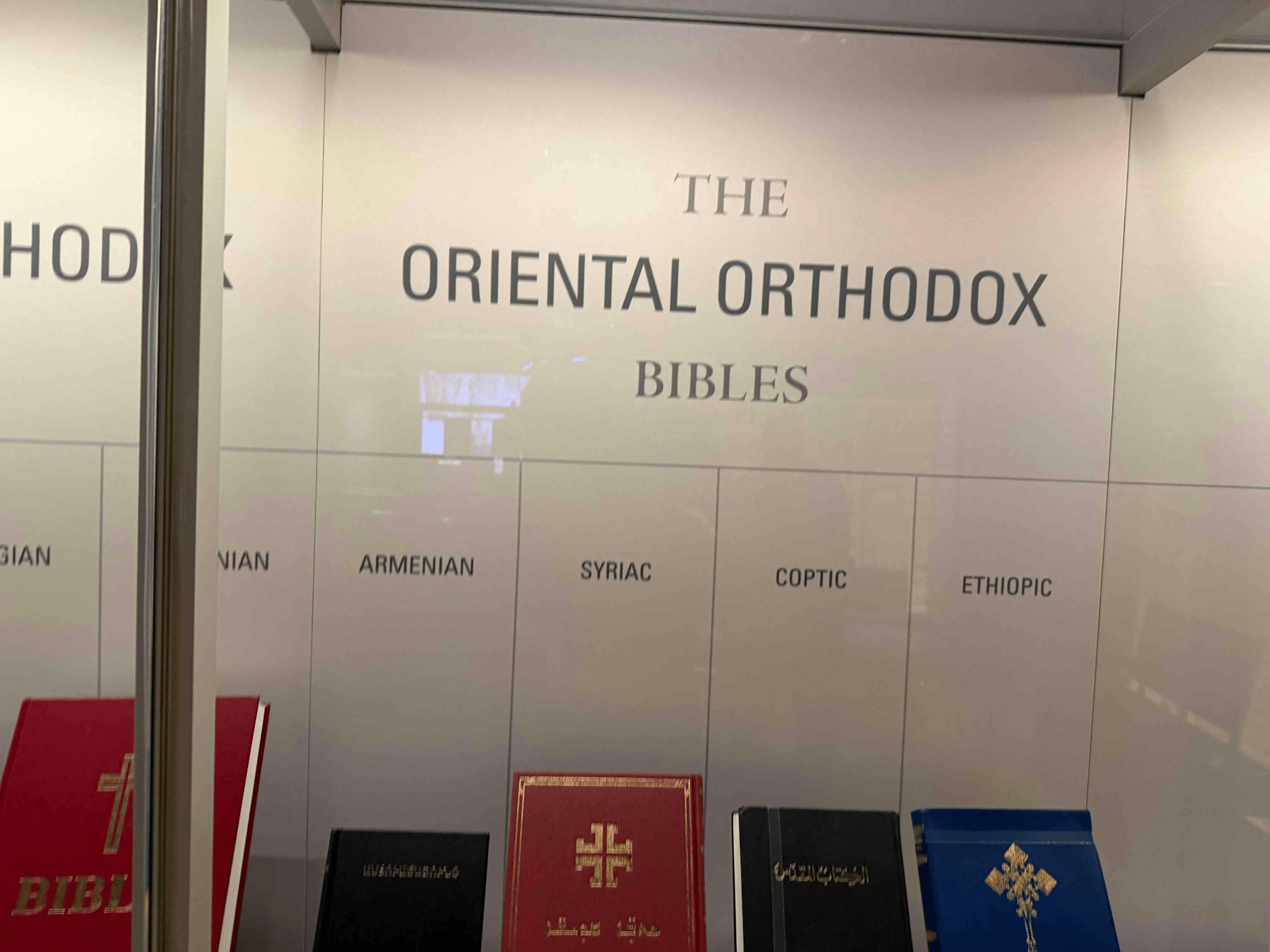
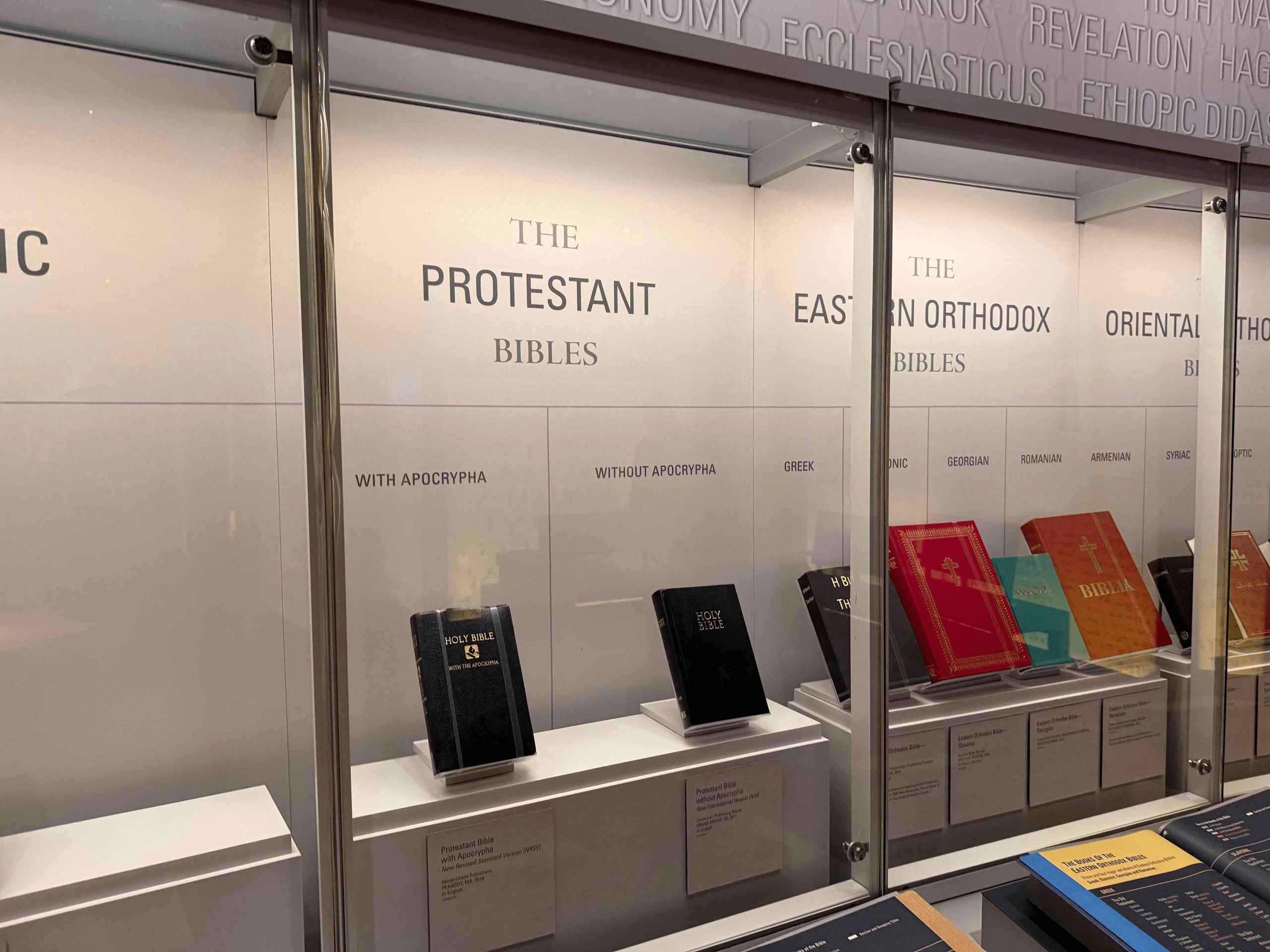
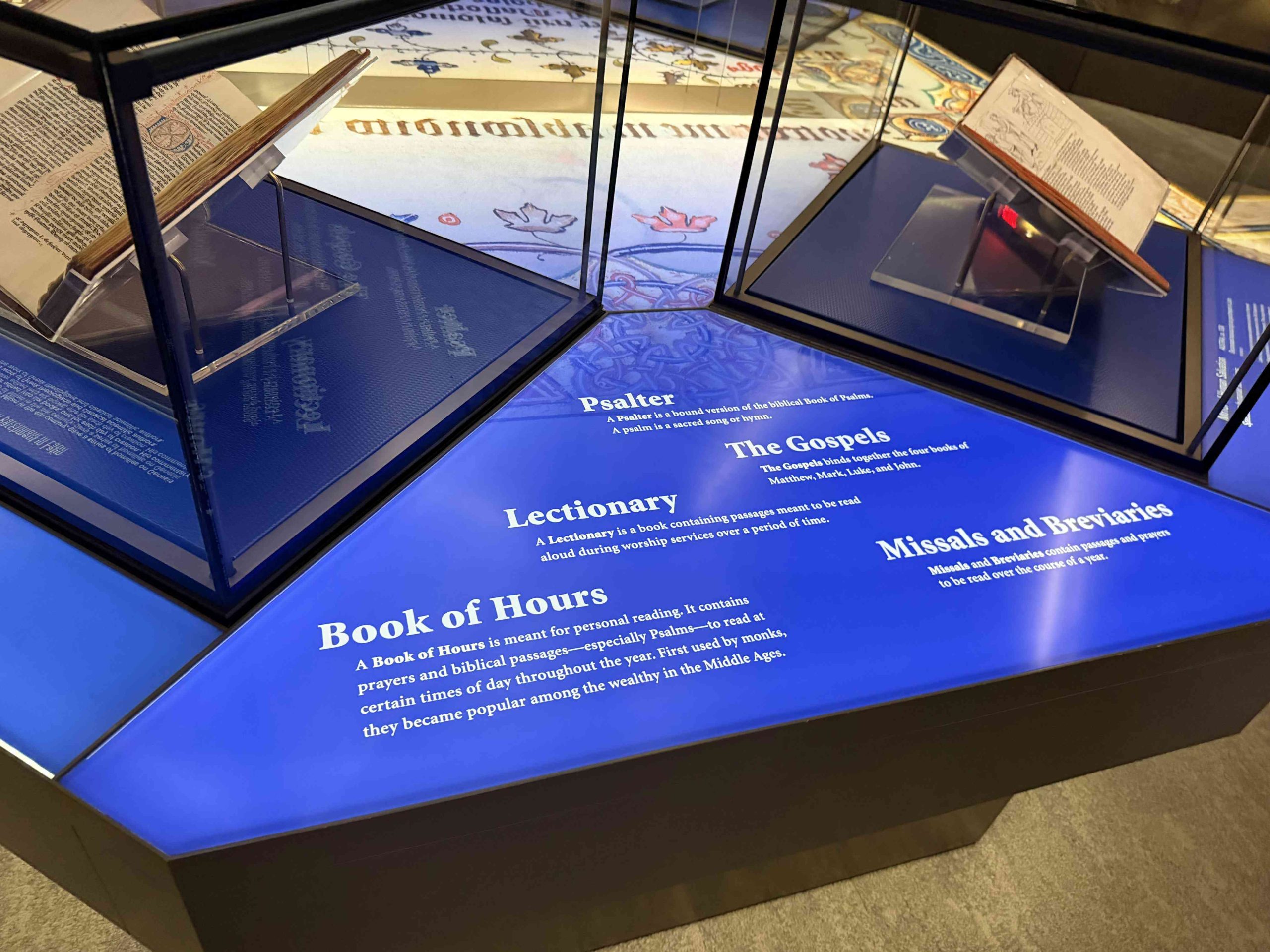
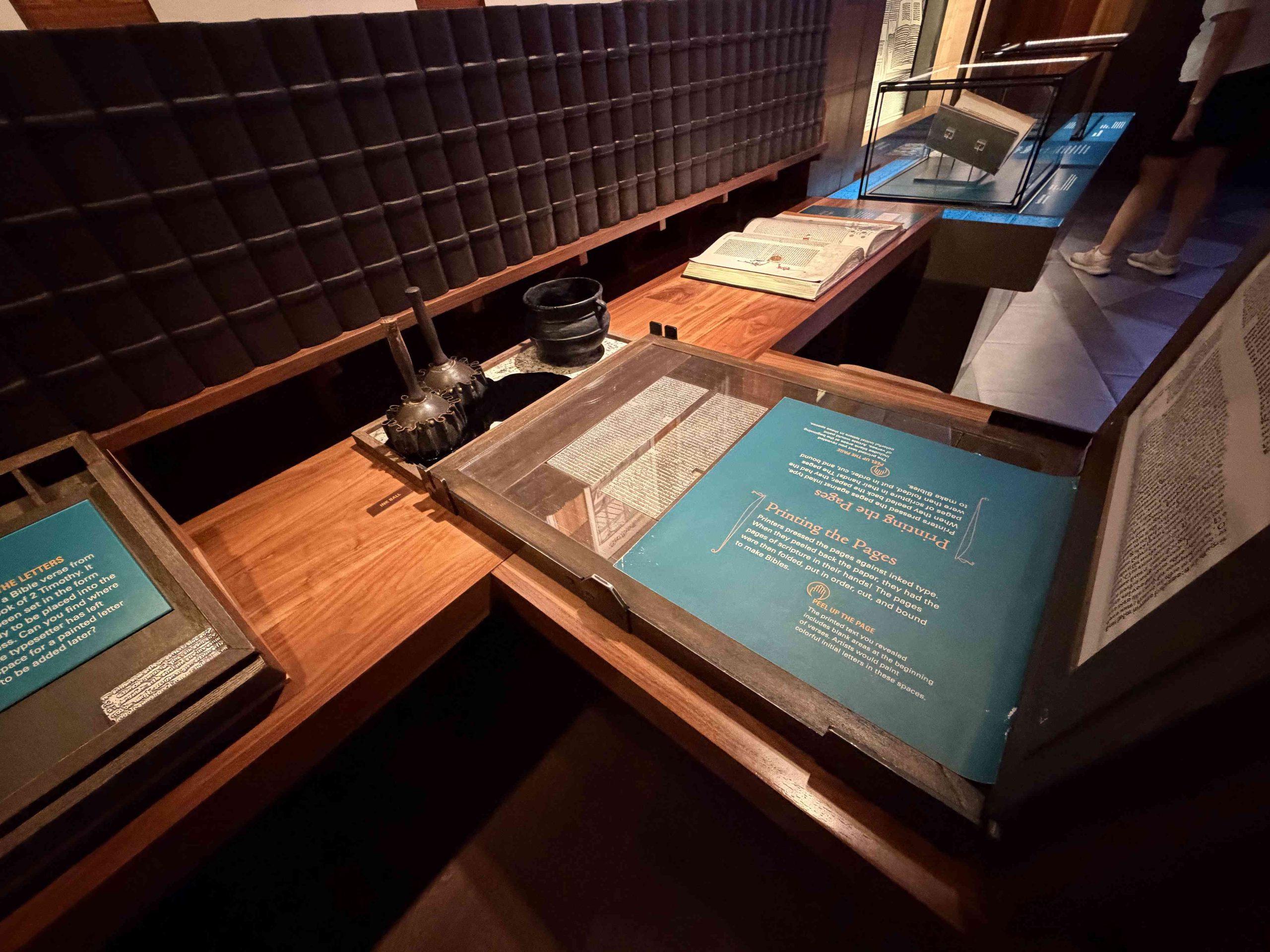
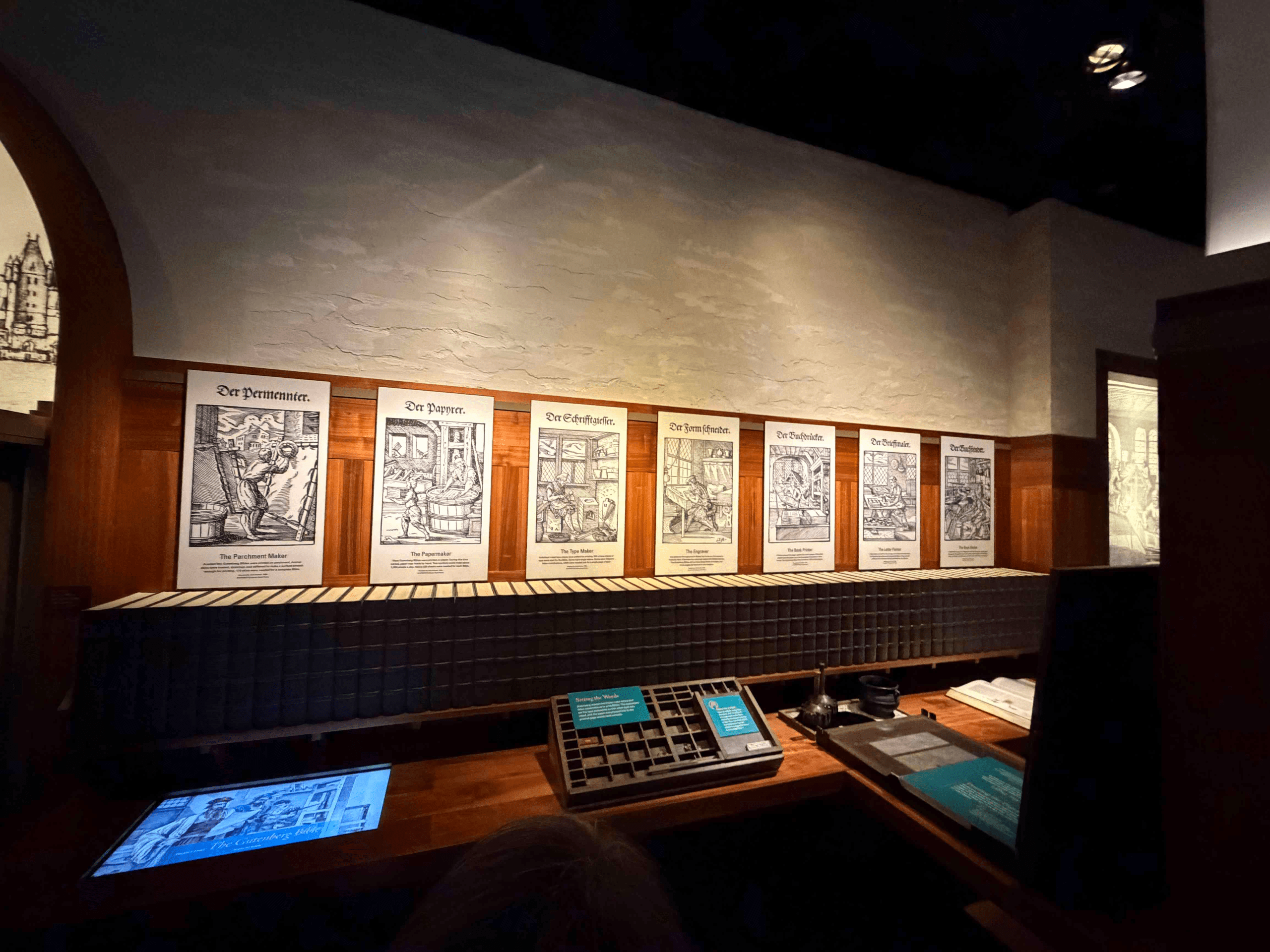
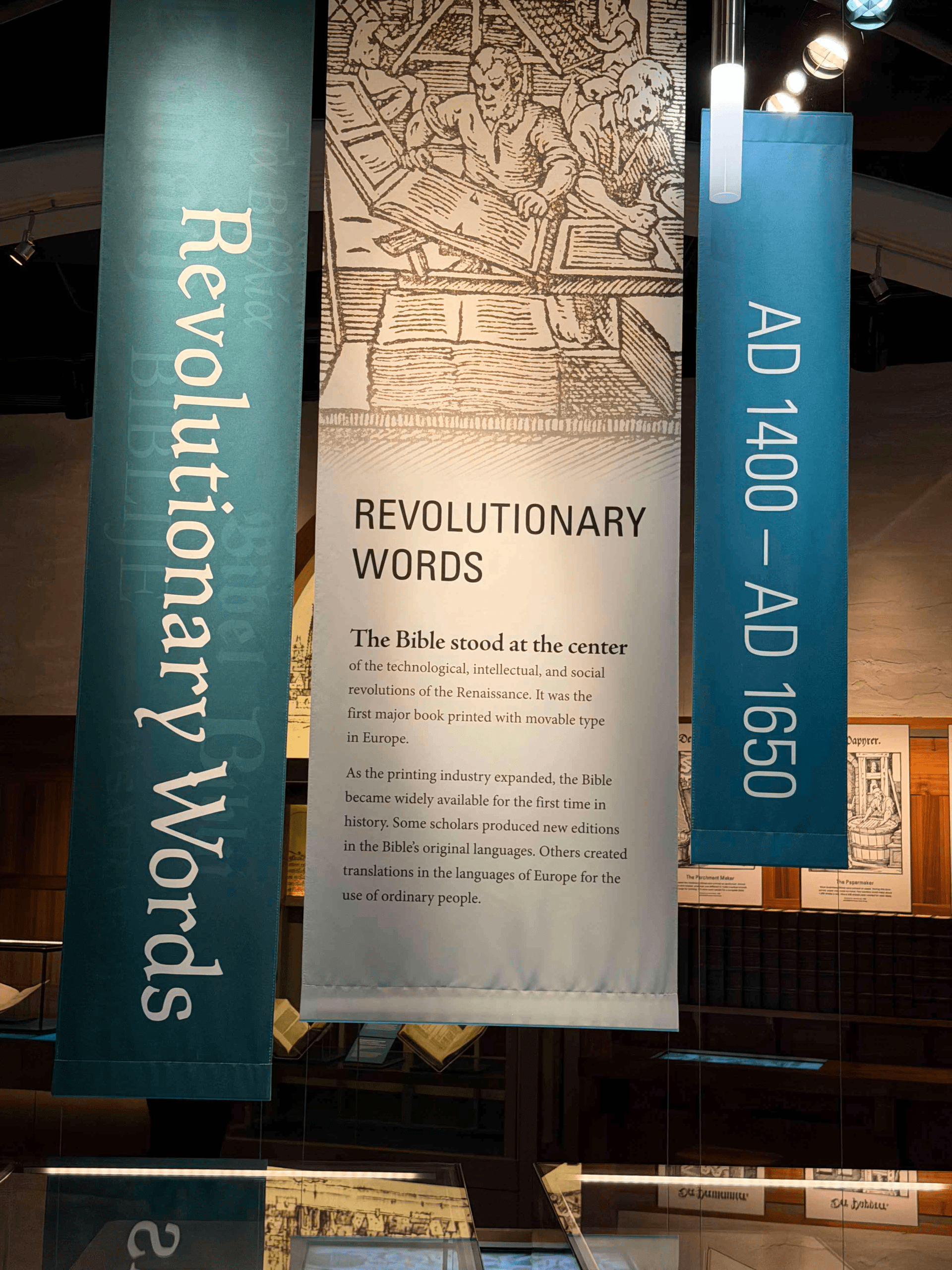
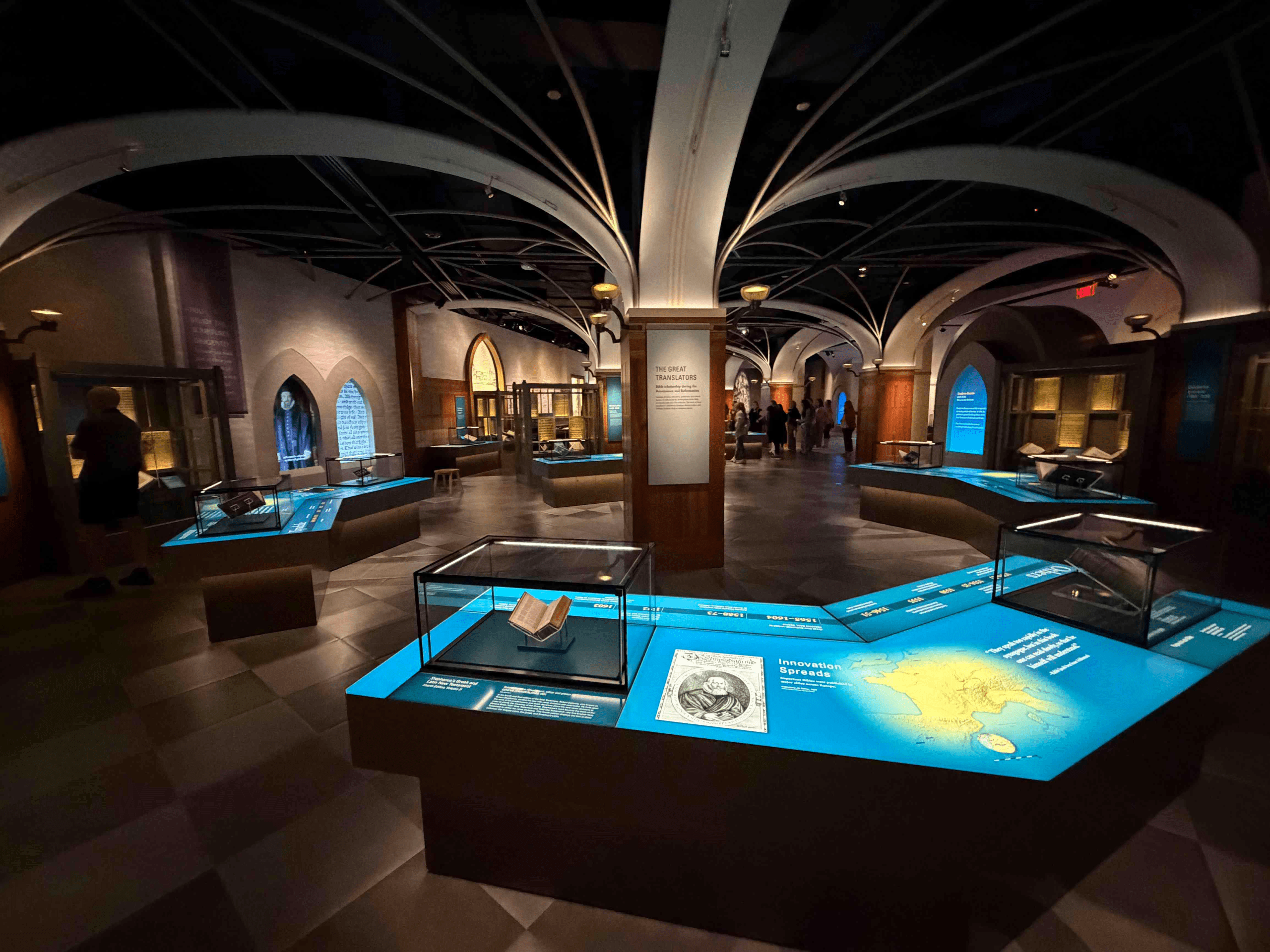
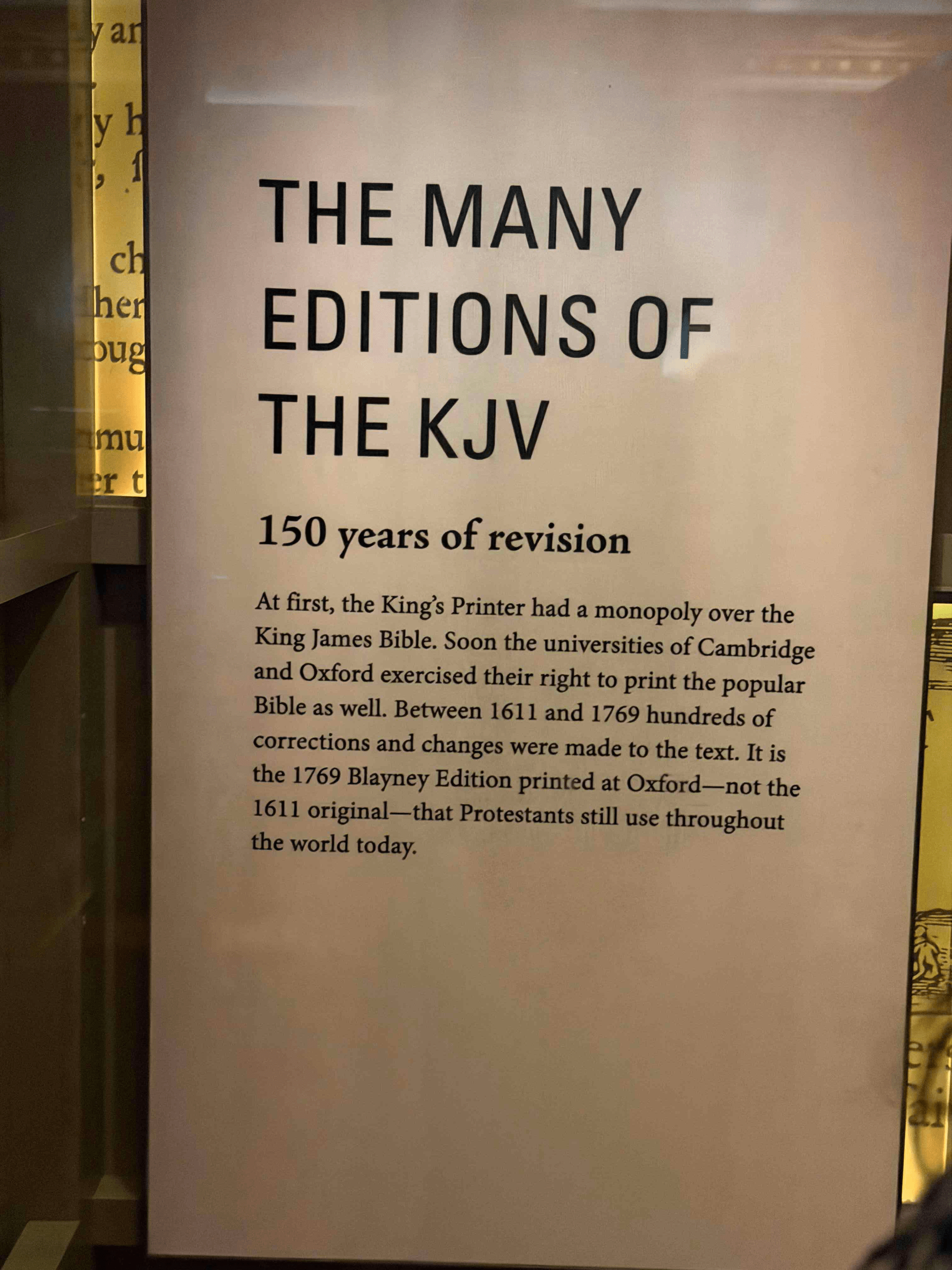
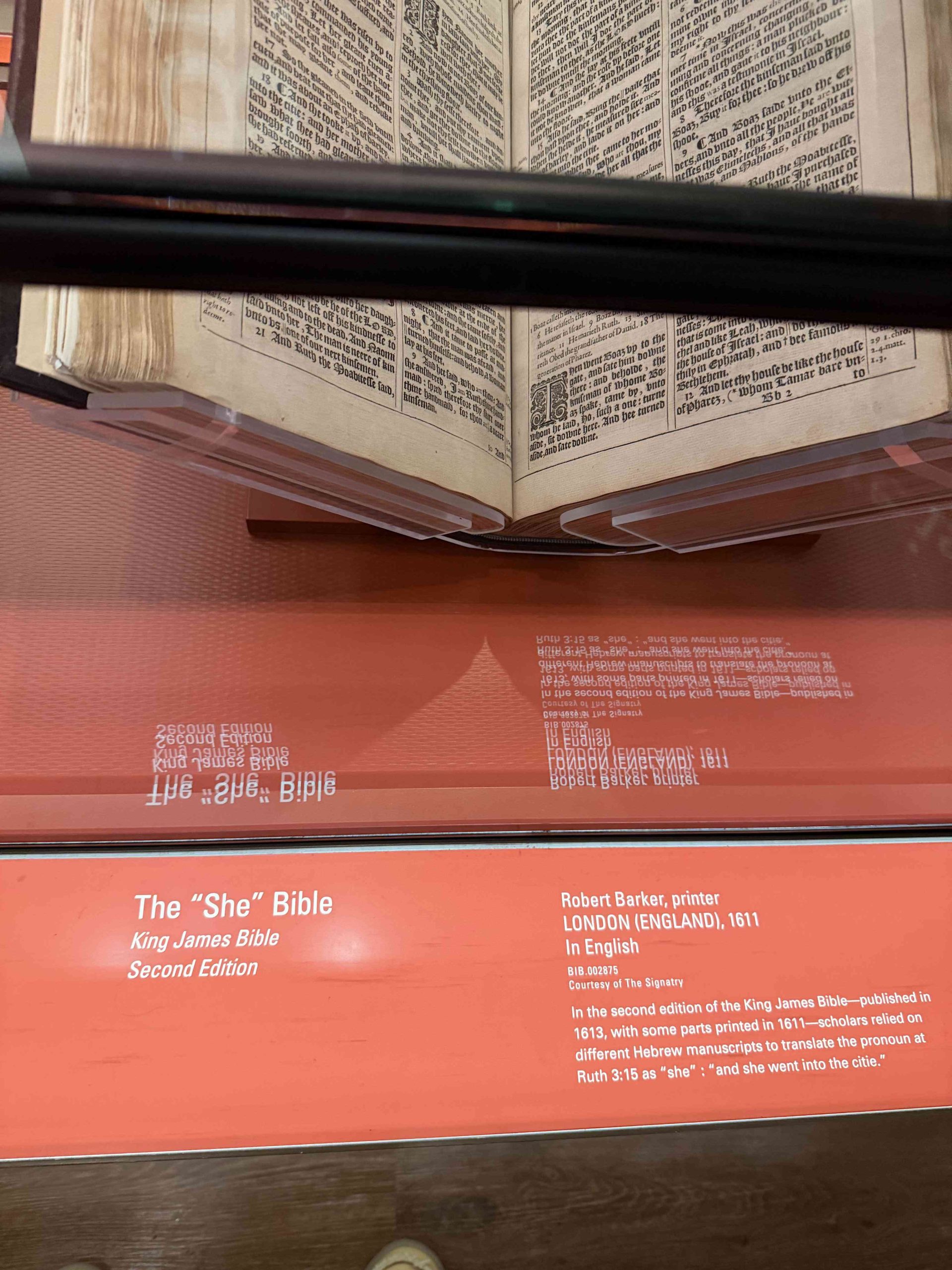
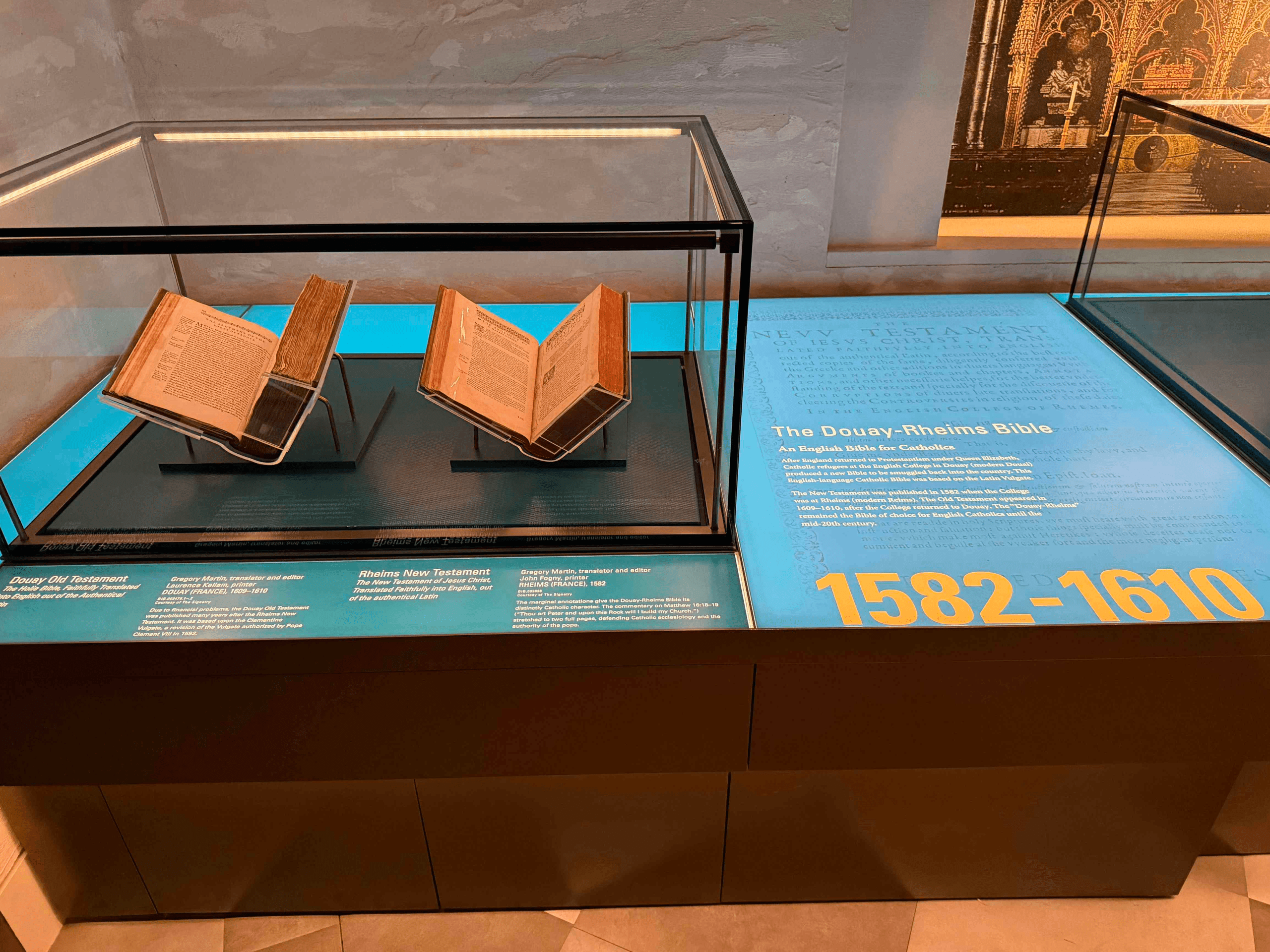
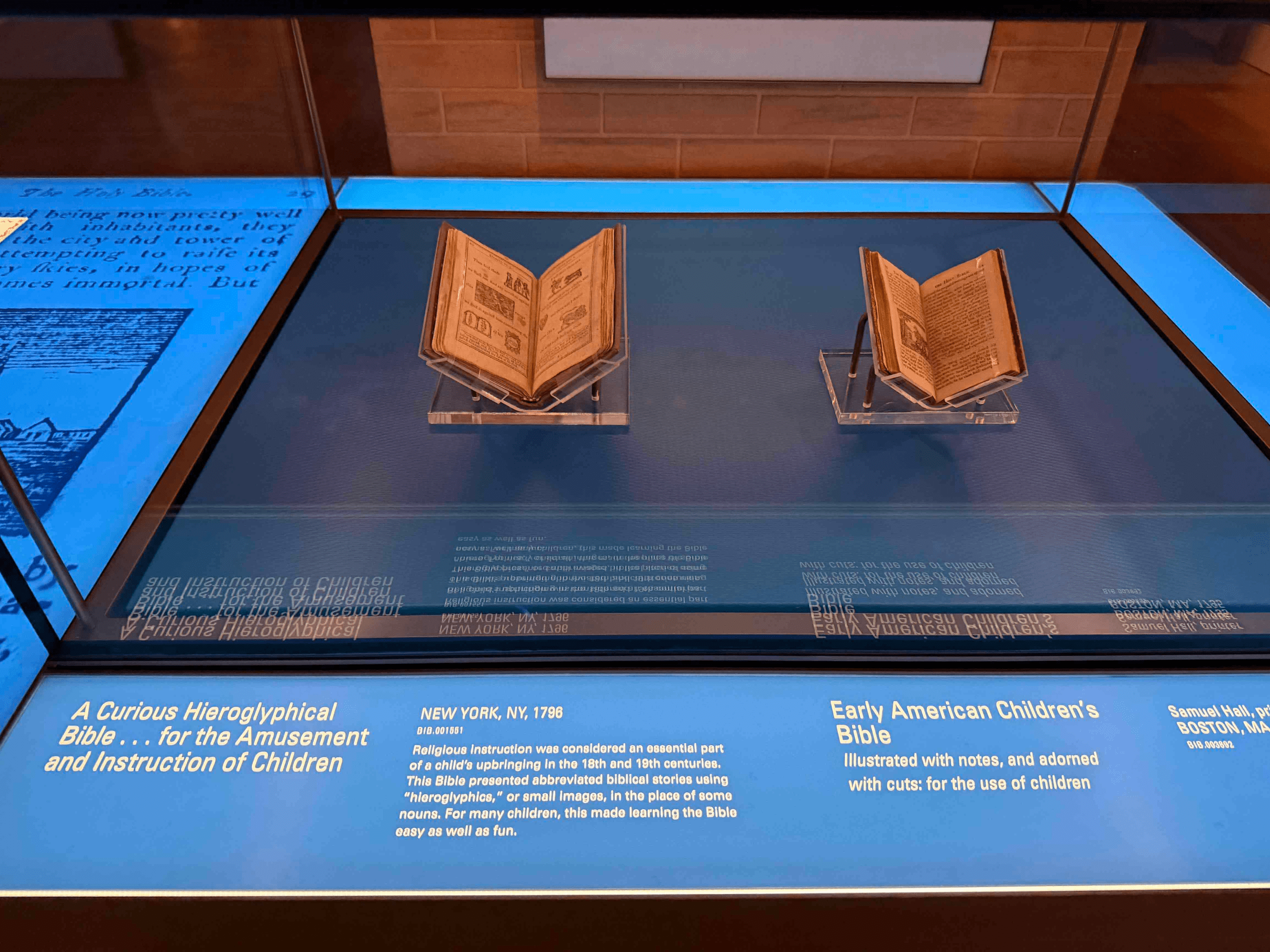
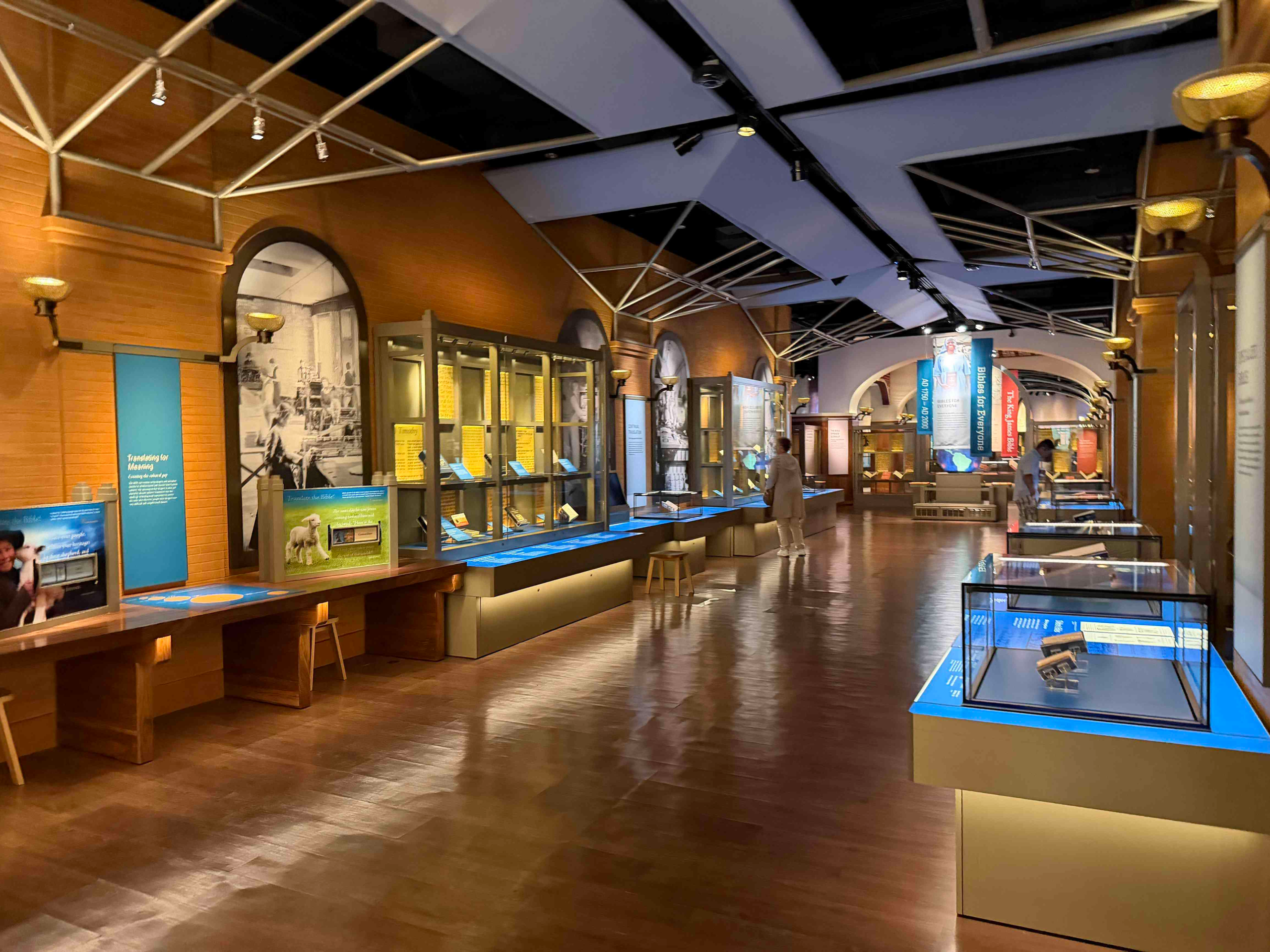
There was a lot of focus on the Geneva Bible, the King James Bible and the process of creating it, the NIV, and other Bibles connected to different branches and traditions within Christianity.
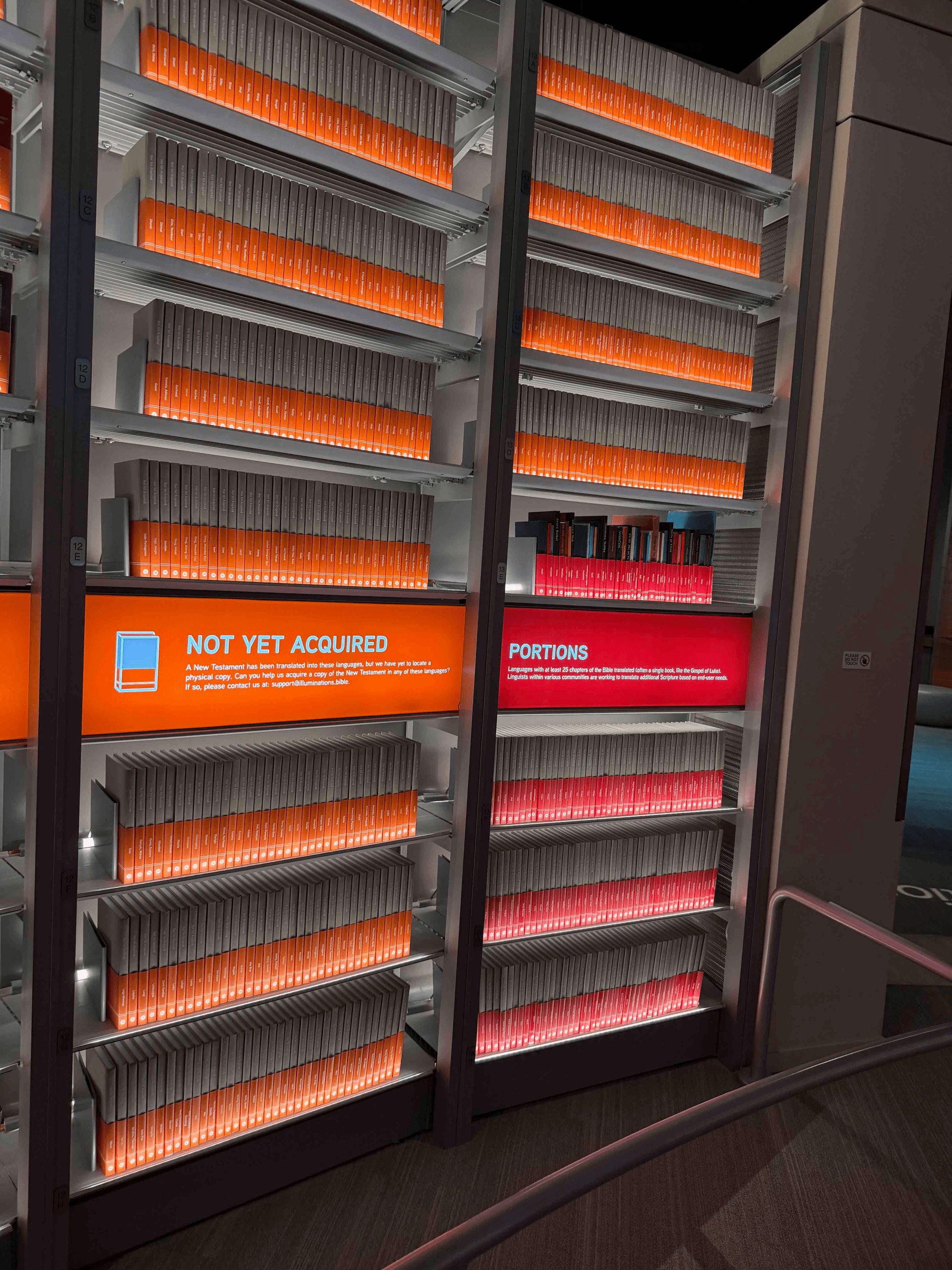
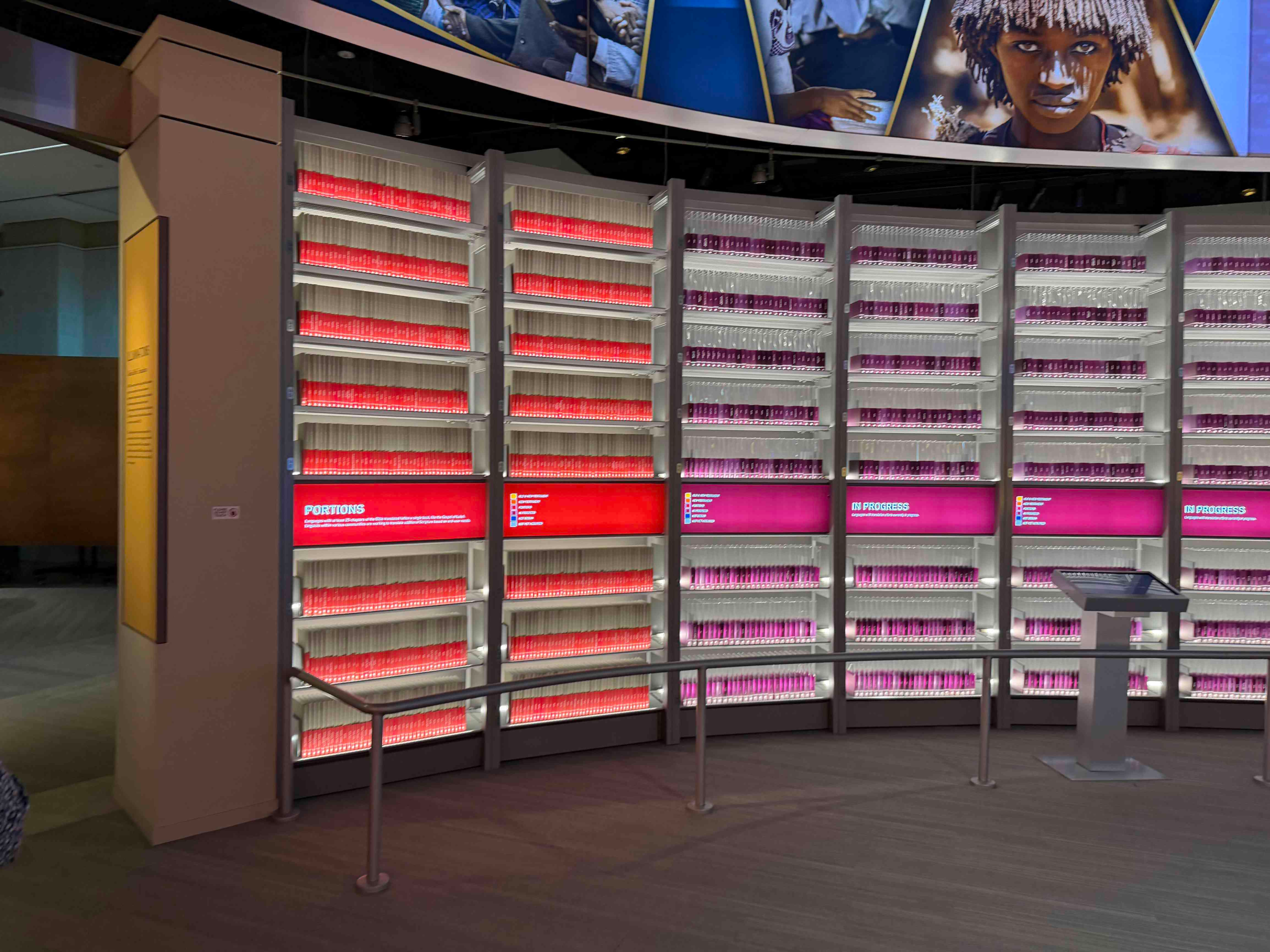
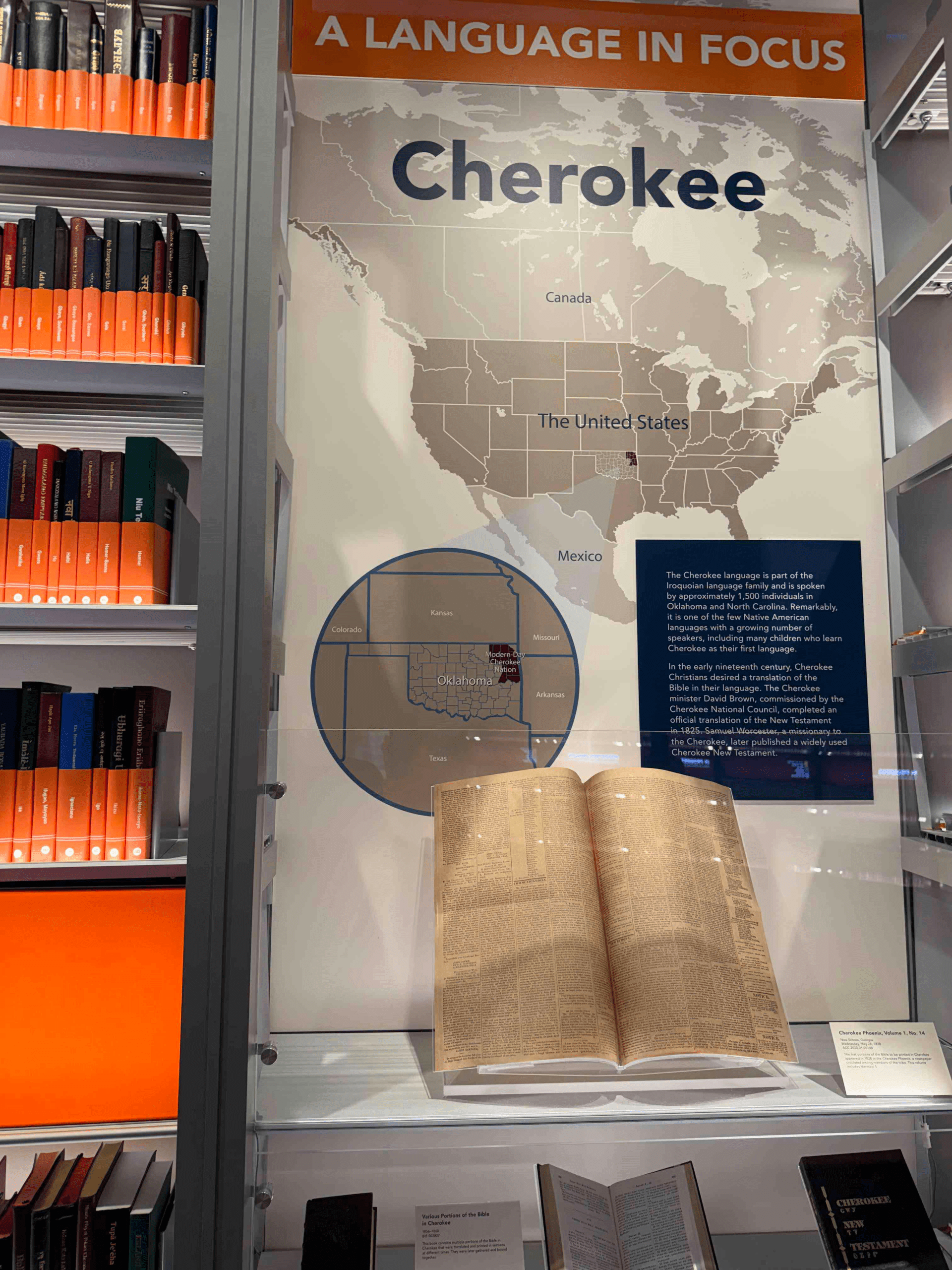
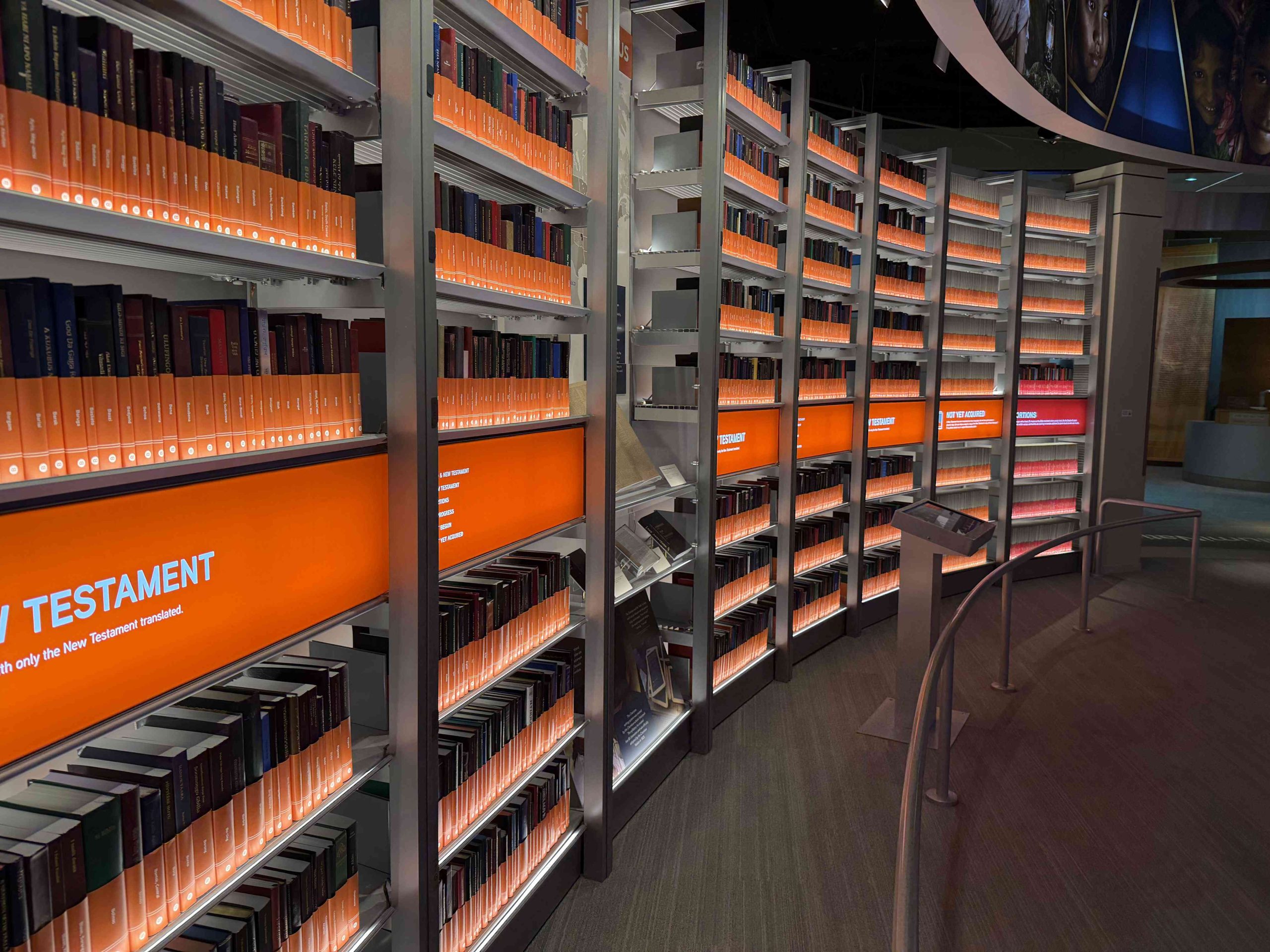
One of the biggest displays shared the many translations of the Bible into languages from around the world. It was impressive to see how far Bible translation has reached, but also sobering to see how many languages still do not have a full translation.
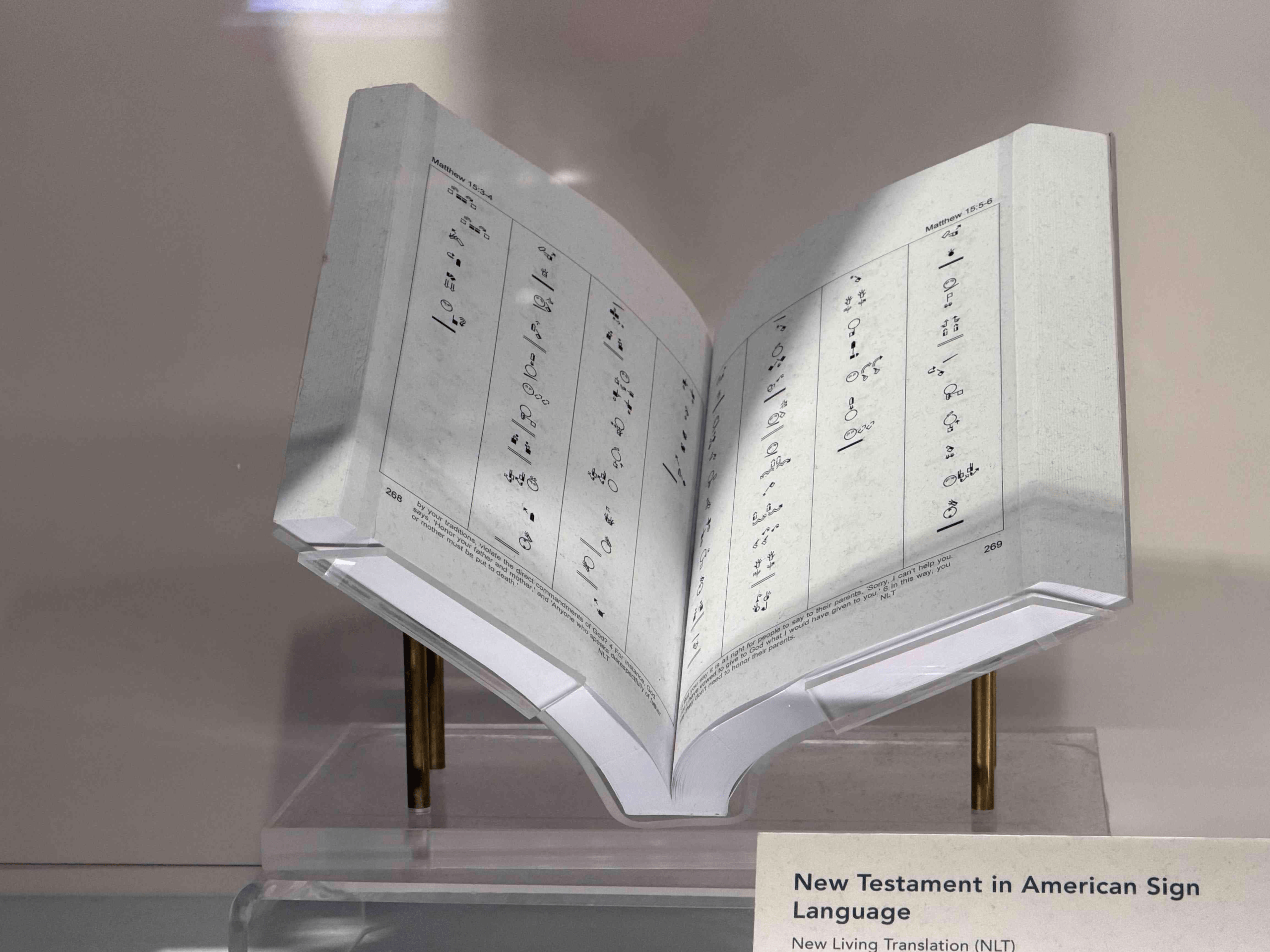
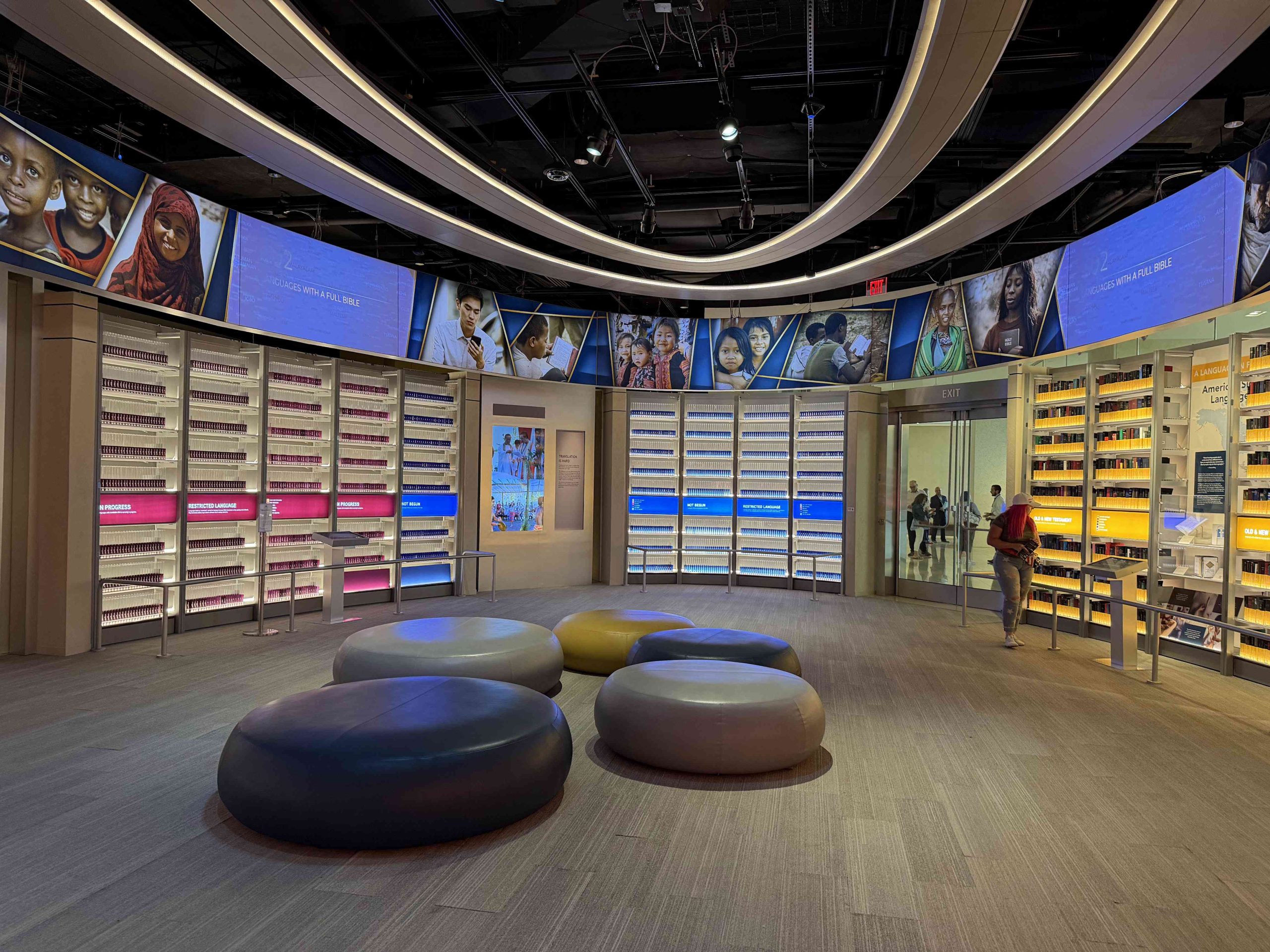
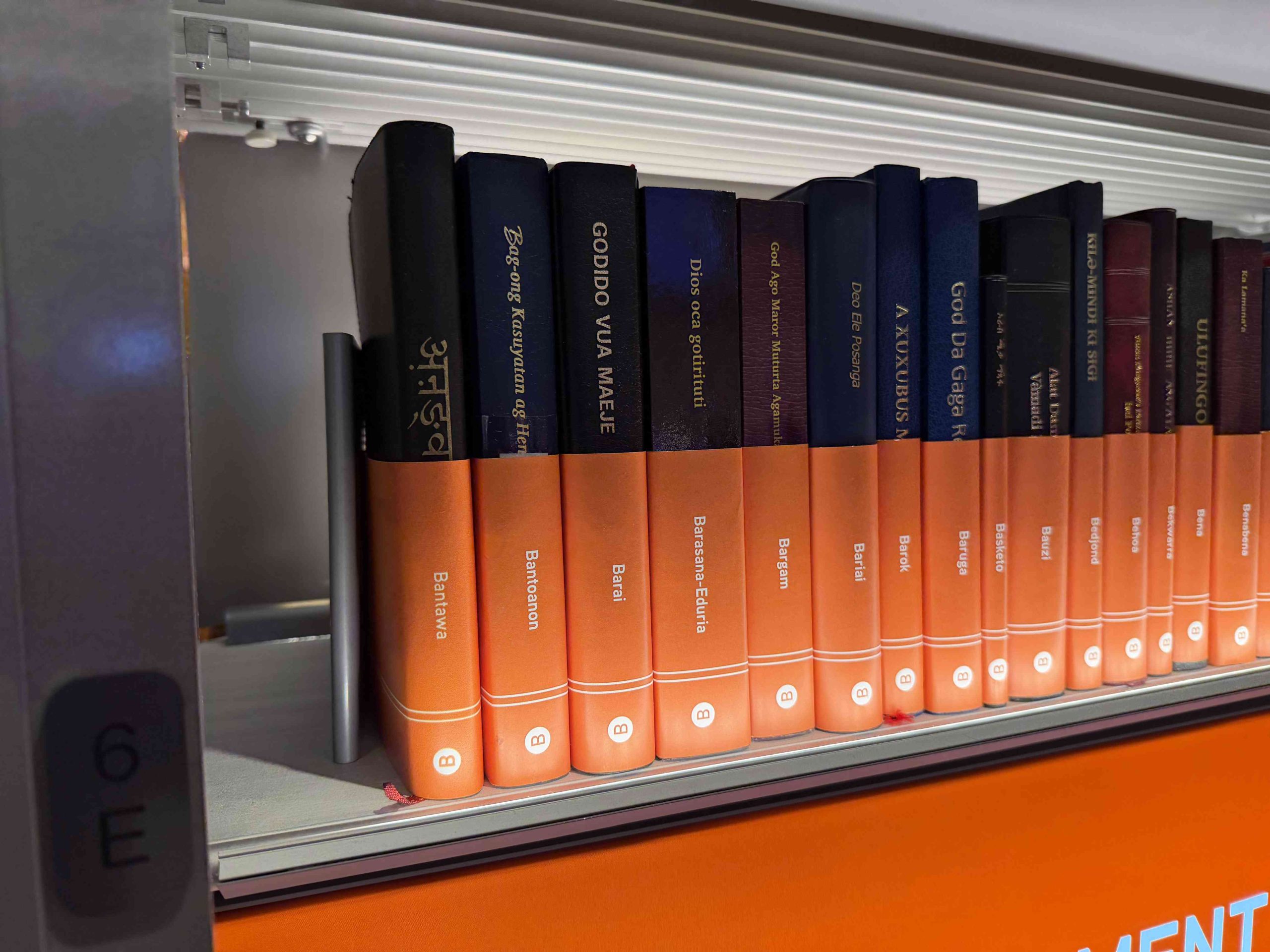
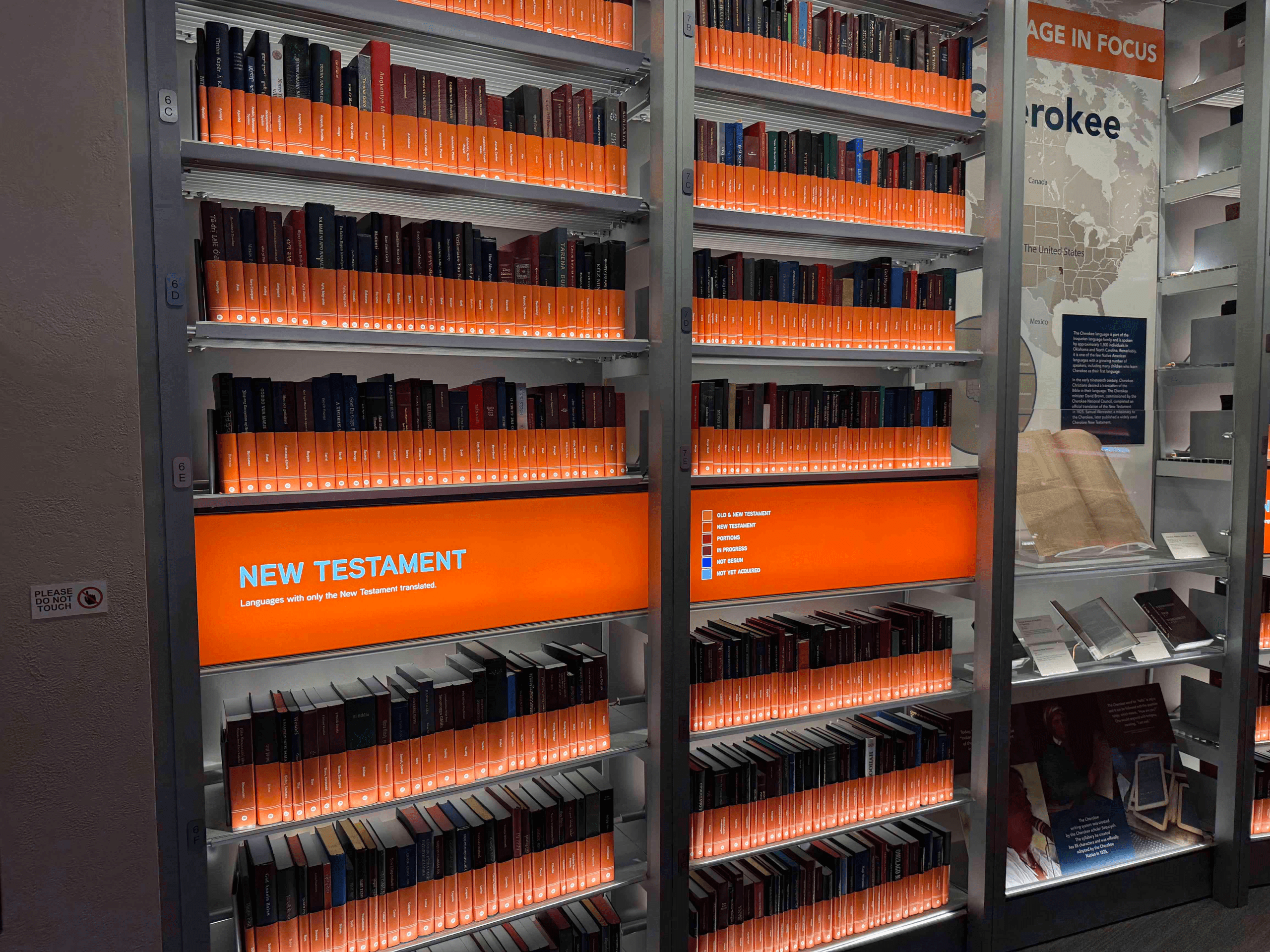
Again, these floors could take days to fully read and absorb each section, but we did the best we could with the time we had.
Altogether, we spent almost 12 hours at the Museum of the Bible across our visits. We covered the majority of it, but we still did not cover it all. That says a lot about the size and depth of the museum.
Thursday, July 9, 2026: This was our last day for a couple of weeks to visit something in the area, and with the Great American State Fair closing on the 10th, today was our only chance to go.
We changed the way we accessed Washington, D.C. This time, instead of driving all the way into the city, we parked in Maryland, caught the Metro, and rode the train to L’Enfant Plaza, which dropped us near the fair entrance.
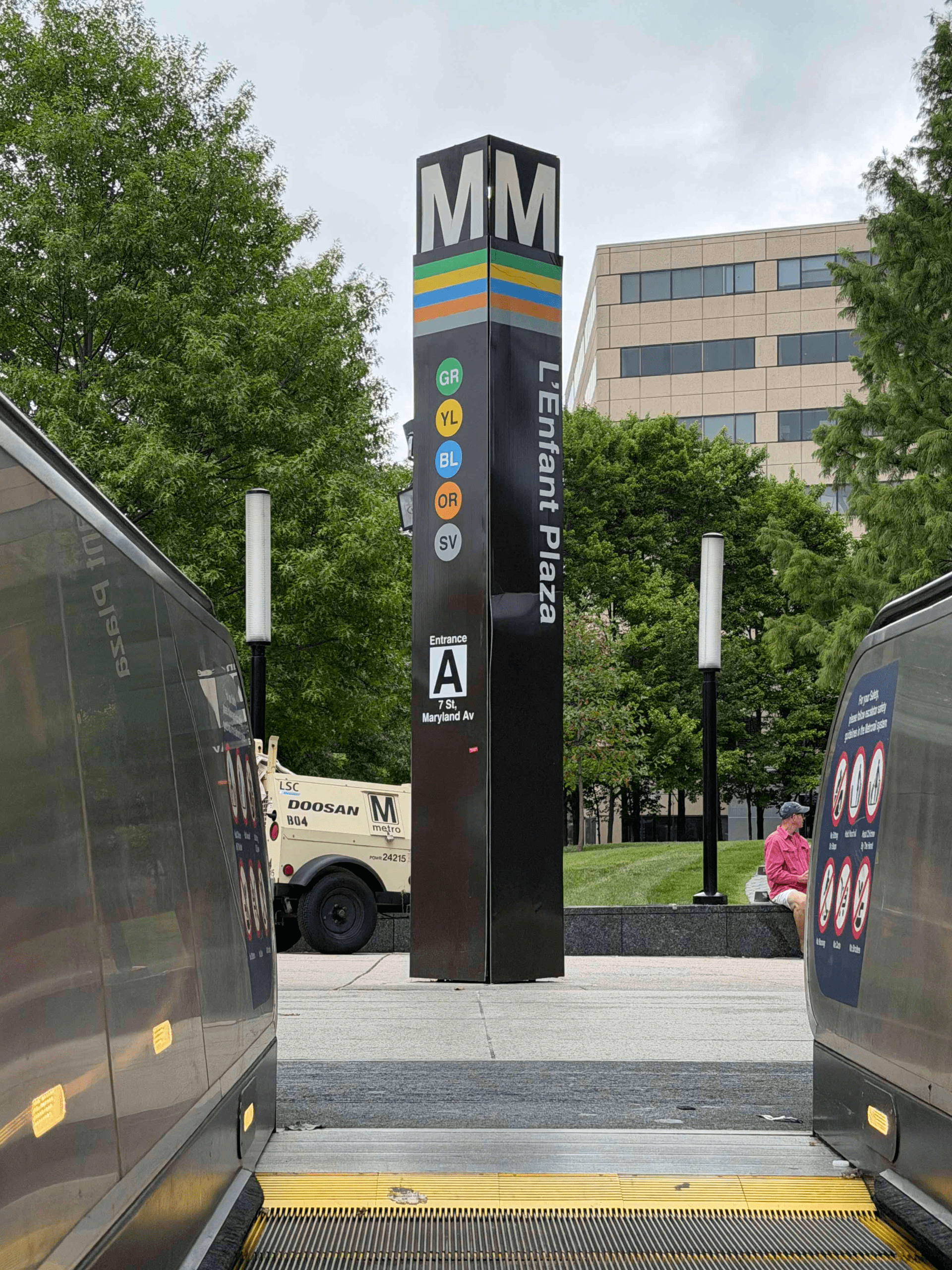
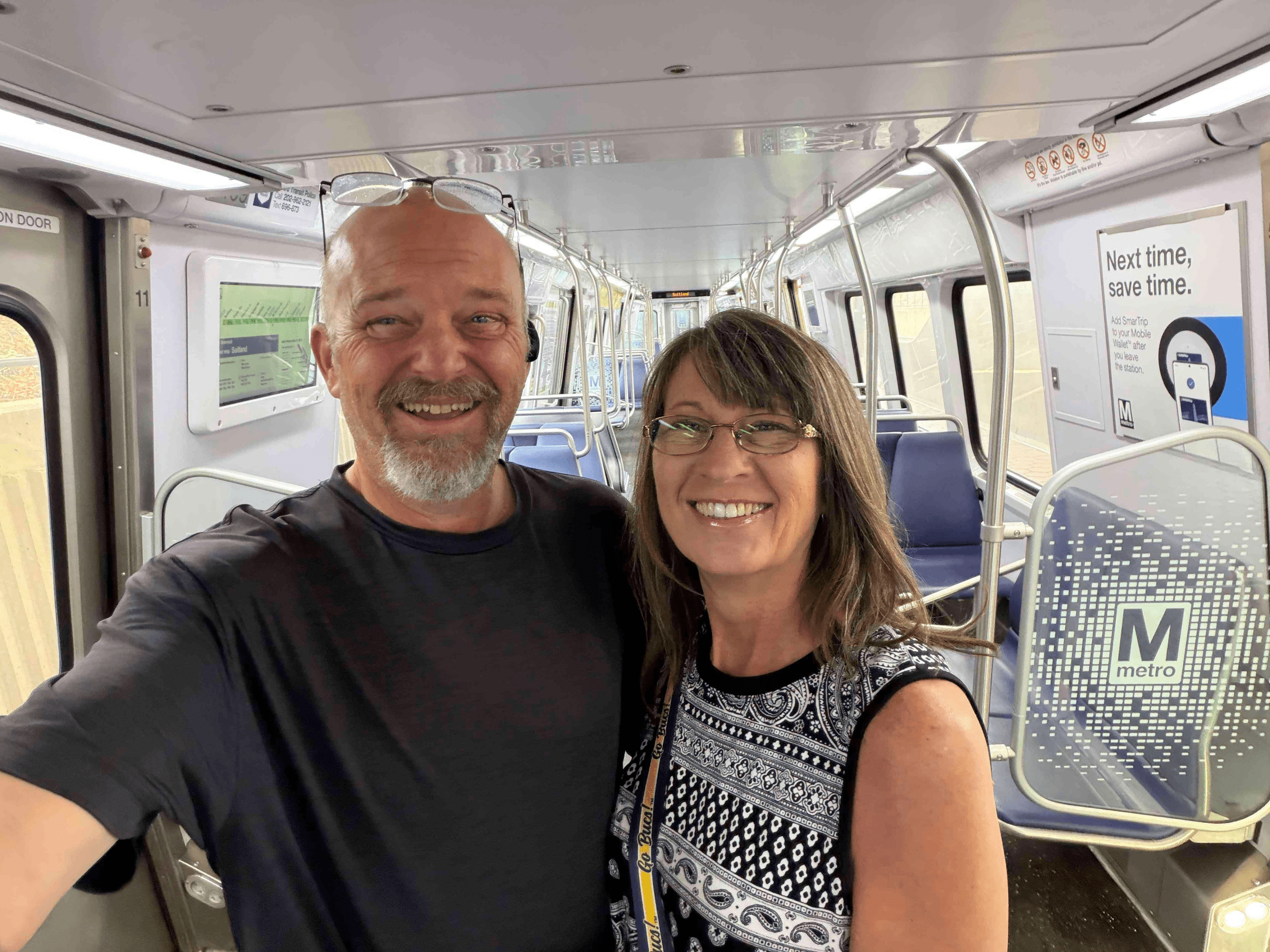
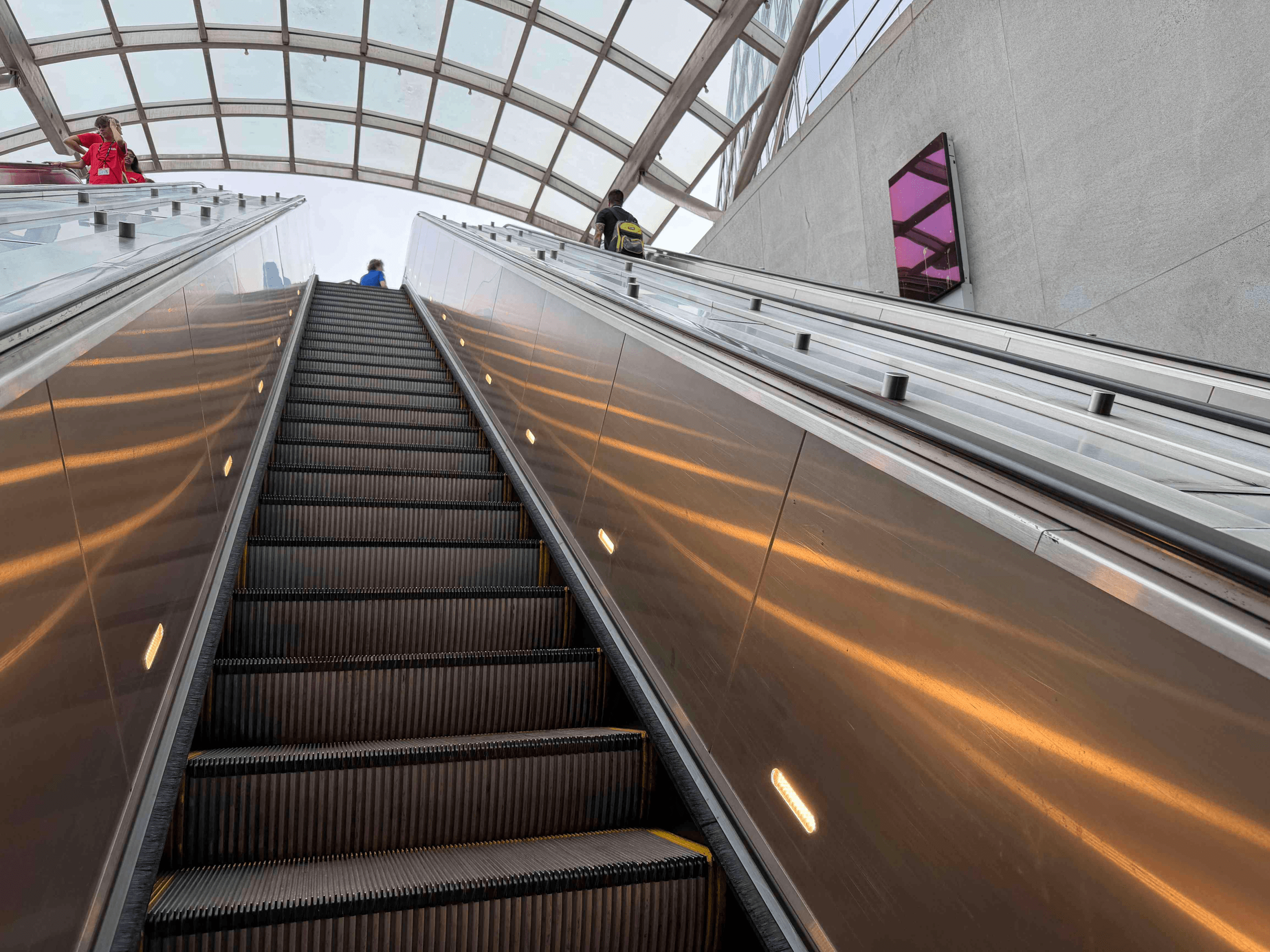
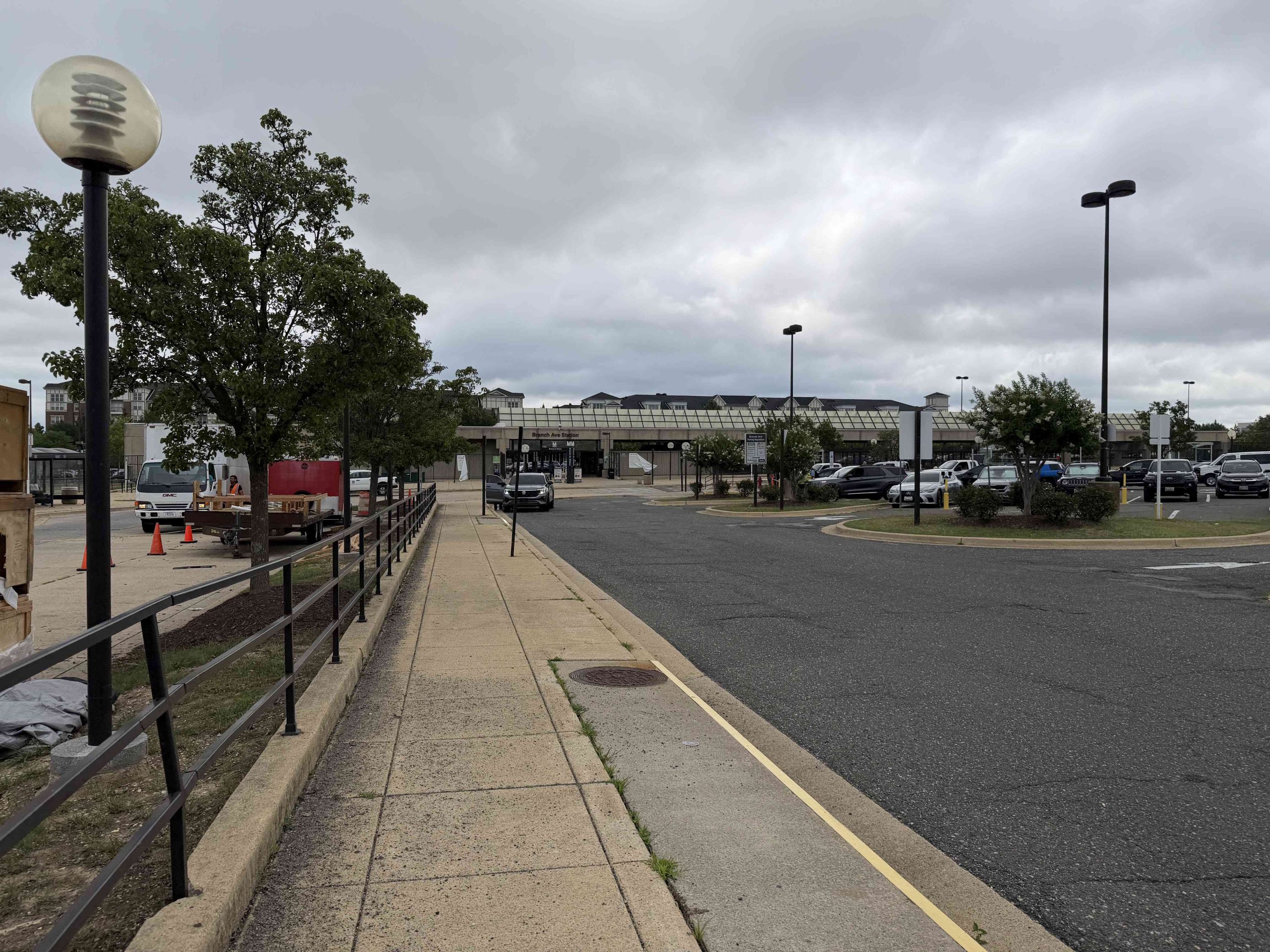
This is definitely the way to travel into D.C.. Park, ride, and let the Metro do the work.
We had driven by the fair during one of our first days in town and could tell right away that it was enormous. Seeing it from the road was one thing, but actually being able to walk through it should be even more impressive.
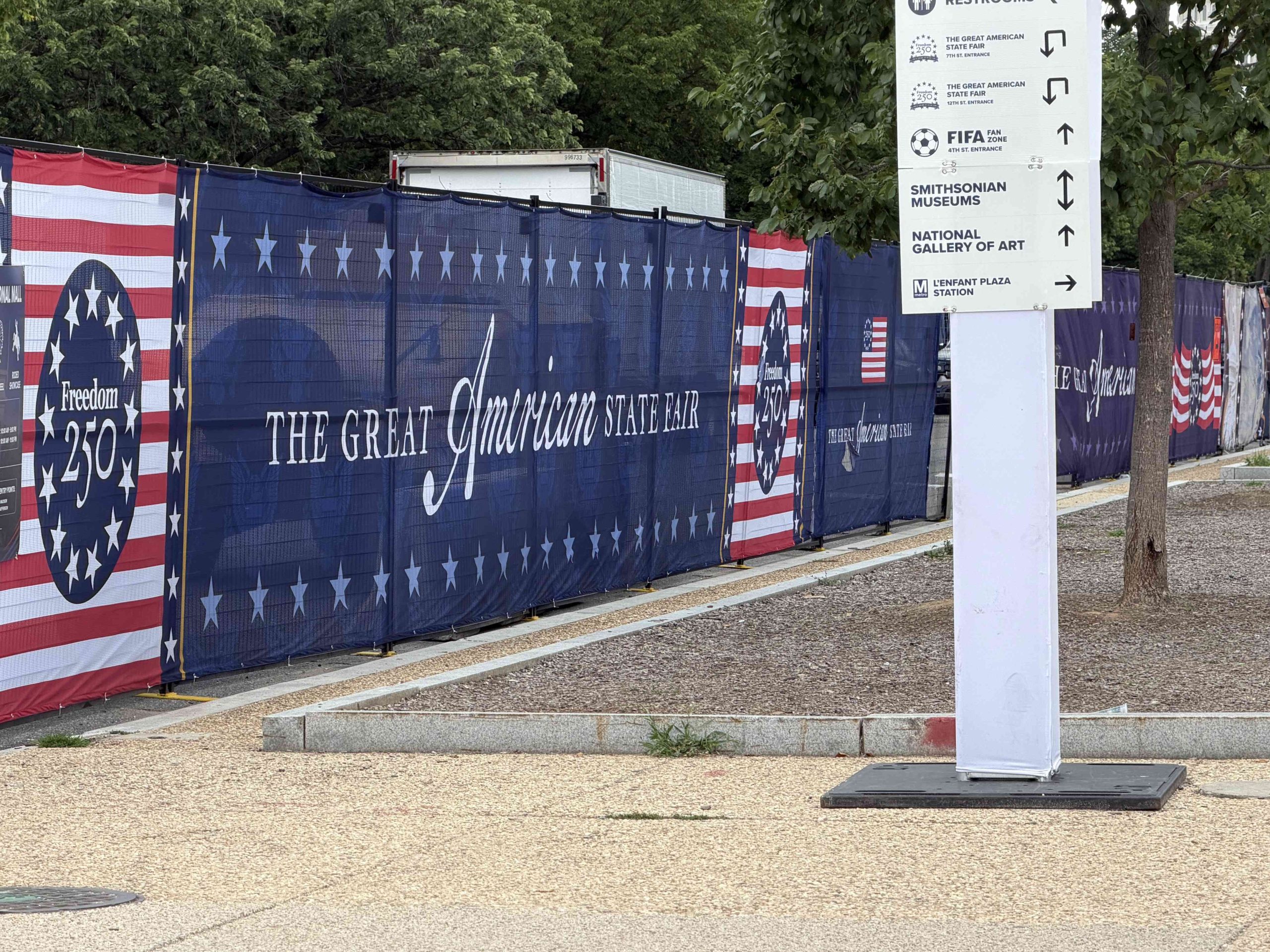
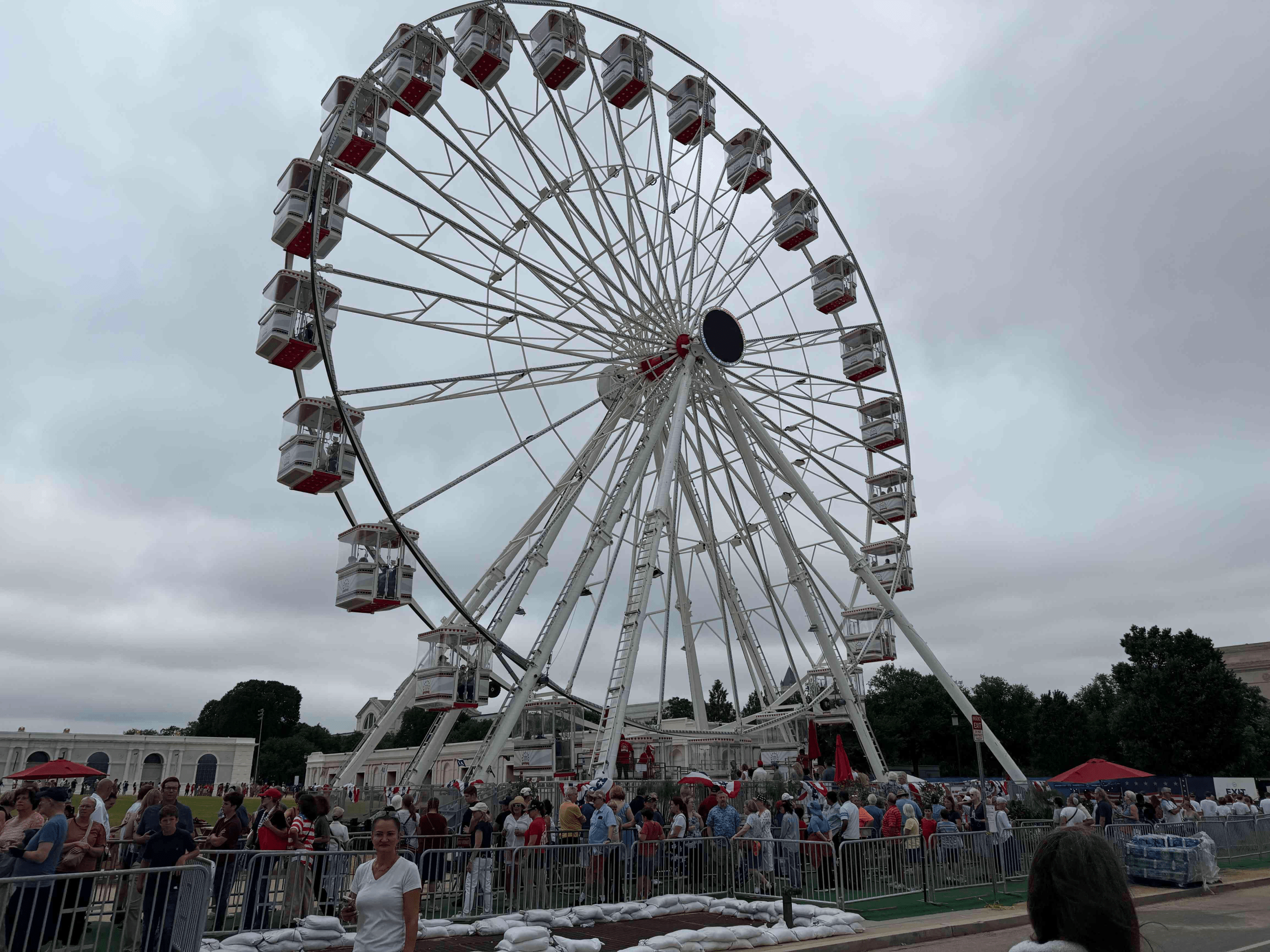
Side story: Knowing that we were going to the fair, we specifically checked what we could carry in with us because security was tight. If you do not know, you are about to find out that we are smokers.
Lighters are not allowed in Washington on any federal location, period. On the way up, we had stopped and gotten matches to carry since that was the solution we needed when we left the fair but would still be in town.
Beth had her clear bag, and I carried nothing in except what was in my pockets. As we approached the check-in lane, we once again read the prohibited items list that was posted very clearly. Beth had to remove a pen from her purse, and when they looked through my pocket items, my matches had to go.
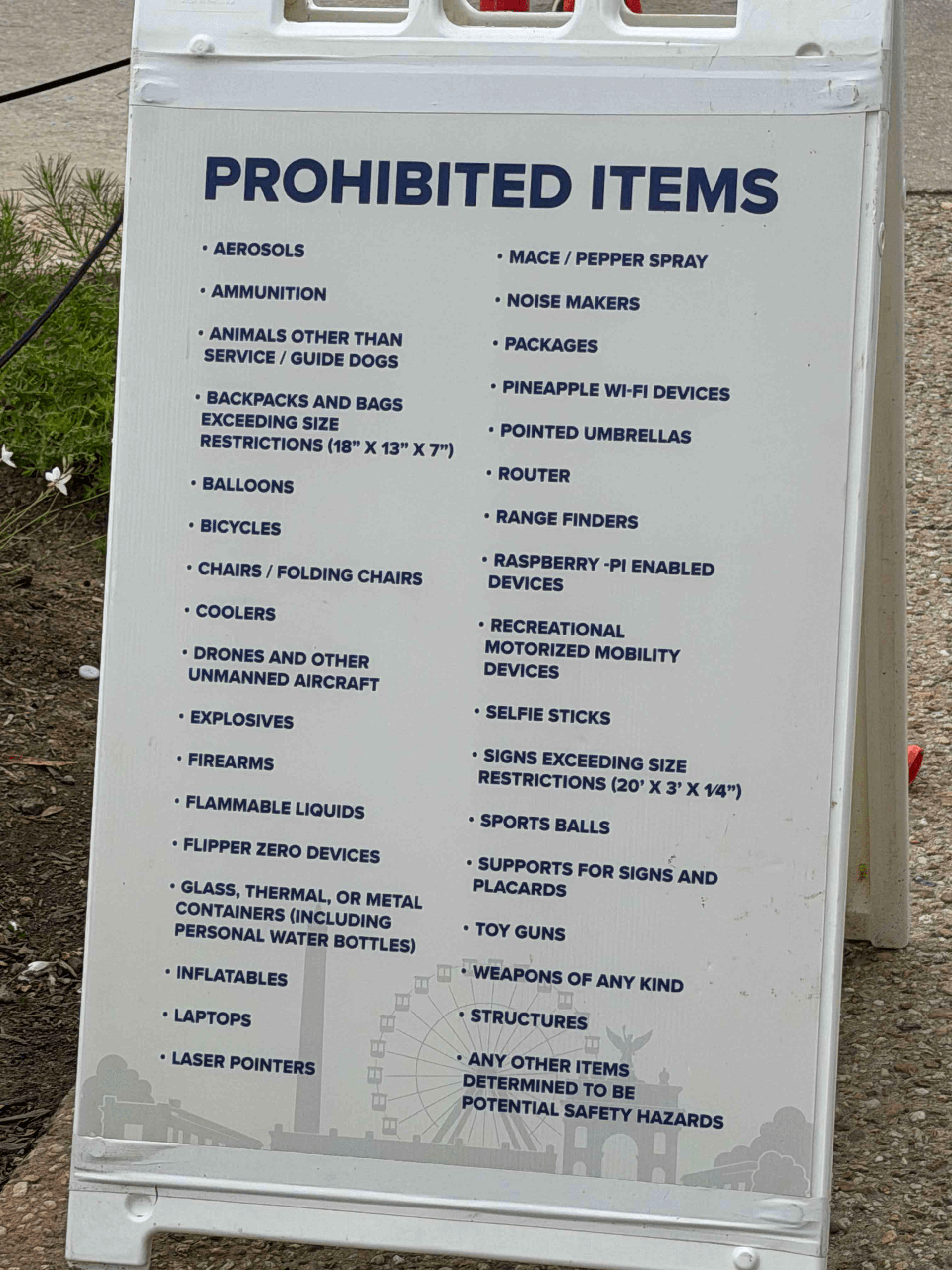
Of course, I argued, but he said if I had matches, I would smoke, and that was not allowed.
In the trash they went.
Good thing I did not pull out the second box I had in my other pocket, and it was a good thing he did not see the box that was clearly visible in Beth’s clear purse.
Whatever.
We should become drinkers because those people have access to beer everywhere, including the Great American Fair.
Sorry for the rant. On with the story. We have made it to the fair.
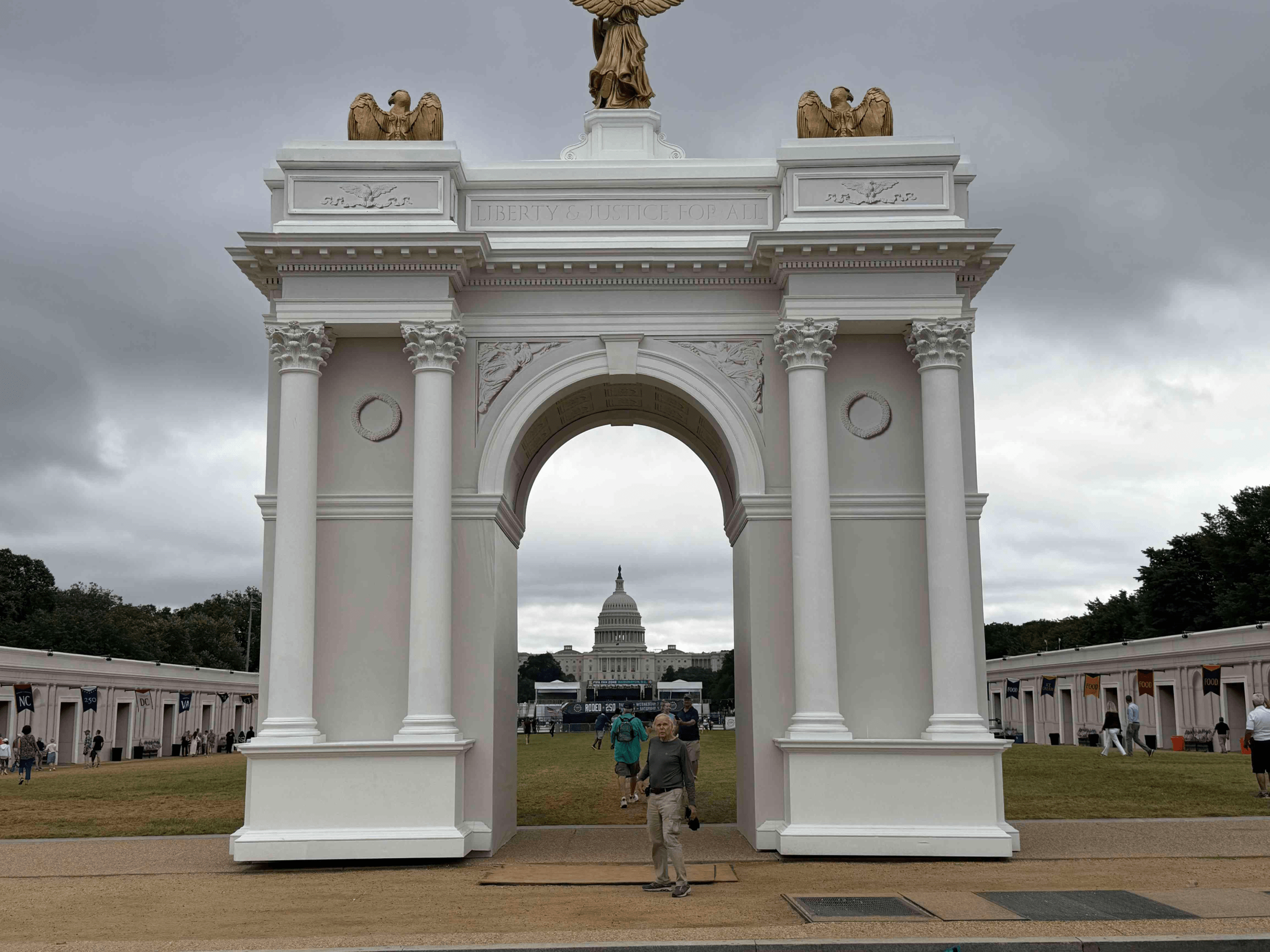
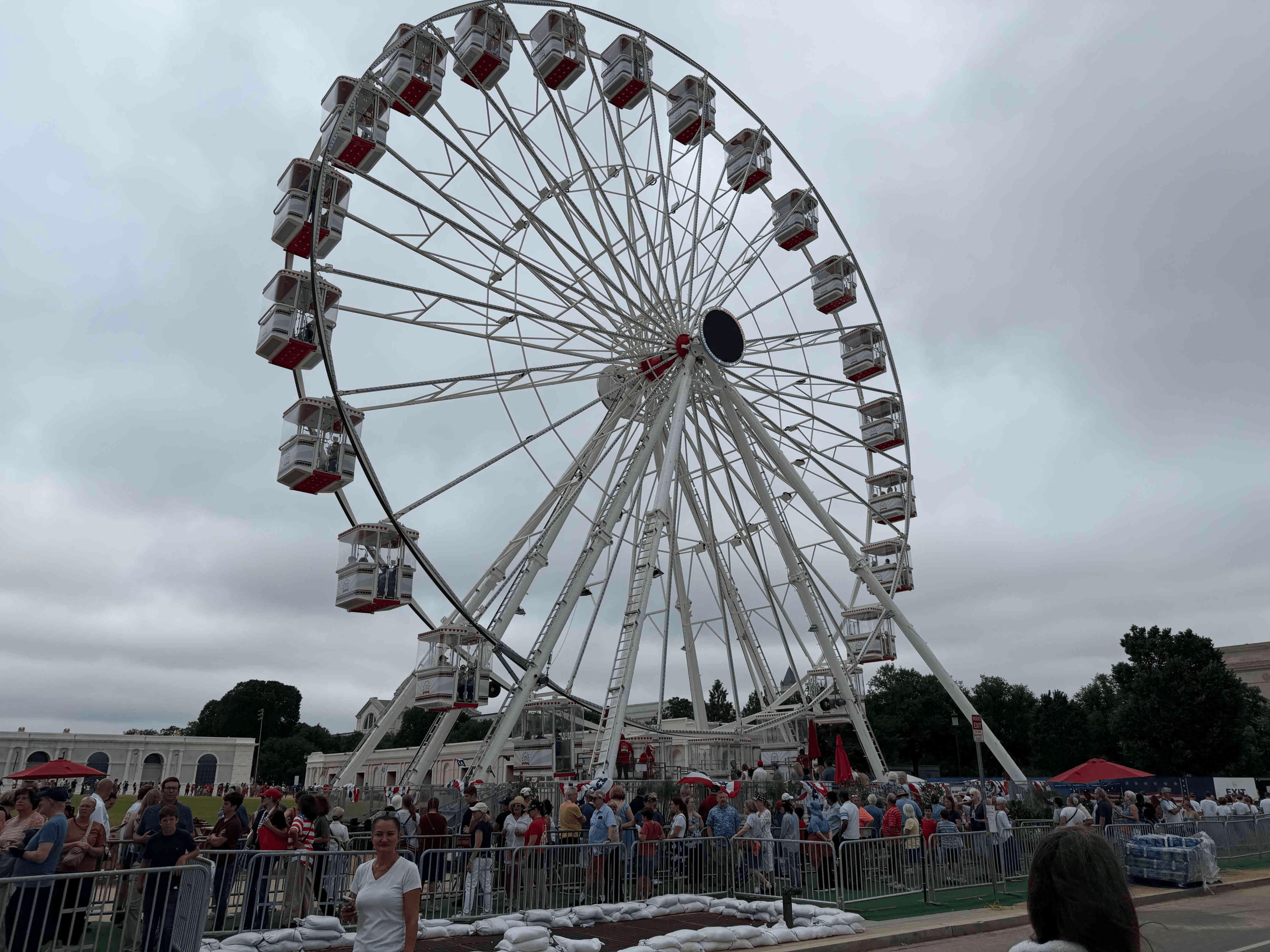
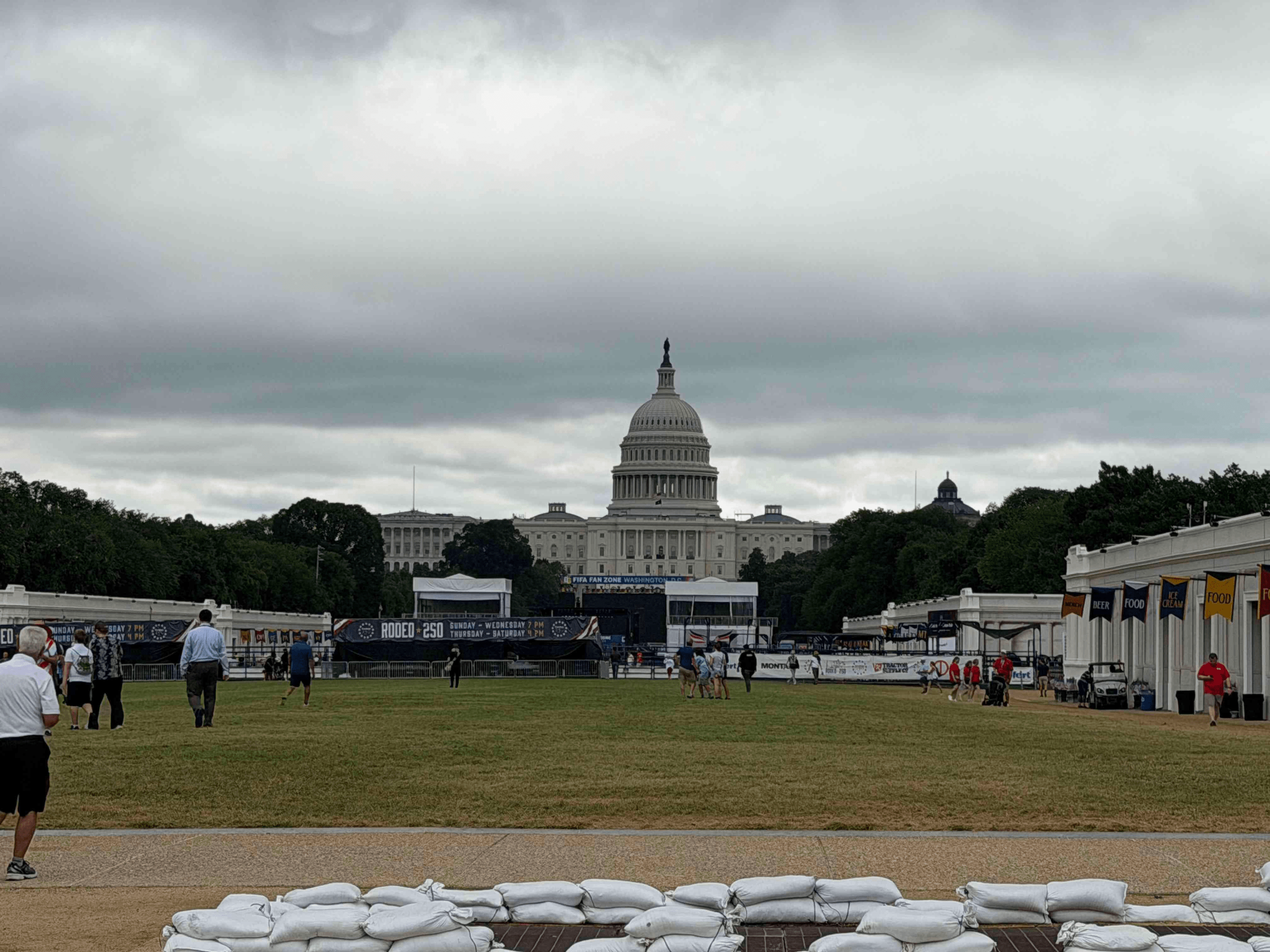
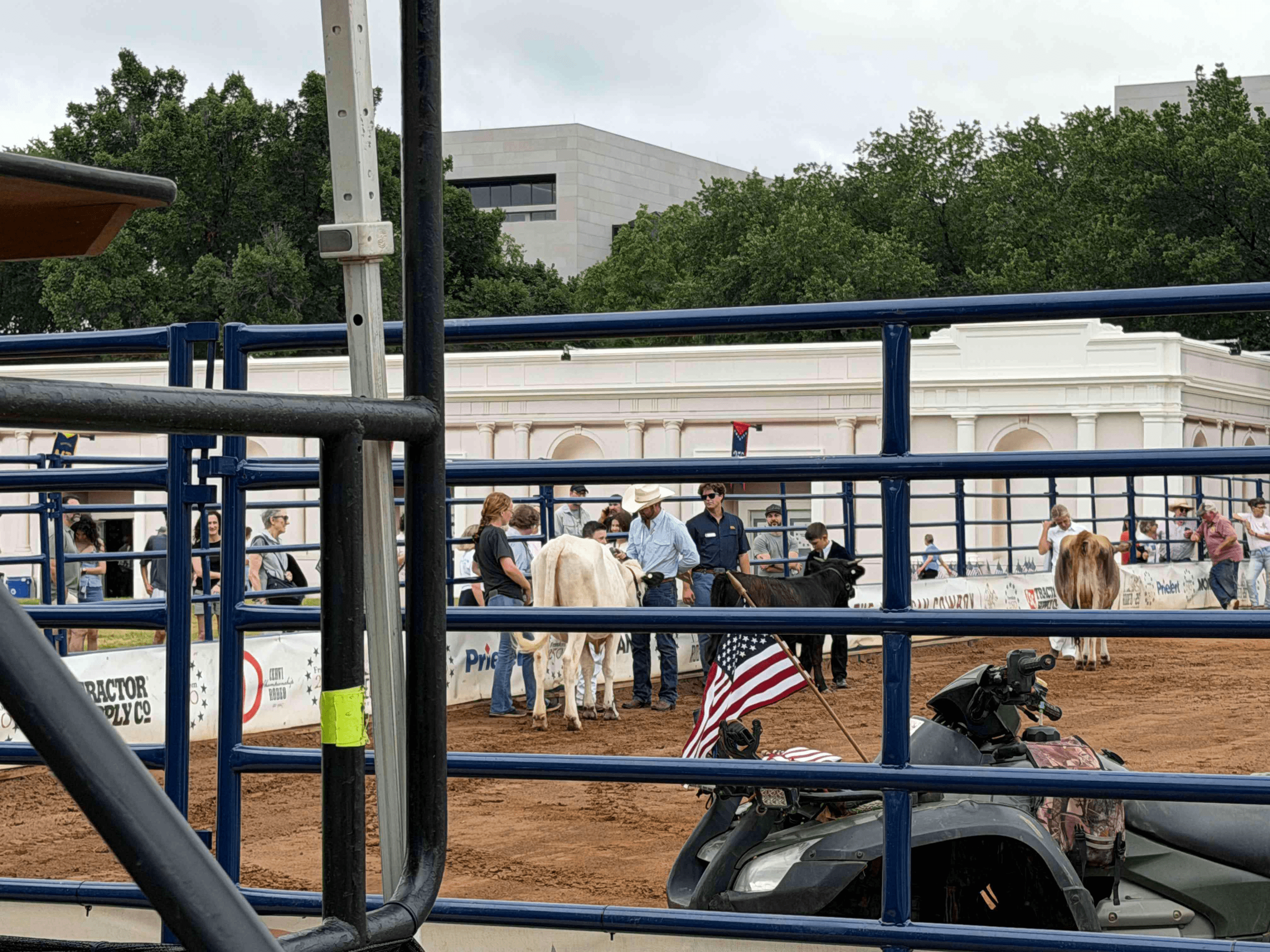
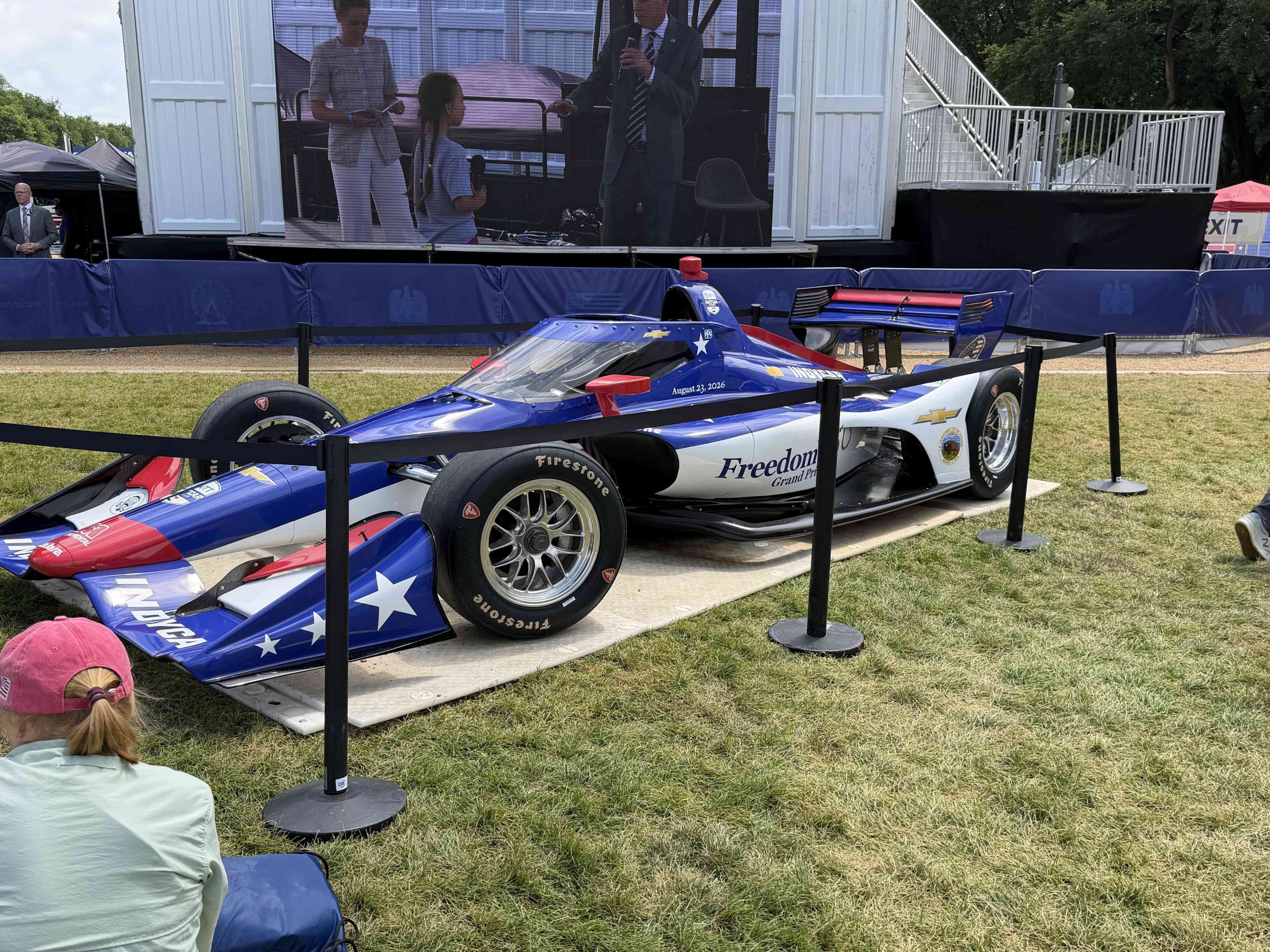
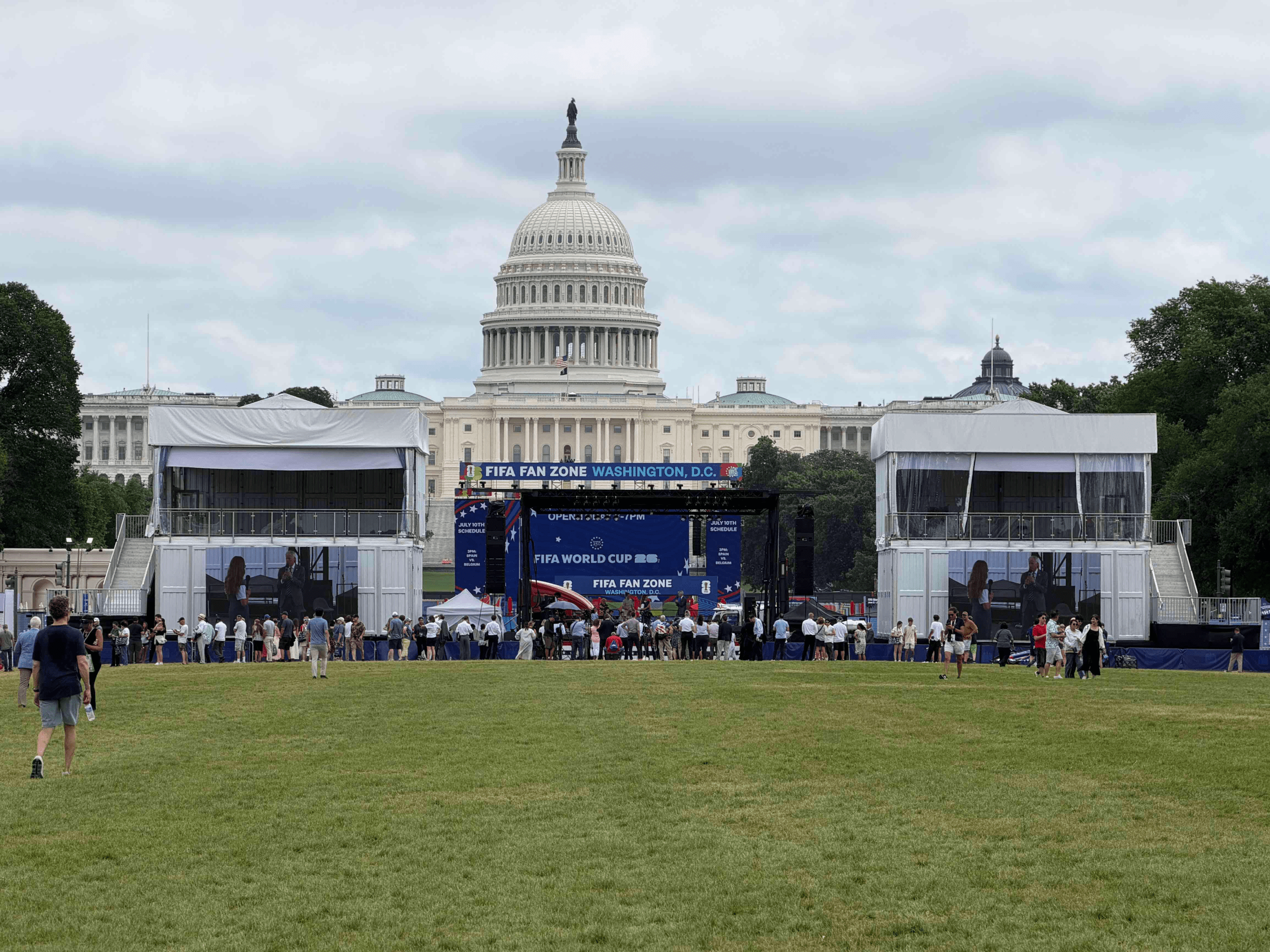
One feature we really wanted to see was the exhibits from all 56 states and territories. Each state and territory had its own space set up to showcase what made it unique. With the exception of New York, where the line stretched all the way across the National Mall, and Florida, where people were lined up to see a gator inside, we entered each exhibit.
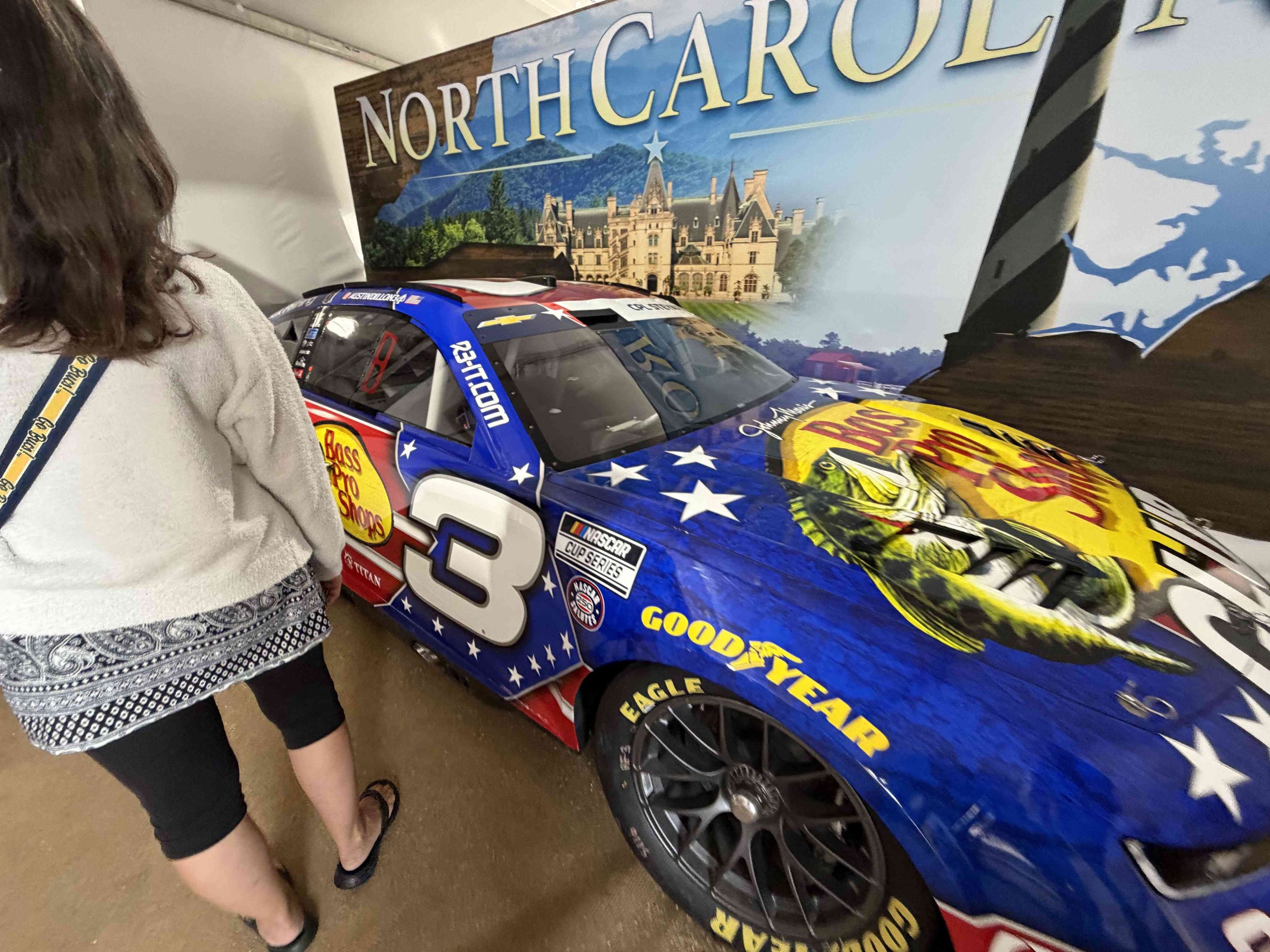
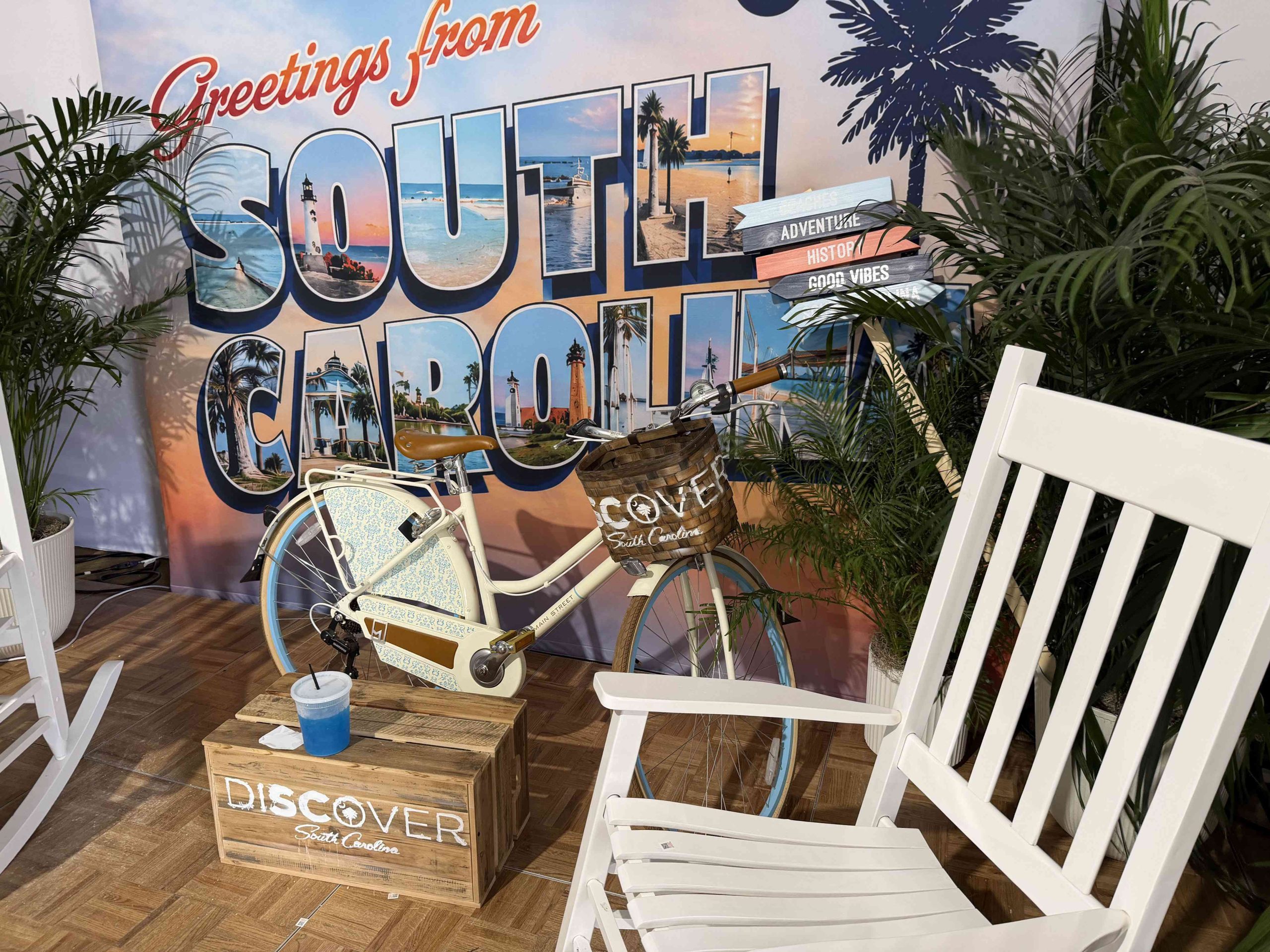
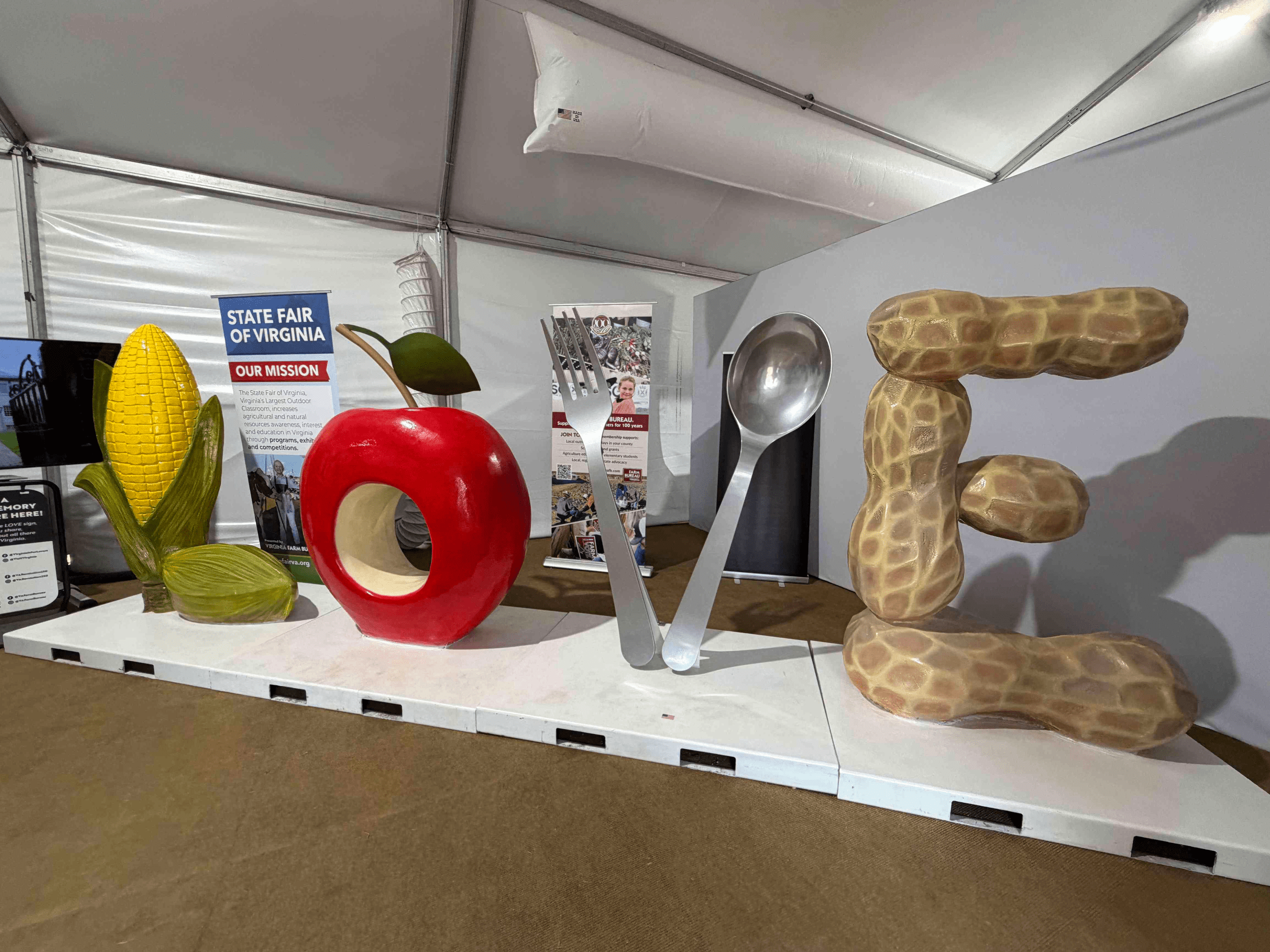
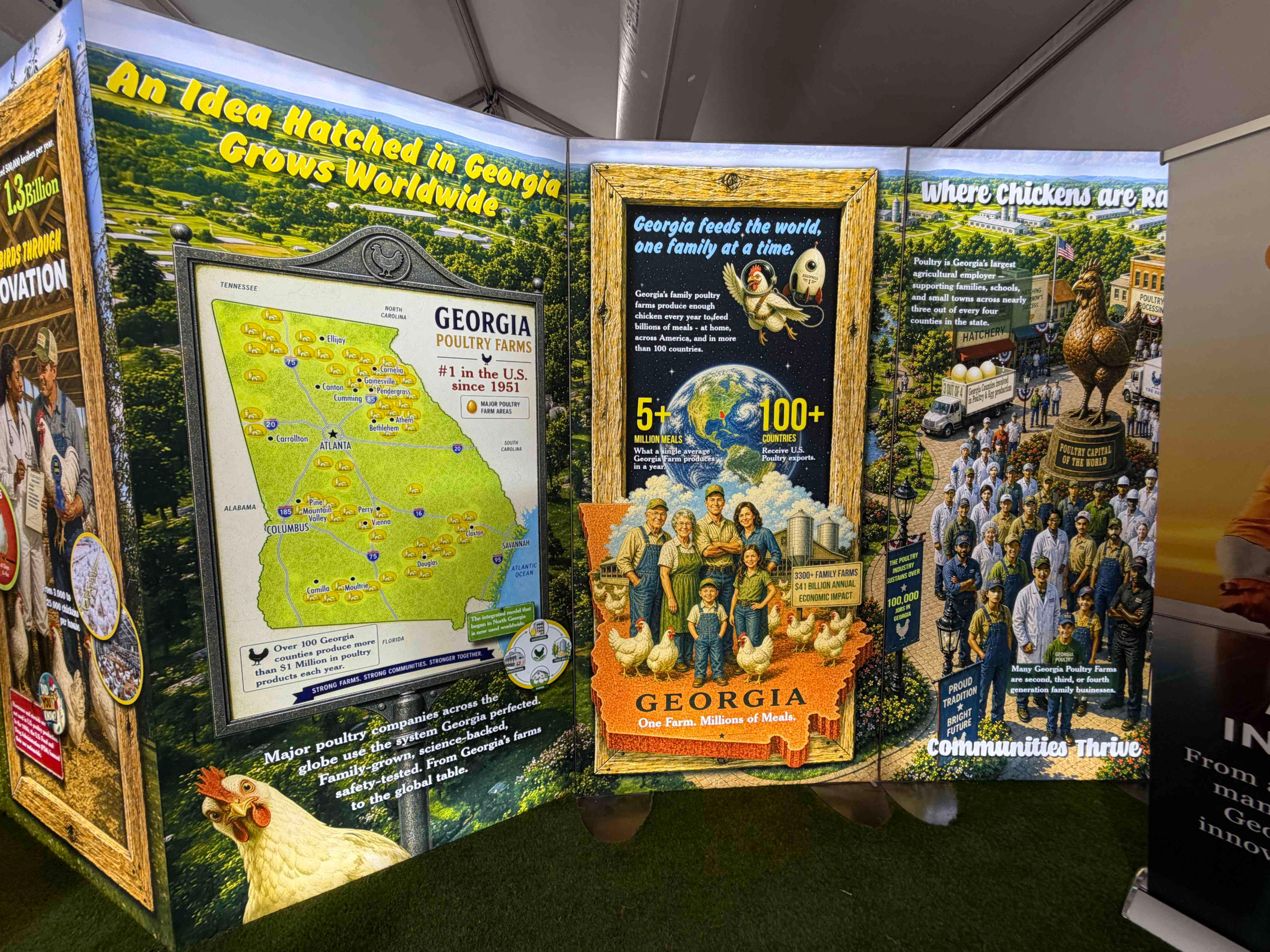
They were very impressive, and each one did a great job representing its area.
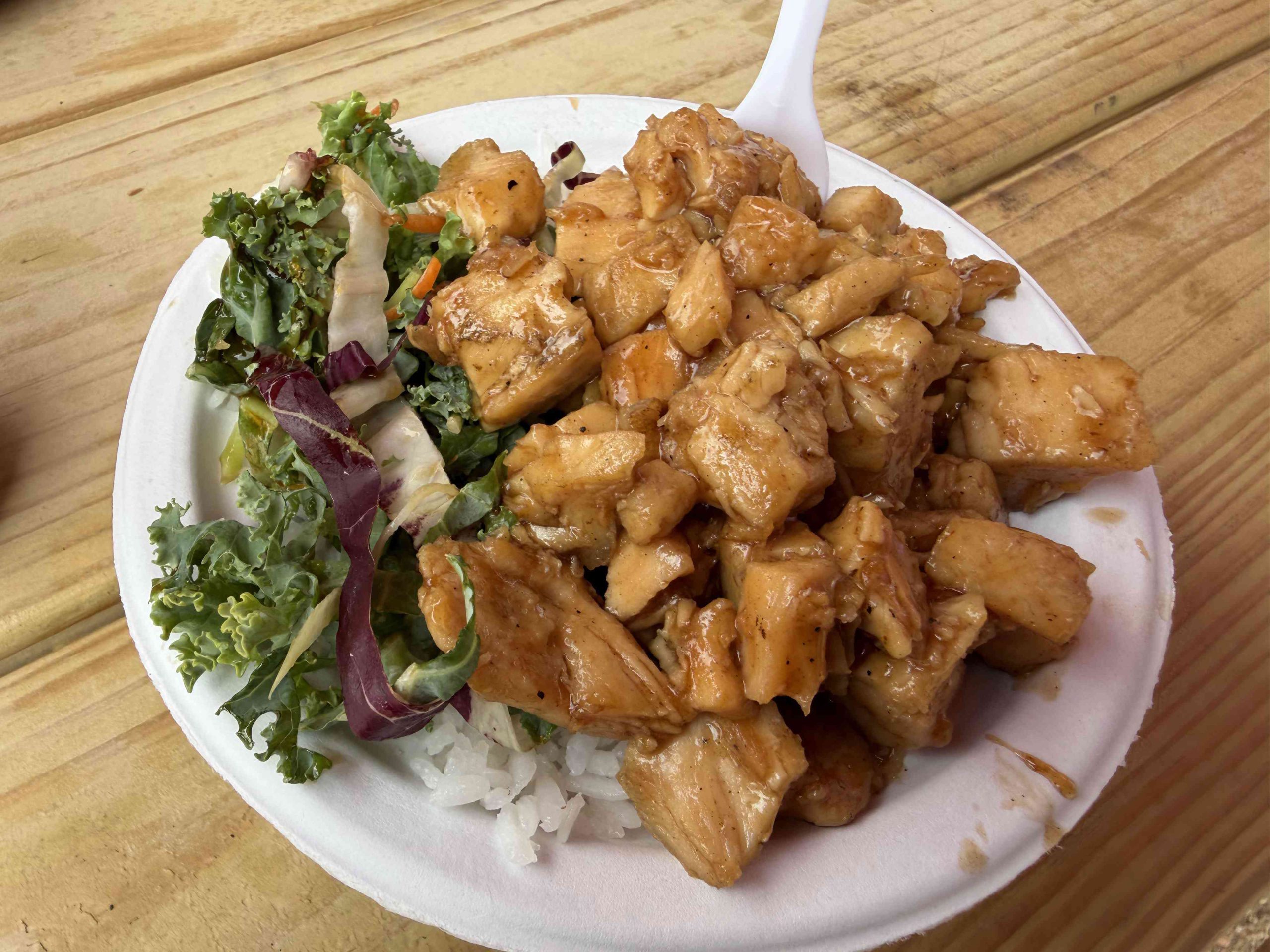
We paused for lunch and each had some very good American Fair food. I had teriyaki chick with rice and salad, Beth had a chicken Caesar wrap.
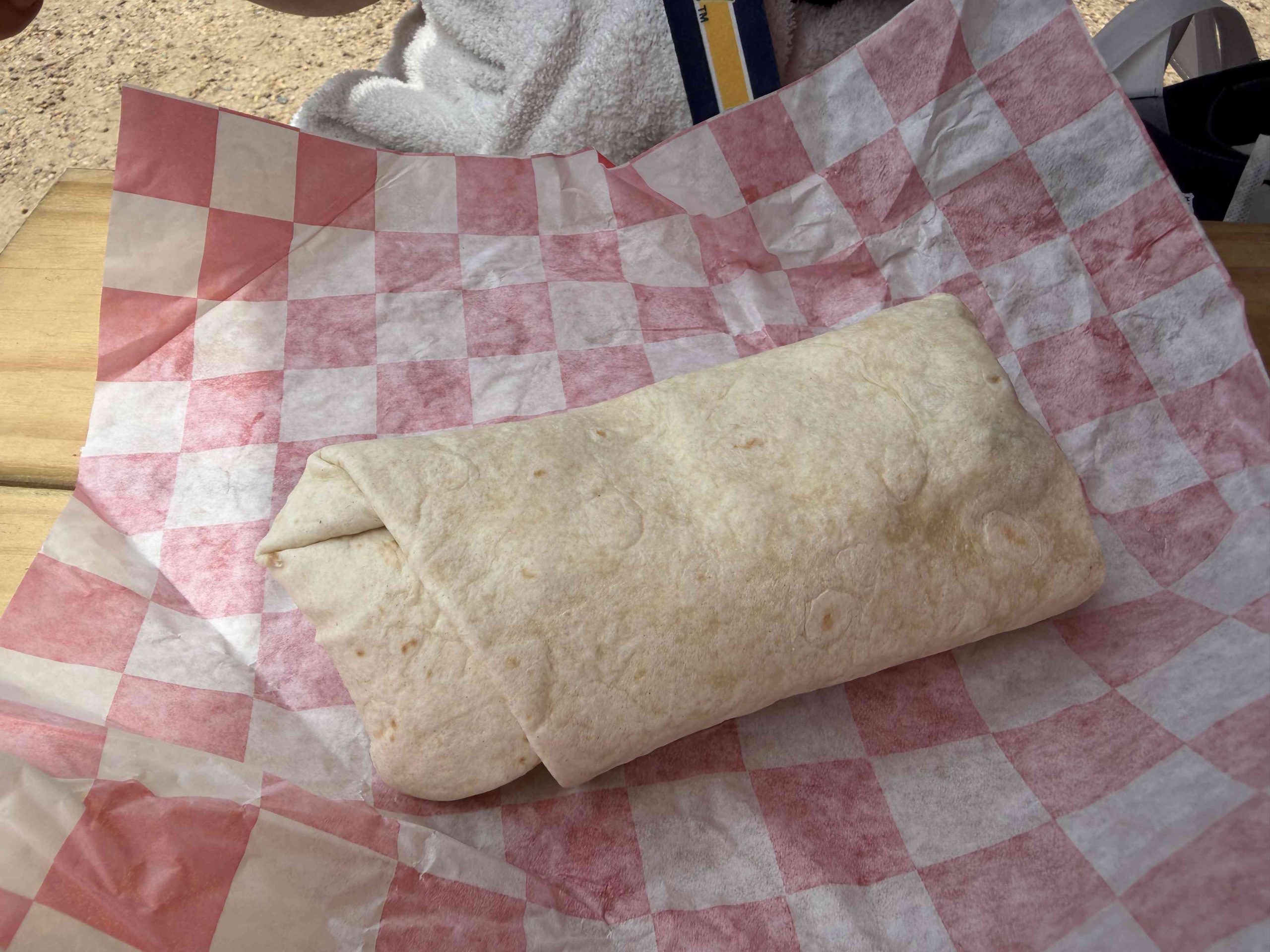
After lunch we finished the circuit of states an territories.
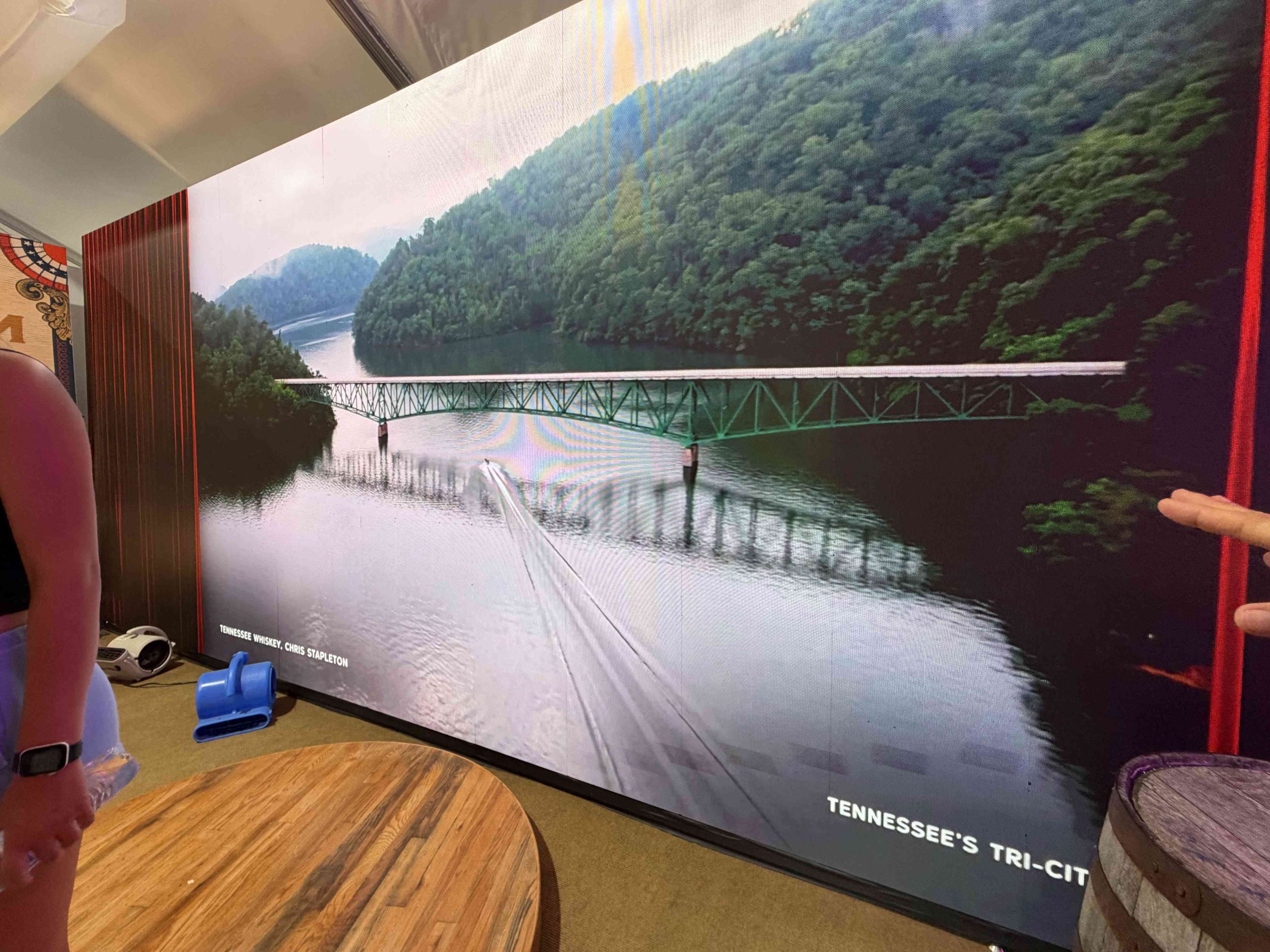
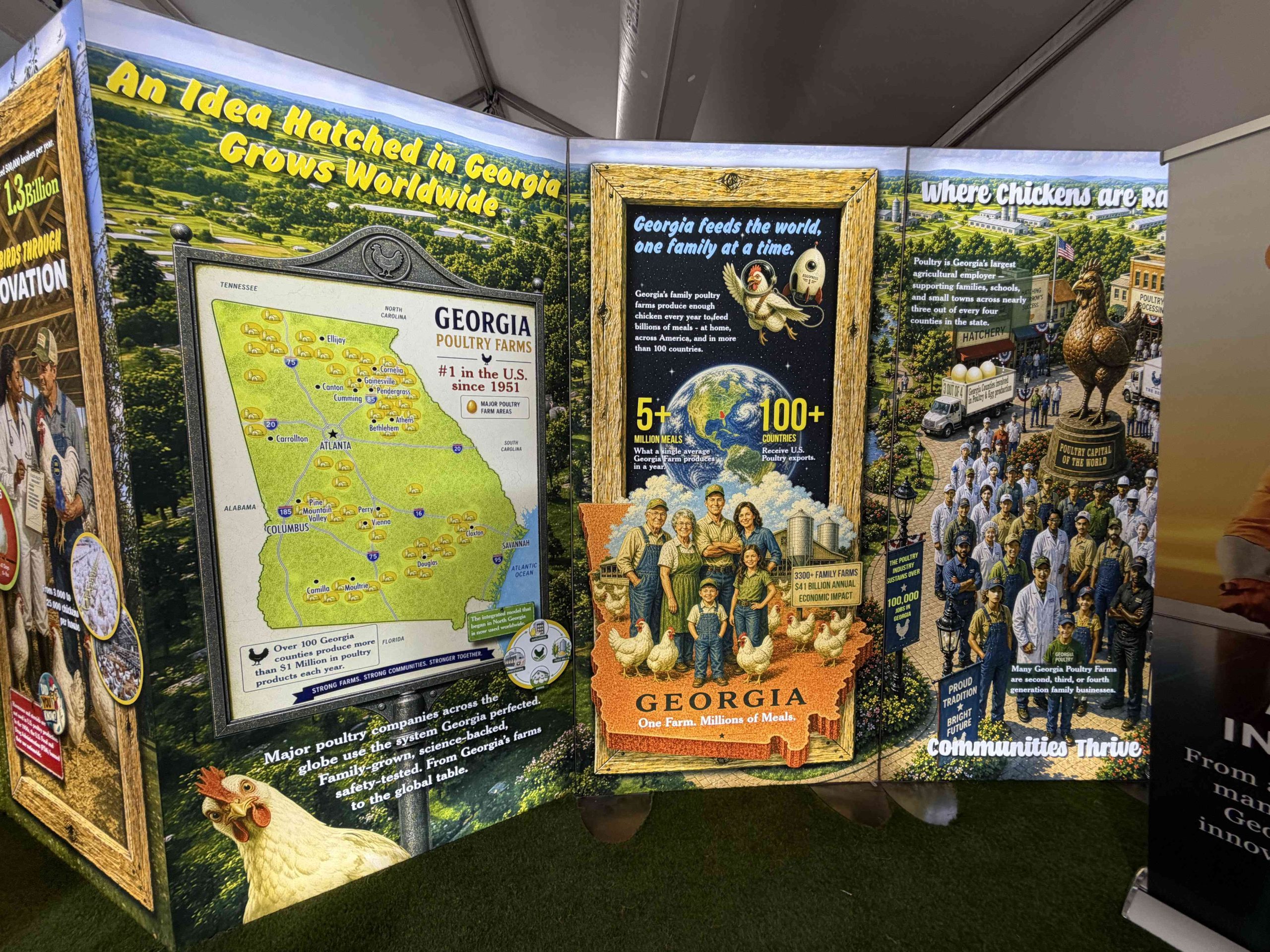
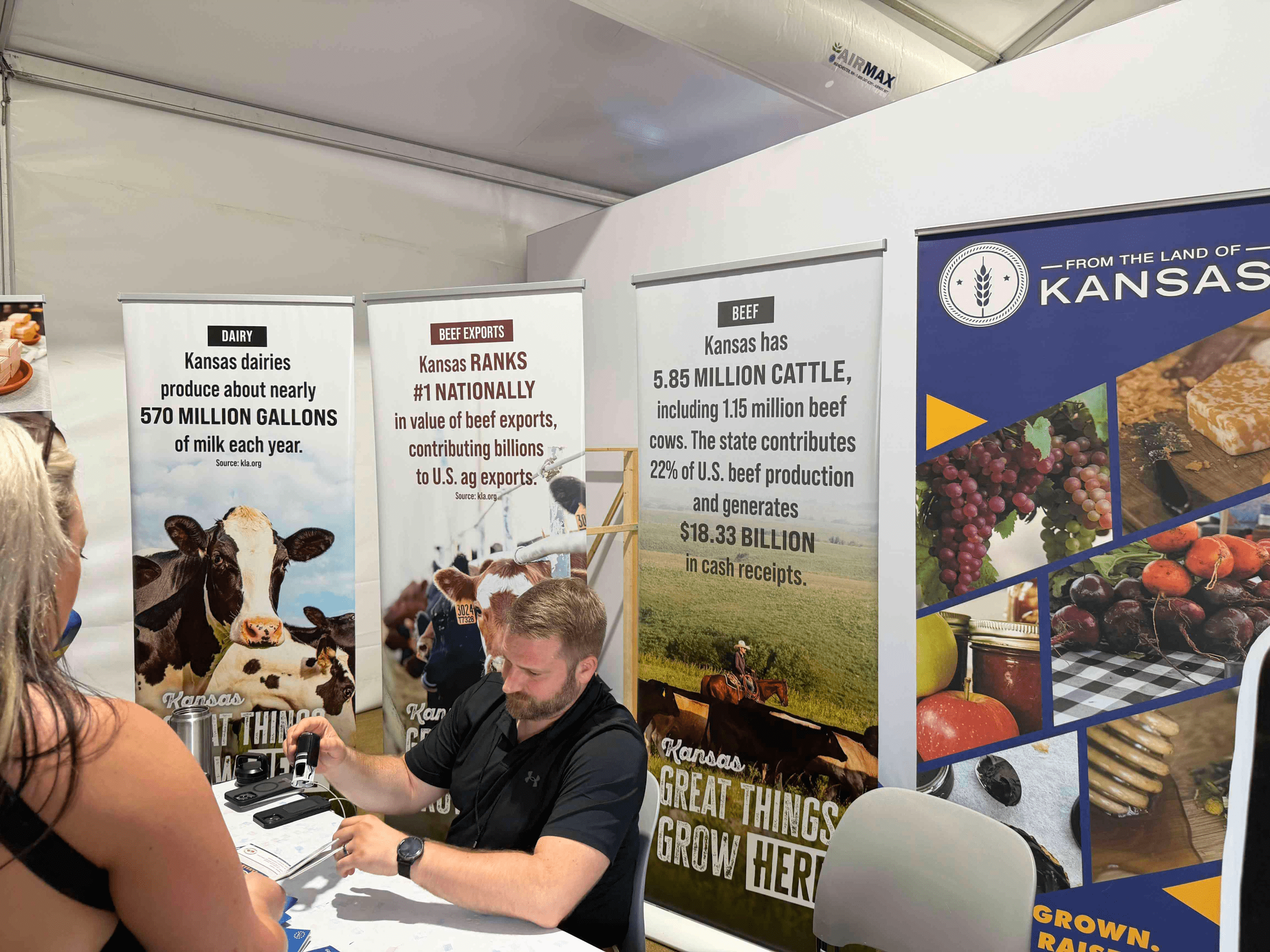
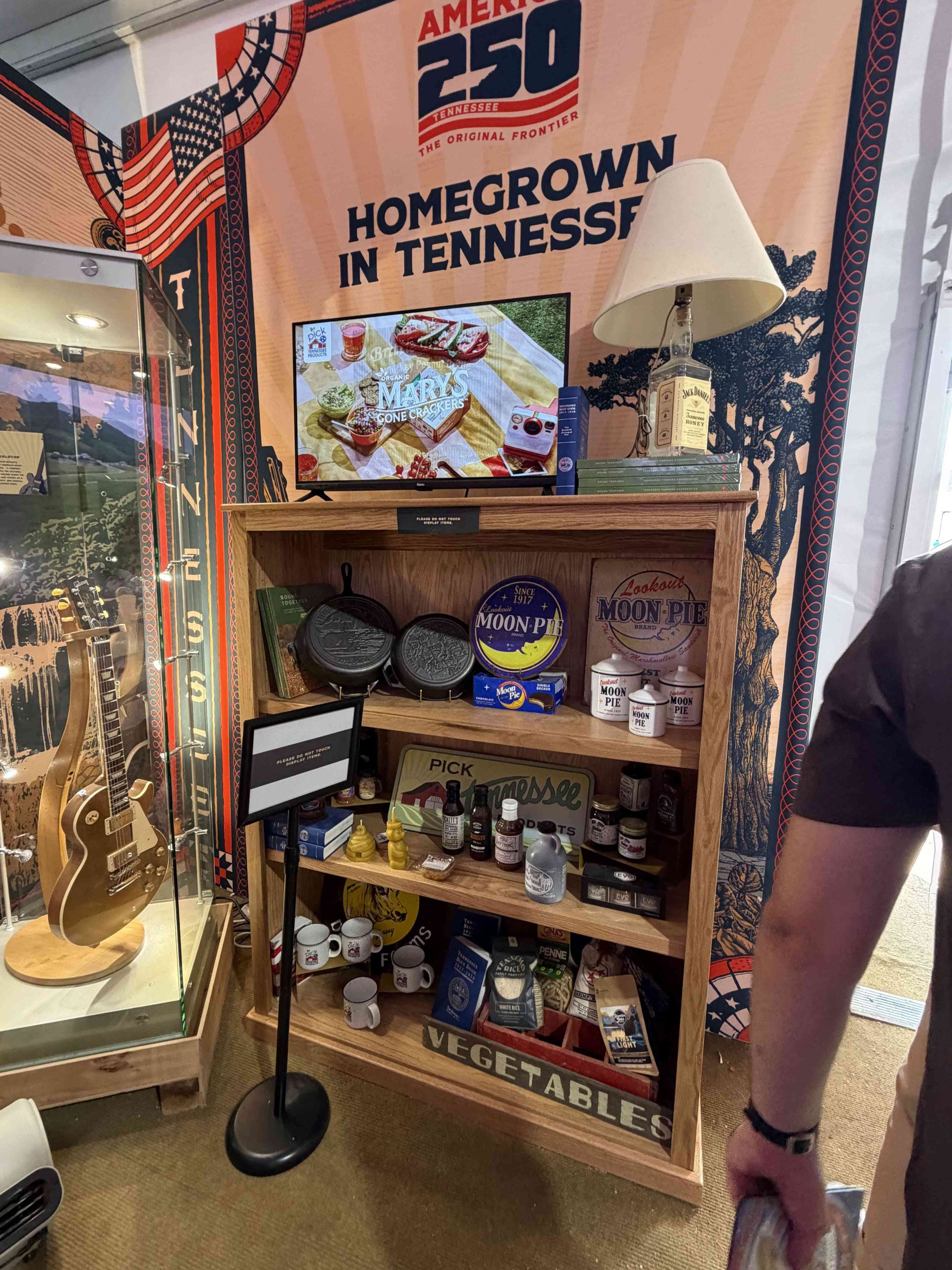
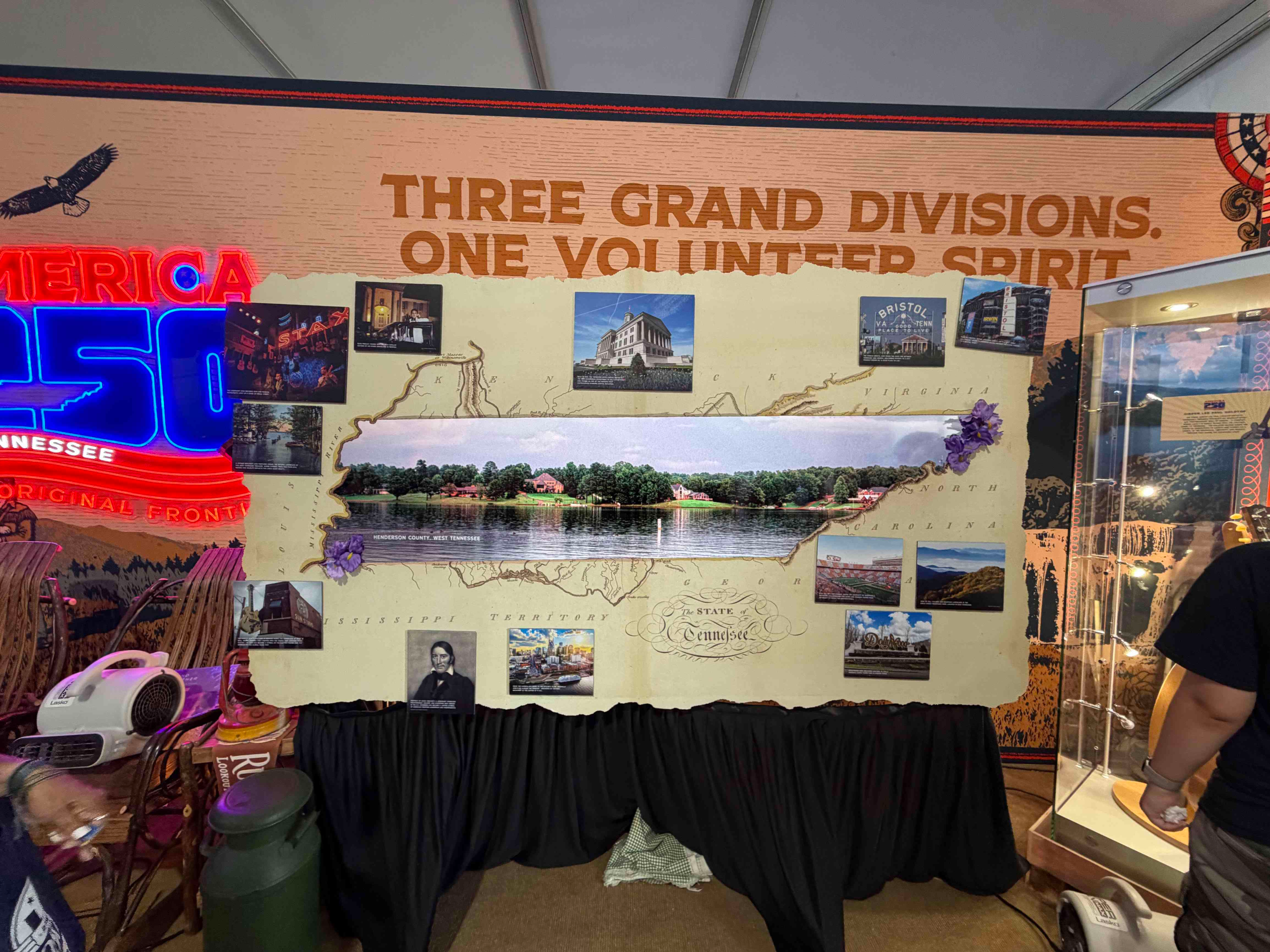
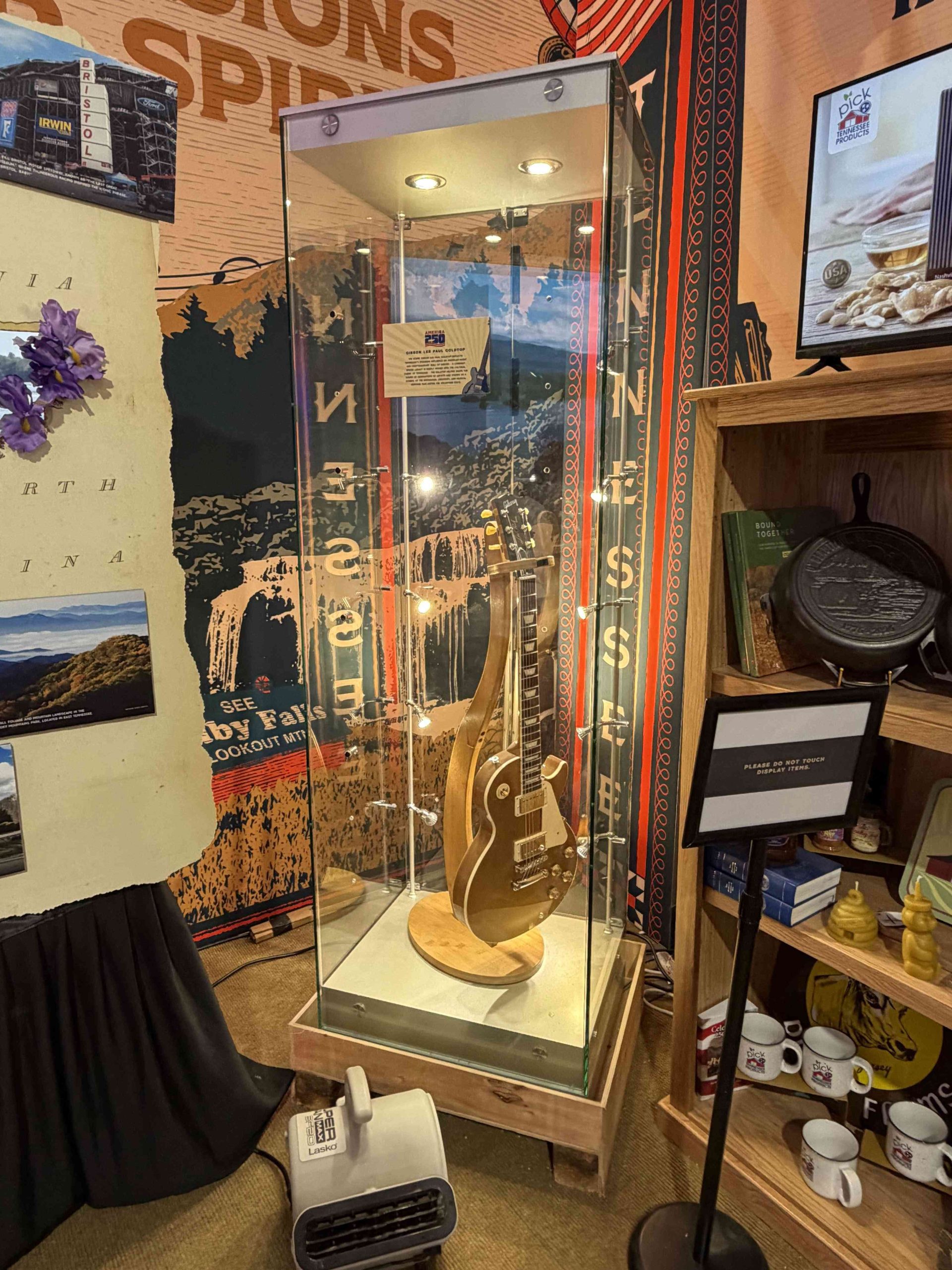
We did not get the souvenir stamp book and have it stamped at each state. Living in a camper has a way of making you think twice about what you collect, and chances are we would not have looked at it much again. Instead, we captured each exhibit with photos, which we can go back and view anytime. We also did leave with a pretty good haul of stickers and promo items. You can view the photos here

On our way back to camp, I remembered a store I had noticed on our first day heading toward Harbor View. All I could remember that I had taken a photo of the place.
That was enough for the GPS to get us there.
It turned out to be our kind of local “tourist trap.” We did not realize they also served meals, or we may have chosen it for food earlier. What we did find was a huge selection of gifts, gadgets, candy, and all the fun little things that make places like that worth a stop.

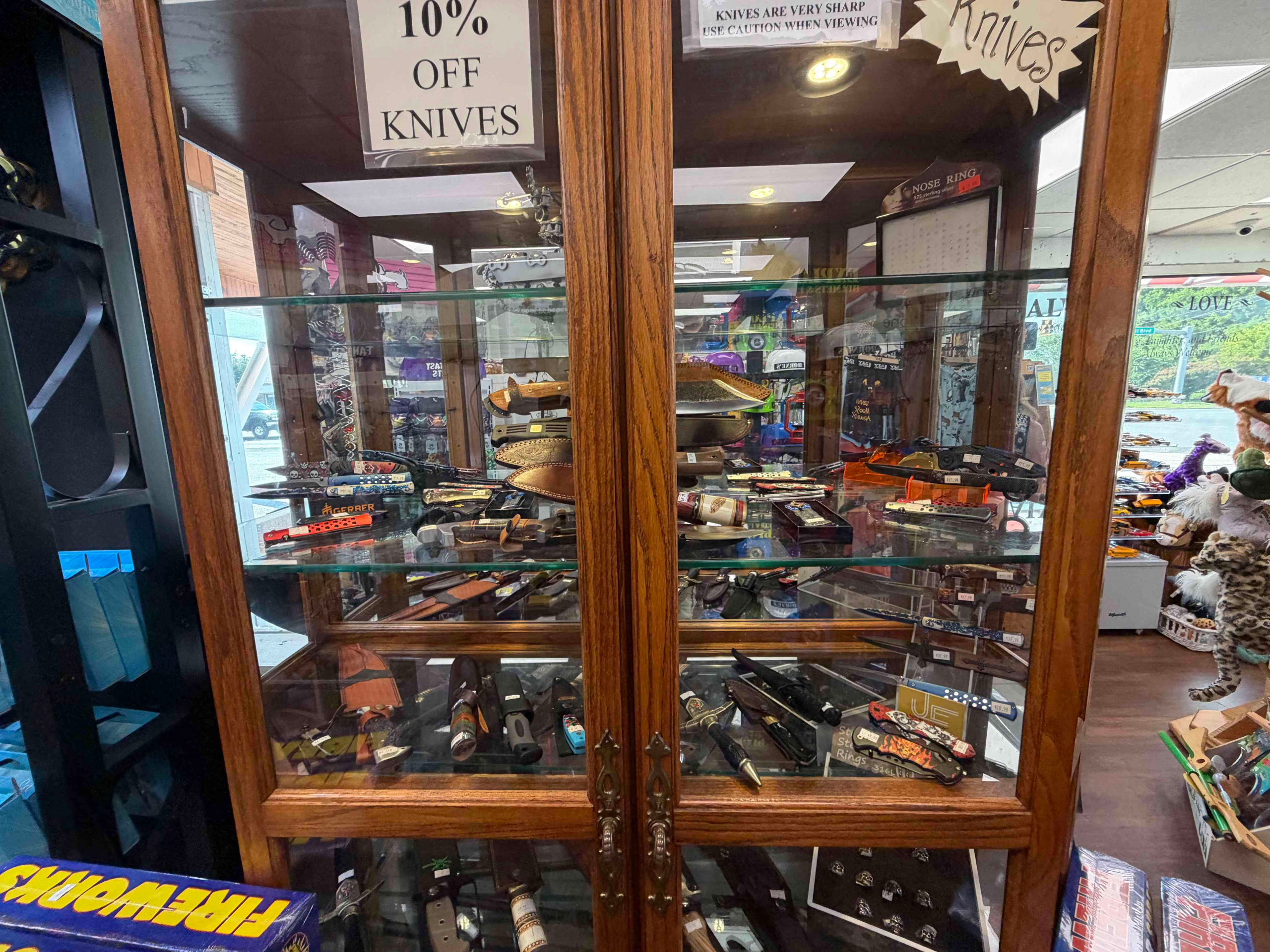
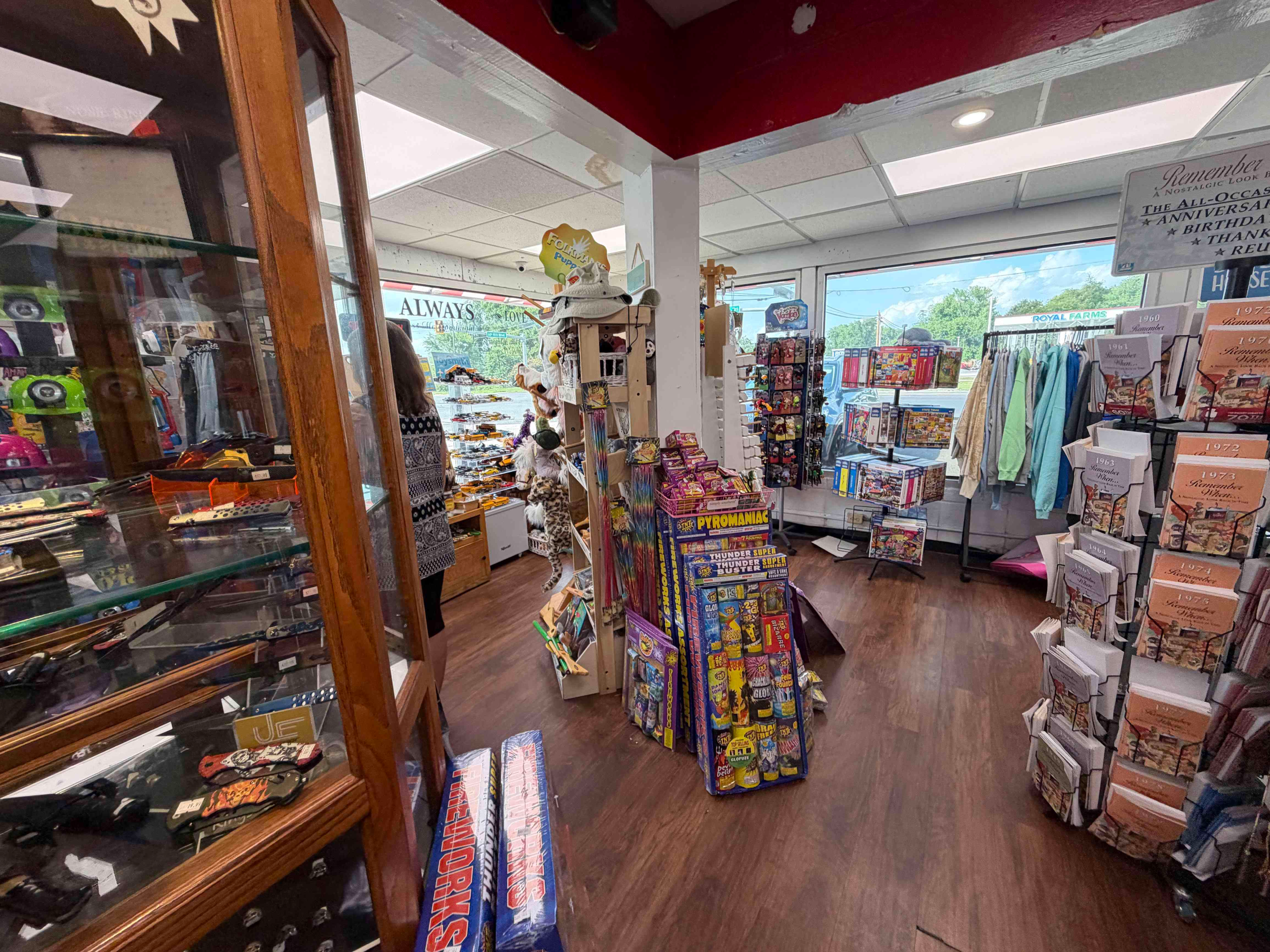
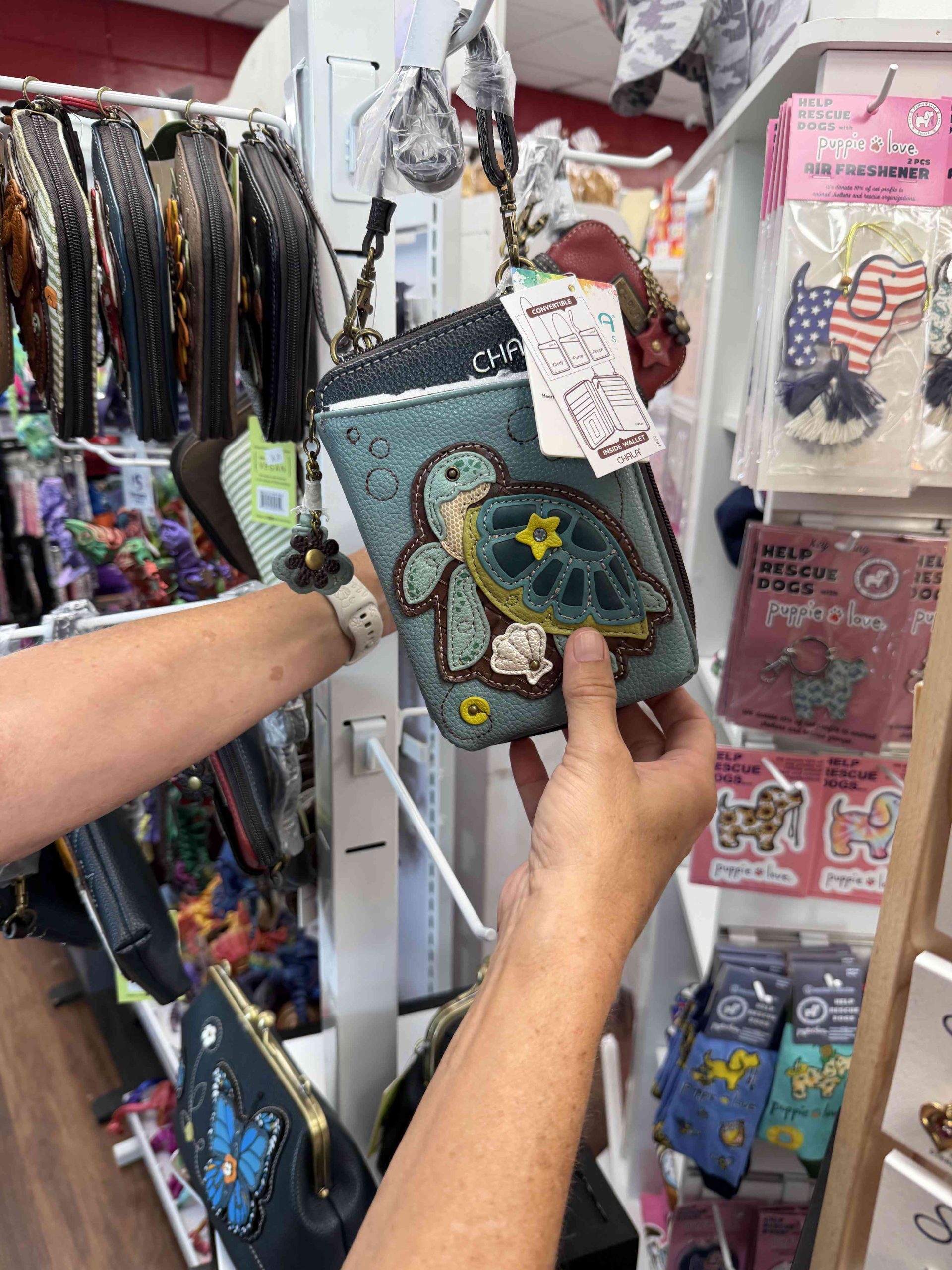
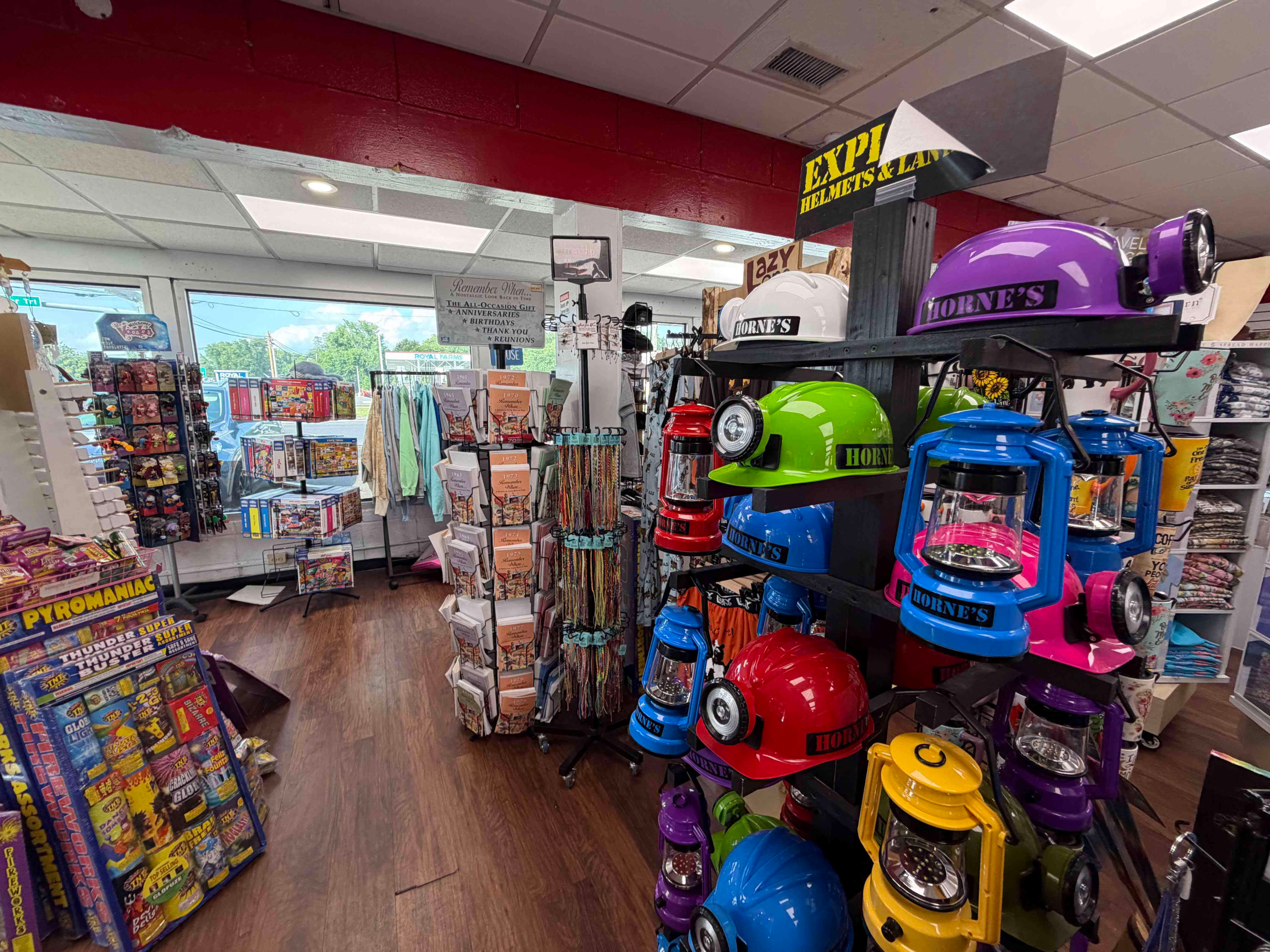
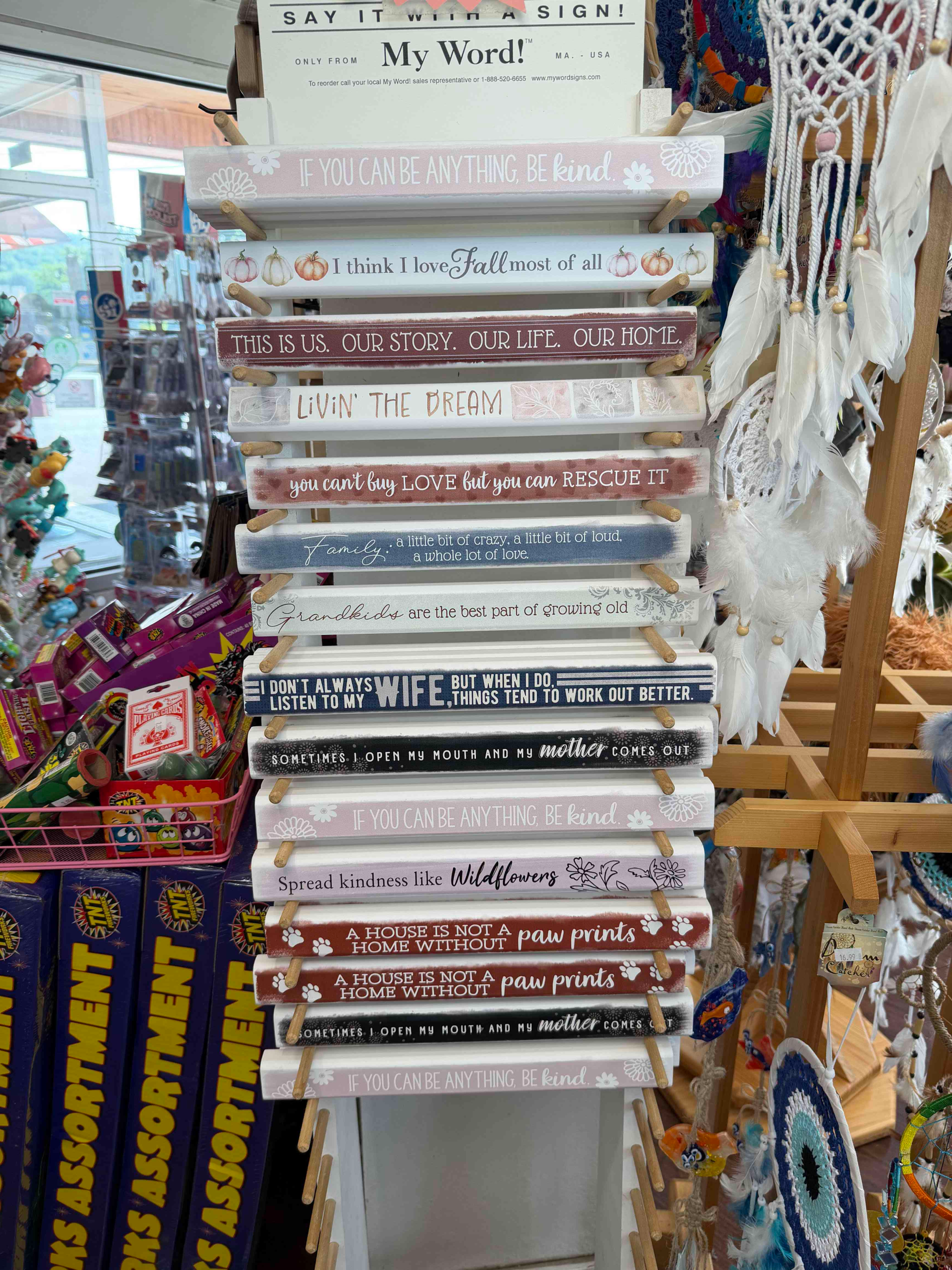
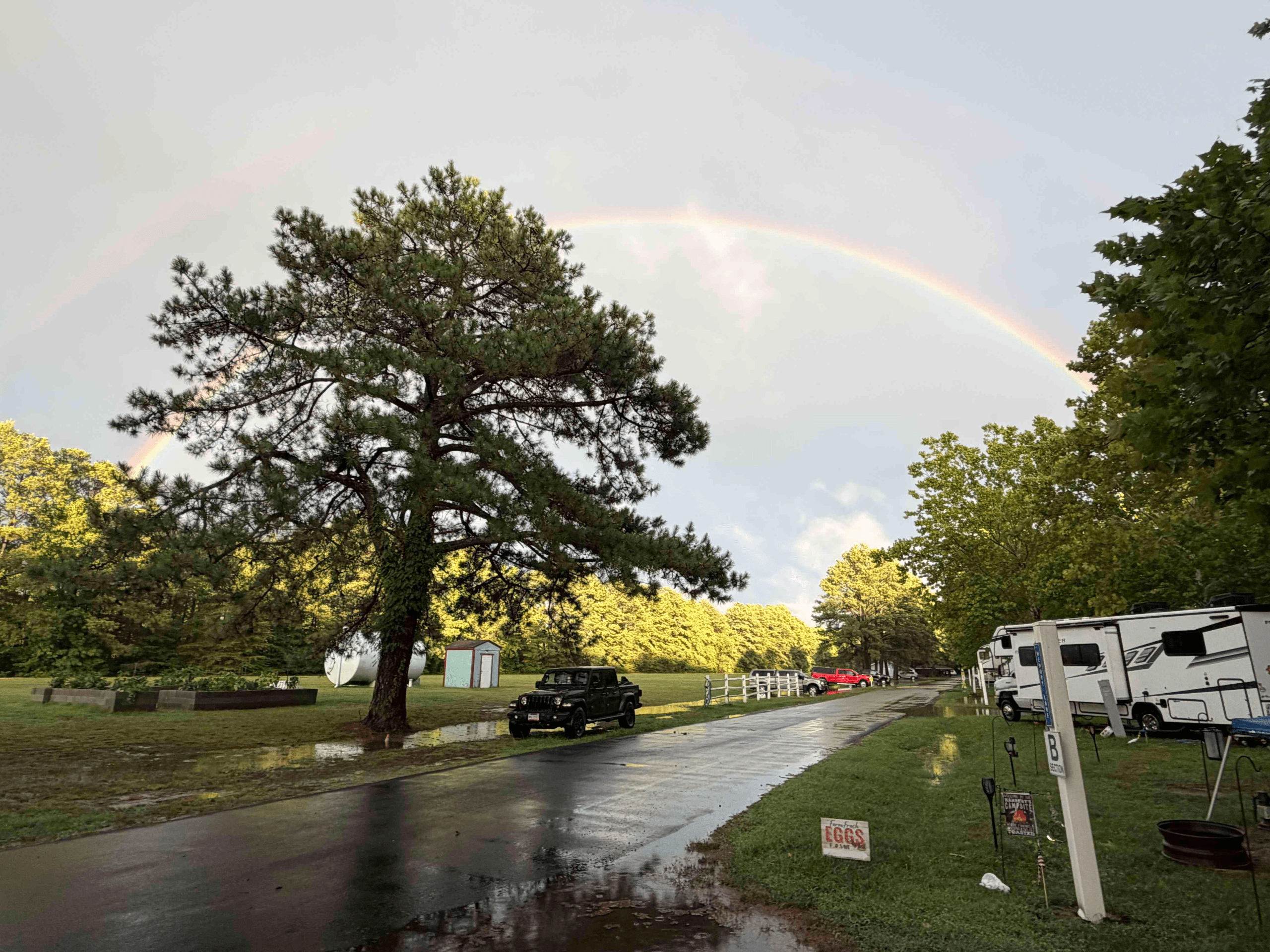
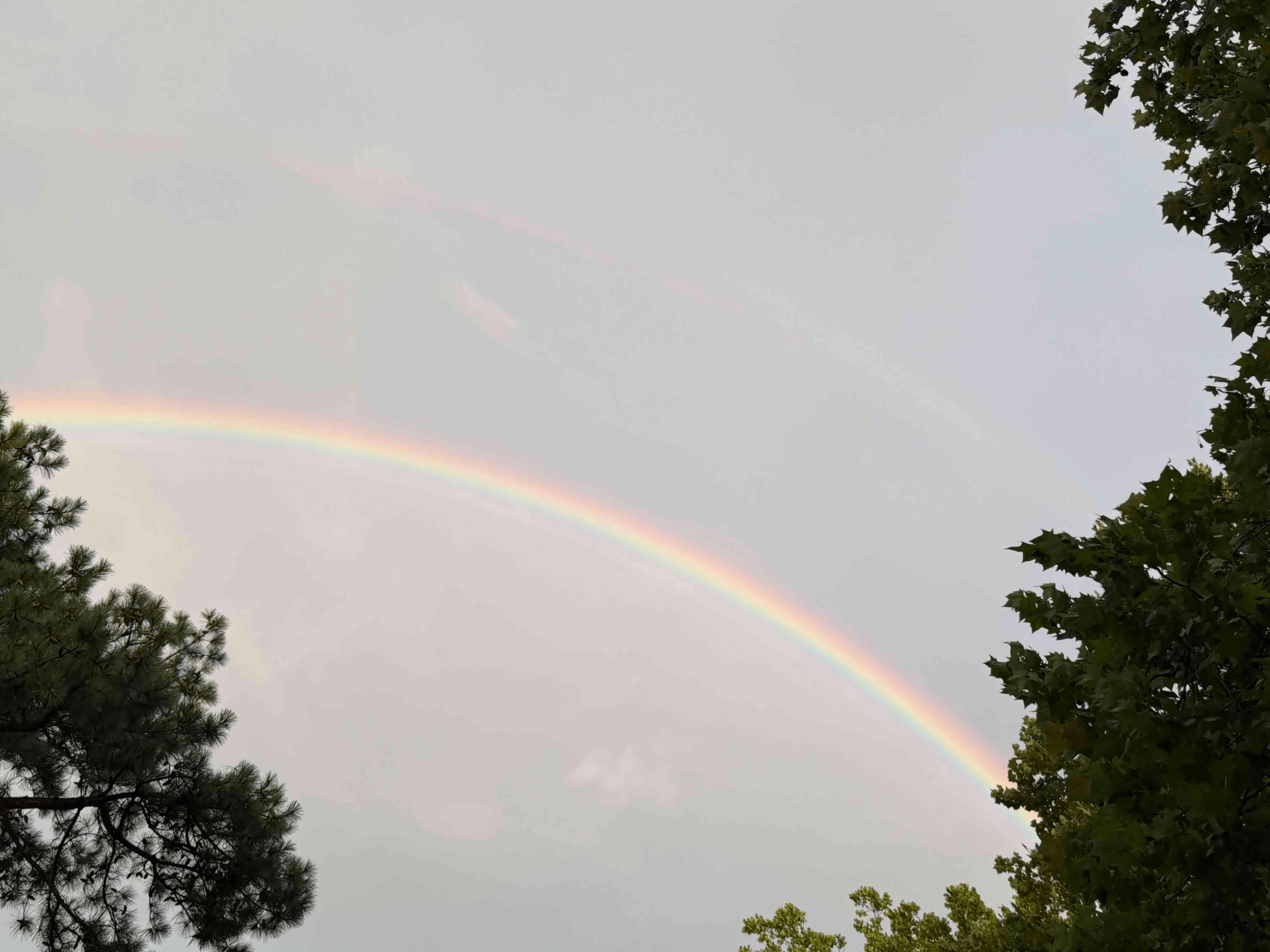
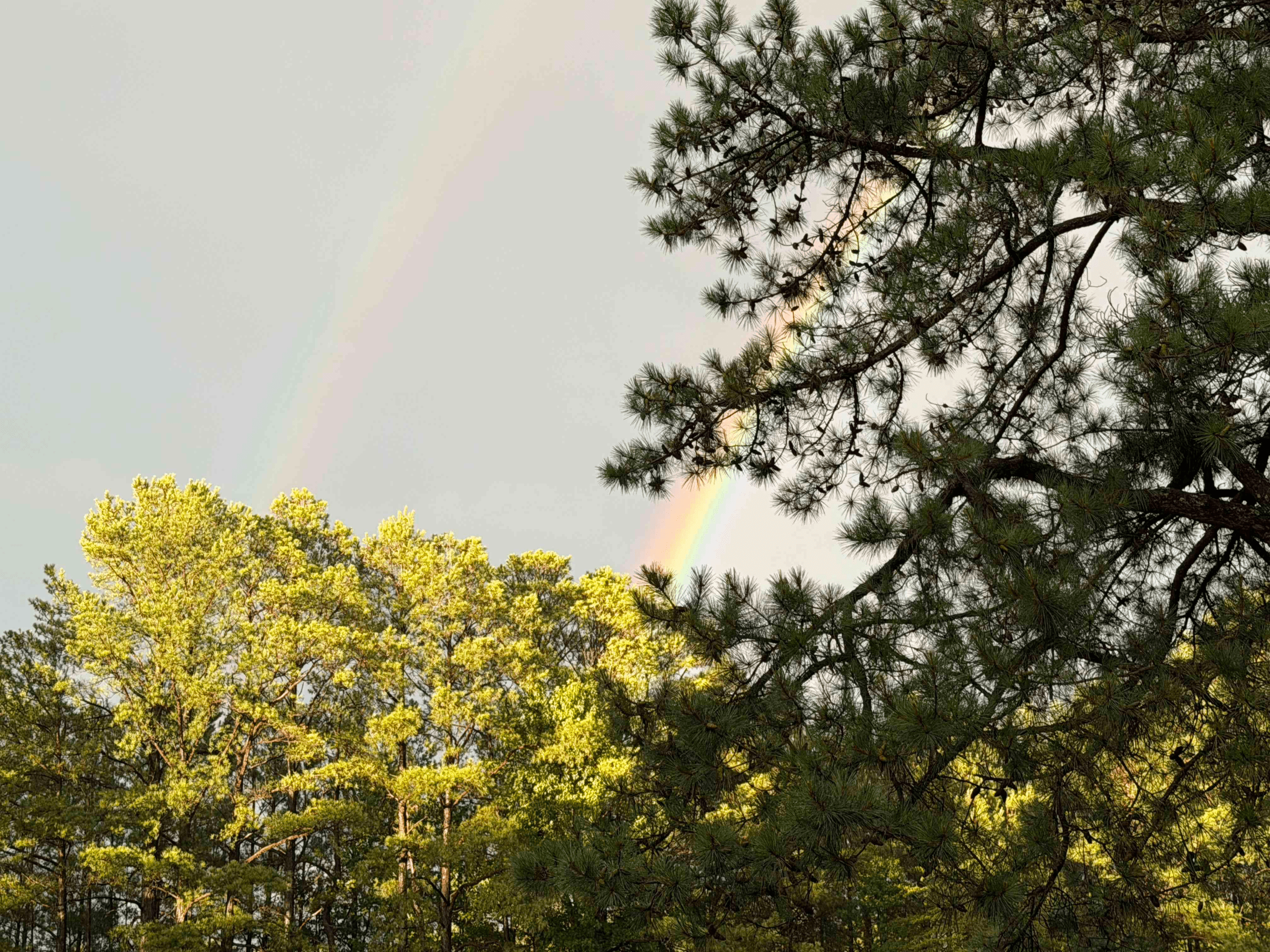
It ended up being the perfect last stop for our stay in Colonial Beach, Virginia. Back at camp the area got some much needed rain that was completed with a reminder that is all to familiar.
This stretch of the trip was a good reminder that full-time RV life has a rhythm of its own. Some days are work days. Some days are museum days. Some days are filled with history, heat, errands, and plans that shift a little along the way. We may not always see everything in one visit, and sometimes the weather, the crowds, or the clock makes the decisions for us, but that is part of the adventure.
From Mount Vernon on the Fourth of July to George Washington’s Birthplace, from work days at camp to a return visit to the Museum of the Bible, and finally to the Great American State Fair, this part of our stay gave us another full chapter of memories from the road.
For now, we are thankful for a cool camper, safe travels, meaningful places to visit, and another week of history, faith, and adventure.